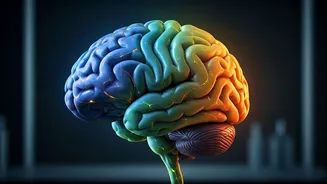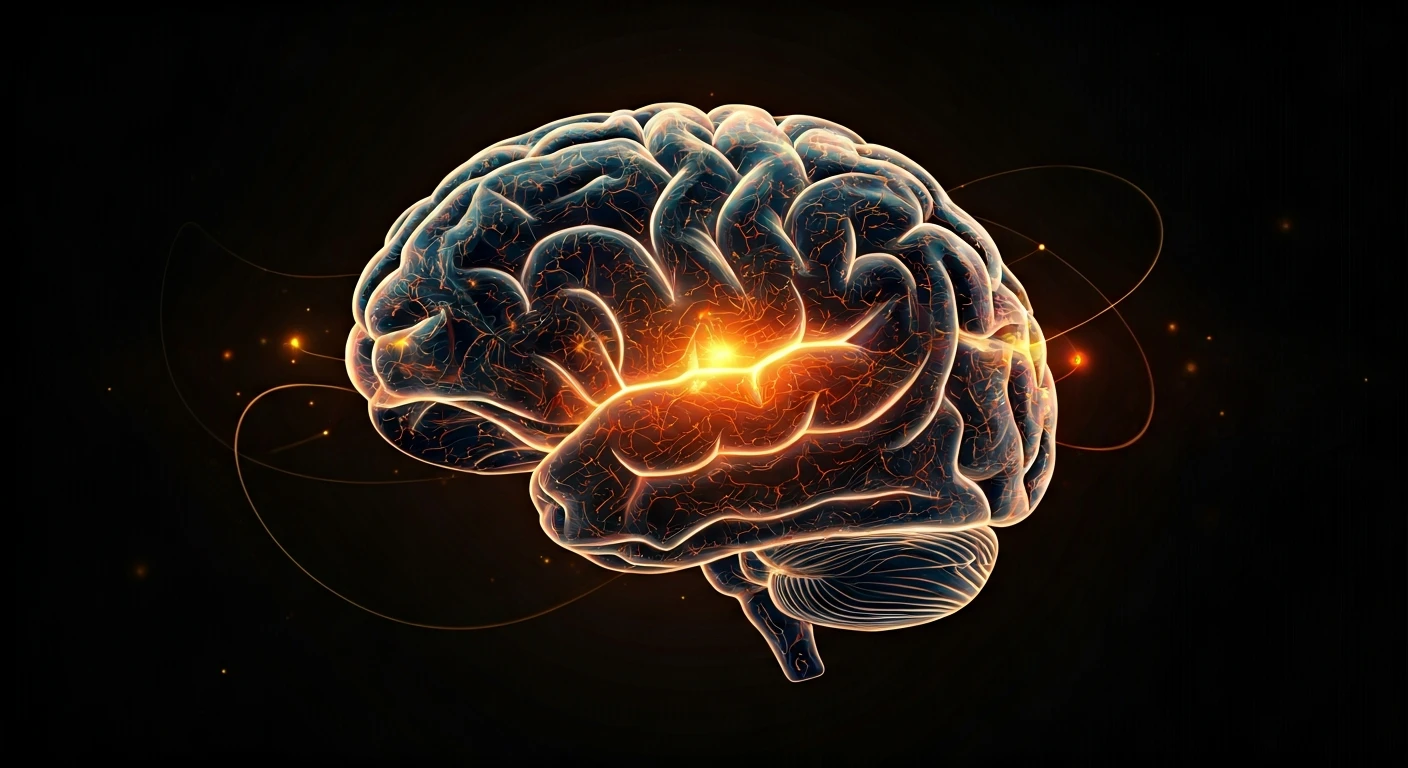

An anxious brain often feels like it’s stuck in overdrive, constantly scanning for threats, overthinking situations, and triggering physical symptoms like a racing heart or restlessness. According to neurologists,
anxiety is not just “in the mind” but deeply rooted in how the brain’s fear and stress circuits function, particularly involving areas like the amygdala and prefrontal cortex.
Anxiety is the feeling of worry, fear, or uneasiness about something that might happen in the future. It can be mild and normal, like nervousness before an exam, or become intense and persistent, interfering with daily life. It often comes with physical symptoms such as a fast heartbeat, trembling, sweating, or trouble concentrating and can be a sign of an anxiety disorder if it doesn’t go away on its own.
We speak to Dr Lomesh Bhirud, Neurologist and Neuro-Interventionalist at Ruby Hall Clinic, to understand what steps can be taken and how the brain’s responses can be regulated.
One of the most effective ways to calm an anxious brain is through controlled breathing. Slow, deep breathing, especially techniques like the 4-7-8 method, can signal the nervous system to shift from a stress response to a state of relaxation. This directly reduces the body’s fight-or-flight reaction.
Another powerful tool is grounding. Simple practices like focusing on your senses, what you can see, hear, or touch, help bring the brain back to the present moment, reducing spiraling thoughts. Regular physical activity also plays a key role. Exercise releases endorphins and helps regulate stress hormones, making the brain more resilient to anxiety triggers.
Sleep is often underestimated but critical. Poor sleep can heighten anxiety by disrupting emotional regulation. Maintaining a consistent sleep schedule and limiting screen exposure before bedtime can significantly improve brain function.
Neurologists also emphasise limiting stimulants like caffeine, which can amplify anxious feelings, and encouraging structured routines that provide a sense of control. For persistent anxiety, therapies such as cognitive behavioural therapy (CBT) or, in some cases, medication may be recommended.
Ultimately, calming an anxious brain is about consistency. Small, daily habits like mindful breathing, movement, rest, and reduced screen time can gradually retrain the brain to respond more calmly, helping individuals regain a sense of balance and control.