




Tea and coffee are among the most commonly consumed beverages worldwide, especially among older women. Emerging research now suggests that what fills the cup may quietly influence bone health in later
years, raising questions about the long-term effects of lifelong drinking habits.
Osteoporosis, a condition that silently weakens bones over the years, affects millions of women worldwide, particularly after menopause. A subtle decline in bone density can make everyday activities risky, with even minor falls potentially resulting in fractures.
Recent research suggests that choices as seemingly trivial as tea versus coffee may play a role in skeletal health. By analysing decades of data from thousands of older women, scientists and researchers have begun to explore patterns that indicate what is in one’s cup could have measurable implications for bone density and long-term wellness.
The Rising Concern Of Osteoporosis In Older Women
Osteoporosis, a condition marked by low bone mineral density (BMD) , represents a major public health challenge globally. Roughly 1 in 3 women over the age of 50 experiences fractures due to osteoporosis worldwide. This number reflects both the prevalence of the disease and its silent progression over the years.
The disease arises when bone breakdown outpaces new bone formation, leaving bones brittle, weak and prone to fractures. Among the most common fractures are hip fractures that carry a high risk of morbidity and long-term disability. In the United States, the prevalence of low BMD is projected to increase significantly by 2030, putting an even greater portion of the ageing population at risk.
Women, owing to smaller peak bone mass and the hormonal changes that accompany menopause, are particularly vulnerable. With oestrogen levels declining after menopause, the body loses a crucial support mechanism for bone metabolism, accelerating the deterioration of bone structure.
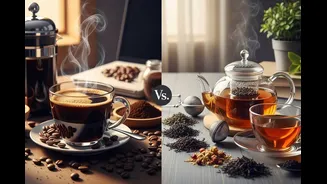
Which Beverage Is Beneficial: Tea or Coffee?
Lifestyle factors such as exercise, diet and daily beverage choices may play a pivotal role in mitigating risk. Coffee and tea, among the most widely consumed beverages worldwide, contain compounds that can interact with bone metabolism.
Caffeine, for instance, has been studied extensively for its potential to influence calcium absorption, while other bioactive compounds in tea, like catechins, may offer protective benefits.
Understanding these mechanisms might be crucial as older women seek accessible ways to maintain bone health alongside medical interventions like calcium and vitamin D supplementation.
What Studies Say
A recent longitudinal study published by Nutrients in November 2025, titled “Longitudinal Association of Coffee and Tea Consumption with Bone Mineral Density in Older Women: A 10-Year Repeated-Measures Analysis in the Study of Osteoporotic Fractures”, examined the relationship between beverage consumption and BMD in postmenopausal women.
The research conducted by researchers at Flinders University in Australia drew data from the Study of Osteoporotic Fractures (SOF), a prospective cohort of 9704 women aged 65 and older. Participants self-reported their tea and coffee drinking habits across four different surveys over a decade.
The findings revealed a subtle but significant pattern: women who regularly drank tea had slightly higher hip BMD than those who did not, while women consuming more than five cups of coffee per day were more likely to exhibit lower bone density.
Interestingly, tea turned out to be more beneficial for women with obesity, while coffee appeared to have negative effects in individuals with a history of high alcohol intake. The researchers emphasised that these results were largely driven by white women and may not apply to the diverse population.
Broader Implications For Bone Health
The study reinforces the idea that bone health is influenced not only by genetics, age and hormonal status, but also by diet and lifestyle. Calcium and Vitamin D remain foundational to osteoporosis prevention, yet emerging research indicates that habitual components, such as tea or coffee, may provide additional benefits or risks.
For older women, particularly over 60, choosing tea over high quantities of coffee could be a small but effective strategy to maintain bone strength. Simple lifestyle changes related to coffee intake could be incorporated into broader osteoporosis prevention strategies. Health professionals might consider discussing beverage habits alongside exercise and nutrition.
Takeaways For Older Women
The study offers practical insights, basically on women over 60:
Moderate Tea Consumption: Regular tea drinking may support hip BMD, especially in women with higher BMI or those seeking additional dietary strategies to maintain bone health.
Limiting Excessive Coffee: While moderate coffee intake is generally safe, consuming more than five cups daily may pose risks for bone density, particularly when combined with alcohol use.
Holistic Approach: Tea and coffee habits should be considered as part of a comprehensive bone health plan, including adequate calcium and vitamin D intake, regular weight-bearing exercise, and fall prevention strategies.
Personalised Decisions: Since most evidence comes from White women, it is important for women of other ethnicities to discuss personalised strategies with healthcare providers.
For postmenopausal women, osteoporosis represents a silent but significant threat to long-term mobility and quality of life. According to the study by Flinders University, “Our results don’t mean you need to give up coffee or start drinking tea by the gallon,” says Flinders epidemiologist Enwu Liu.
But they do suggest that moderate tea consumption could be one simple way to support bone health, and that very high coffee intake might not be ideal, especially for women who drink alcohol. According to the study, tea consumption was associated with slightly higher hip bone mineral density, while excessive coffee intake appeared to negatively affect BMD, particularly in women with higher alcohol intake.
As the population ages and osteoporosis prevalence rises, these insights provide accessible, low-risk strategies that women can incorporate into daily life, helping to preserve bone health and reduce fracture risk.