









Global crude oil prices have returned to levels seen before the Iran war, while petrol and diesel prices in India remain unchanged.
Brent crude, the international benchmark, dropped to around $72-73 a barrel
on Thursday, while US crude fell below $70. The decline erased the geopolitical premium that had pushed oil prices as high as $120 a barrel during the conflict.
The Indian basket of crude oil, which reflects the average cost of crude bought by Indian refiners, stood at $70.71 a barrel on June 24, according to data from the Petroleum Planning and Analysis Cell. That was slightly below the $71.17 recorded on February 27, a day before the US and Israel attacked Iran.
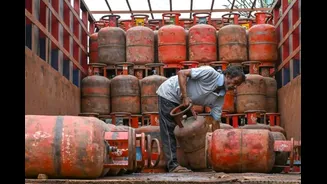
Petrol and diesel prices, meanwhile, remained unchanged. State-owned fuel retailers had increased the prices of both fuels by about Rs 7.50 a litre during the rise in international oil rates, and the revised rates continue to remain in place.
The apparent mismatch is not unprecedented. Historical data show that petrol and diesel prices in India do not move in direct proportion to daily changes in crude oil. The final retail price is influenced not only by crude costs, but also by past losses, taxes, company margins and government intervention.
Why Has Crude Oil Fallen So Sharply?
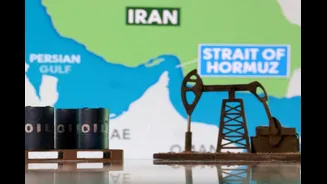
Crude prices began falling after the United States and Iran signed a MoU extending the ceasefire and halting hostilities while the two sides negotiate a final agreement. The deal also paved the way for the reopening of the Strait of Hormuz and the gradual restoration of oil shipments from the Gulf, easing concerns over supply disruptions.
Hormuz, through which roughly one-fifth of global oil supplies pass, had faced severe disruption during the hostilities. Tanker traffic has since begun returning to normal. US officials said at least 20 million barrels passed through the waterway over a 24-hour period, with flows nearing pre-war levels.
As Gulf exports recovered and concerns over shortages eased, the geopolitical risk premium built into crude prices began to disappear. Brent has fallen more than 20 per cent this month and is around 30 per cent below the peaks reached during the conflict.
The easing of concerns over immediate energy supplies has also been reflected in the government’s response. According to PTI, inter-ministerial briefings introduced after the outbreak of the conflict were initially held daily and later reduced to twice a week. No briefings were held on the scheduled days this week, indicating that the government’s assessment of risks to energy supplies and trade flows has eased.
Why Petrol And Diesel Prices Remain Unchanged
The first reason is that fuel retailers do not generally revise prices on the basis of a single day’s movement in crude oil.
Industry officials cited by PTI said petrol and diesel prices are usually guided by average international rates over the preceding fortnight or month. The latest price may have returned to its pre-conflict level, but the average price paid by refiners during June remains substantially higher.
The Indian crude basket averaged $86.31 a barrel in June, compared with $72.47 in February. This is because oil remained expensive for much of the month before declining sharply.
Fuel retailers may, therefore, wait to see whether crude remains at lower levels for a sustained period. A few days of cheaper oil may not be enough to trigger a cut if the companies are still dealing with the effect of higher average costs.
Oil Companies Did Not Pass On The Full Increase Earlier
State-owned oil marketing companies had also absorbed part of the earlier rise in crude prices instead of immediately passing the entire burden to consumers.
According to industry officials cited by PTI, the three public-sector fuel retailers kept petrol and diesel prices unchanged for nearly two-and-a-half months despite rising international oil prices. The subsequent increase of about Rs 7.50 a litre represented only a partial adjustment to the rise in international prices.
Officials said the companies are now earning healthy marketing margins on petrol. Diesel, however, continues to generate a modest loss.
The benefit from cheaper crude could, therefore, initially be used to improve company margins and compensate for losses incurred when fuel was sold without fully reflecting the rise in international prices.
This mechanism works both ways. Consumers are partly protected when crude prices surge because the full increase is not always imposed immediately. But when crude falls, relief can also be delayed while retailers recover previous losses.
Why Crude And Petrol Prices Do Not Move Together
The limited response of retail fuel prices to global crude movements is visible across previous oil cycles.
International crude rose above $130 a barrel in 2008 and fell close to $20 during the Covid-19 shock in April 2020. Even when crude collapsed during the pandemic, petrol remained around Rs 70 a litre and subsequently became more expensive, according to NDTV.
Since 2022, petrol prices in Delhi have largely remained within a relatively narrow band despite substantial fluctuations in crude.
The latest period shows a similar pattern. Between March and June 2026, the Indian crude basket rose above $113 a barrel before retreating, while petrol in Delhi increased from Rs 94.77 a litre to Rs 102.12.
What Role Do Taxes Play?
Crude oil is only one component of the final price paid by consumers. Petrol and diesel rates also include refining and transportation costs, dealer commissions, central excise duty and state-level taxes.
Because taxes account for a substantial share of the pump price, even a large percentage change in crude does not result in an equivalent change in the retail rate.
Government intervention also limits sharp fluctuations. When crude prices rise, the Centre or states may reduce taxes, while oil companies may absorb part of the increase. This cushions consumers against a sudden surge.
The Centre had announced a reduction of Rs 10 a litre in excise duty on both petrol and diesel by the end of March. According to NDTV, crude may need to remain cheaper for longer for the government to offset the revenue forgone through the duty reduction before further benefits are passed on to consumers.
Why Diesel Could Hold Back A Price Cut
The continued loss on diesel is another constraint.
Diesel is extensively used in freight transport, agriculture and industry. Cutting its price while oil companies are still making a loss on every litre would increase pressure on their finances.
Although petrol margins are currently healthier, fuel retailers have generally avoided frequent or sharply divergent revisions in petrol and diesel prices. A broader reduction may, therefore, depend on diesel margins also turning positive.
Any decision will also take into account whether the easing of tensions in the Middle East is durable. While traffic through the Strait of Hormuz has normalised, geopolitical risks in the region have not disappeared entirely.
Why Cheaper Oil Matters To India
India imports more than 88 per cent of its crude oil requirements. A sustained fall in crude prices, therefore, offers significant economic benefits even if pump prices do not decline immediately.
A lower oil bill reduces the demand for dollars, supports the rupee and can help narrow the current account deficit. It also lowers the risk of imported inflation.
Cheaper fuel and petroleum derivatives can reduce costs for aviation, logistics, paints, chemicals, manufacturing and consumer-goods companies. Lower transportation and production expenses can eventually ease retail inflation and support household spending.
Softer energy prices could also strengthen the case for the Reserve Bank of India to maintain an accommodative monetary policy stance if inflation remains contained.