



Iran has indicated that it is ready to reopen the strategically important Strait of Hormuz within two days, provided the United States agrees to a list of demands put forward by Tehran, as diplomatic efforts
to prevent a renewed escalation of the eight-month-old conflict showed signs of progress on Monday.
The fresh diplomatic signals came after US President Donald Trump said a settlement with Iran was possible, while Tehran confirmed that intensive indirect negotiations with Washington were underway through mediators, including Qatar and Pakistan.
A senior Iranian official said Tehran was prepared to reopen the crucial energy shipping route within two days if Washington accepted its conditions.
Iranian Foreign Ministry spokesperson Esmaeil Baqaei described the possibility of implementing the proposal within the timeframe as evidence of Iran’s willingness to pursue a diplomatic solution.
“The possibility of implementing this plan in two days is another indication of Iran’s good-faith approach,” Baqaei told reporters at a briefing.
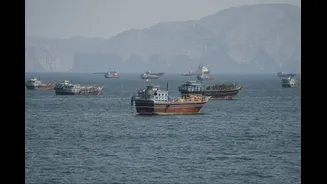
The Strait of Hormuz is a key export conduit for energy supplies from the Gulf. Its reopening could have significant implications for international energy markets, which have been affected by the ongoing conflict and restrictions on shipping through the waterway.
Iran’s Conditions For Reopening Strait Of Hormuz
Iran’s proposal is understood to be based on a seven-day plan it had put forward in September. The demands include an end to the war on all fronts, the unfreezing of Iranian assets, the lifting of oil sanctions and an end to Washington’s counter-blockade of Iranian ports.
In an interview with Al Jazeera released on Sunday, Iranian Foreign Minister Abbas Araghchi said the United States would also have to accept a new route agreed upon between Iran and Oman for vessels transiting the Strait of Hormuz.
Araghchi further said Washington must remove recently imposed sanctions and reduce the number of American troops stationed in the region.
The conditions indicate that reopening the waterway is being linked to broader political and security arrangements rather than being treated as an isolated shipping issue.
Trump Says Iran Wants Settlement, Vance Reports Progress
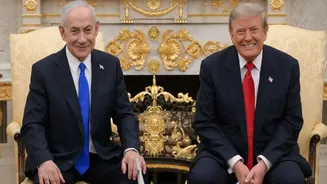
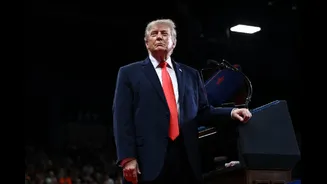
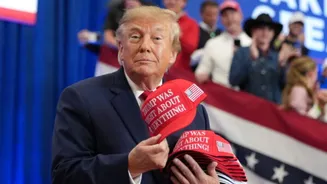
Trump on Monday signalled that negotiations with Tehran could produce an agreement, saying a settlement was within reach.
“A deal with Tehran ‘could happen’,” Trump wrote on his Truth Social platform, adding, “Iran wants a settlement, as soon as possible.”
US Vice President JD Vance also expressed optimism about the diplomatic engagement, saying Washington had made progress in discussions.
“We’ve certainly made some progress. We’ll see if we can make some more,” Vance told reporters on Monday.
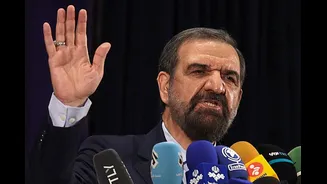
Earlier, Axios reported that Vance had sent a letter to Iranian national security chief Mohsen Rezaei regarding the possibility of fresh negotiations. The reported communication marked the highest-level diplomatic move between the two sides in months.
Iranian First Vice President Mohammad Reza Aref described the messages received from Washington as “an acknowledgement of our victory”.
Qatar, Pakistan Mediate As China Calls For Diplomacy
Iranian Foreign Minister Araghchi confirmed that indirect negotiations with Washington were taking place through mediators.
“Given the sensitivity and gravity of the current situation, consultations and deliberations are very intensive,” Araghchi told Iranian state media.
He said Qatar and Pakistan were playing an active role in facilitating the negotiations.
China has also called for a diplomatic resolution. Chinese President Xi Jinping discussed the conflict with Oman’s Sultan Haitham bin Tariq in Beijing on Monday.
According to an Omani statement, both sides called for resolving disputes through political and diplomatic channels and urged Washington and Tehran to pursue a peaceful path, achieve a ceasefire and prevent a wider war.
China also held meetings with Iranian and Saudi officials in Beijing. Chinese Foreign Minister Wang Yi told Ali Bagheri, deputy secretary of Iran’s Supreme National Security Council, that Beijing supported Tehran in safeguarding its sovereignty and security.
Bagheri, meanwhile, reiterated Iran’s position on the conflict, saying Tehran would make no compromises on its national security, sovereignty and territorial integrity, Iranian state television reported.
Oil Prices Fall Amid Hopes Of Diplomatic Breakthrough
The diplomatic developments triggered optimism in energy markets, with oil prices falling more than 7 per cent on Monday amid expectations that the conflict could move towards a resolution.
The possibility of reopening the Strait of Hormuz has become a significant factor in the negotiations, given the waterway’s importance to Gulf energy exports.
However, the diplomatic signals were accompanied by reports of fresh military action. The Wall Street Journal reported that the United States had attacked Iran in what it described as the latest in a series of limited strikes secretly carried out against the Islamic Republic in recent weeks.
Iranian state media also reported five explosions in rapid succession on Qeshm island in the Strait of Hormuz. The US Central Command did not immediately respond to an AFP request for comment.
Trump Keeps Military Pressure On Iran
Despite expressing optimism about a possible agreement, Trump has continued to issue warnings to Tehran.
On Sunday, he said the United States might have to give Iran “the hammer” at an unspecified time.
A day earlier, he said he still had to “take care” of one or two targets, including Pickaxe Mountain in central Iran, which is suspected by Washington of being a nuclear site. Tehran denies that the location is a nuclear facility.
Iran, meanwhile, warned that any further military action would invite retaliation.
Baqaei cautioned that any act of aggression against the country “will be met with a powerful, immediate and comprehensive response.”