




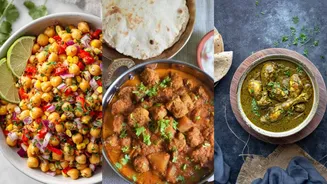
Across social media, strict diet plans come and go. Cut rice. Skip carbs. Avoid traditional food. The message repeats often. But some coaches are now arguing the opposite. Regional Indian meals don’t need
to disappear for weight loss to happen—they need structure.
One example comes from Tamil Nadu, where fitness coach Kagivan Prabaharan documented his own transformation. He says he lost 22 kg (around 50 pounds) not by abandoning familiar meals, but by changing how he built his plate.
He summed up the approach in a line that drew attention online. He didn’t stop eating Tamil foods; he stopped eating them in a way that kept him overweight. The food stayed, but the system changed.
Rice Stays On The plate, But Balance Becomes The Focus
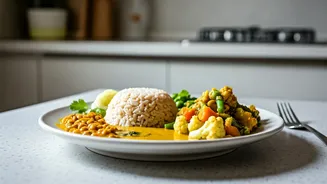
Rice remained part of his meals. What changed was quantity. Prabaharan noted that carbohydrates support training and recovery, but large servings were the issue. Instead of removing rice completely, he reduced the amount and balanced the plate differently. The goal was calorie control without cutting out staple foods.
View this post on Instagram
Protein Intake Is The Foundation Of The Meal Plan
He also addressed what he saw as a gap in many traditional meals – protein levels.
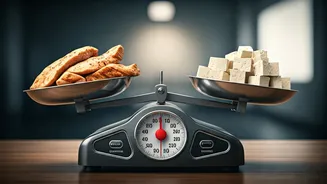
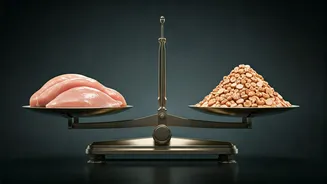
According to his explanation, he began adding protein to every meal rather than treating it as occasional. Foods like chicken, fish, Greek yoghurt and tofu became regular additions. The rest of the meal could stay regional, but protein was no longer optional.
Vegetable Swaps Improve Nutrient Density Without Food Bans
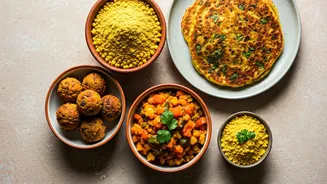
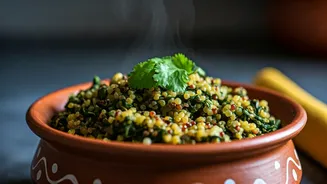
Some recipe changes followed. Lentil-heavy combinations and certain starchy vegetables were reduced, not eliminated. In their place, he increased greens such as spinach (keerai) and vegetables like beetroot.
The shift was about nutrient density, not removing cultural dishes altogether.
Why This Meal Plan Works For Weight Loss
His message was direct: weight loss does not require abandoning traditional food. It requires portion awareness, protein balance, and ingredient choices that support overall nutrition.
The approach reflects a wider discussion among nutrition experts who say many Indian meals already contain a strong base – grains, lentils, vegetables – but may need adjustment in ratios. In this case, the method was simple. Same cuisine, just a different structure.