







Goa’s post-holiday surge hasn’t tapered off. Instead, it has flowed seamlessly into the early months of 2026, signalling a broader shift in how travellers are choosing to experience India’s most dependable
leisure destination. What was once a sharply seasonal market clustered around Christmas and New Year is now showing signs of a more evenly distributed, experience-led demand curve.
According to Vaibhav Gupta, General Manager, The Astor Goa, this shift was visible on the books well before the year began. “Goa’s travel momentum from the year-end has clearly carried into 2026,” he notes. “We saw exceptionally strong advance bookings, with the hotel selling out nearly three weeks ahead of time.” A large share of this demand, he adds, continues to be driven by reliable drive-in markets like Maharashtra and Karnataka, alongside domestic travellers from North India and a steady flow of visitors from Europe and Russia.
What stands out is not just the volume, but the timing. Occupancies across the state have remained well above typical January averages, suggesting growing traveller confidence and a preference for destinations that combine familiarity with consistently high hospitality standards. “This demand is no longer concentrated around peak festive dates,” Gupta explains. “It’s spreading more evenly across the calendar, which is encouraging for hotels looking to move beyond seasonality.”
That evolution is echoed by Bhuvnesh Sharma, co-founder, Sandytoes, who points to structural enablers behind the momentum. Improved air connectivity, a stronger events and wedding calendar, and renewed international interest are contributing to longer stays and healthier occupancies. “Importantly, the focus is shifting from pure volume to quality-led growth,” he says, observing that premium hotels, boutique stays, and curated experiences are seeing the most traction. Infrastructure upgrades and policy support, he adds, are reinforcing Goa’s positioning as a year-round destination rather than a seasonal hotspot.
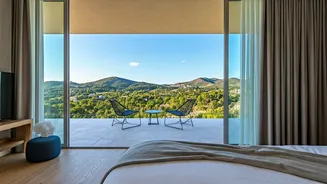
Luxury, too, is being redefined in this new cycle. For Ankit Kejriwal, founder, Reve Escapes, the demand story is increasingly about privacy, space, and time well spent. “Guests are choosing Goa for slower, wellness-led stays,” he explains. “There’s rising interest in private villas that combine the comfort of a home with hotel-grade service, dedicated butlers, personalised attention, and room to truly unwind.” He notes a visible move away from the party narrative toward spa therapies, healing programmes, and meaningful downtime with family and friends.
A similar preference for immersive, nature-first stays is visible at the experiential end of the spectrum. Karan Bhangay, founder and CEO, Indulge Global, highlights growing interest in glamping, open-air social spaces, and activity-led properties. “Travellers want more than beaches and nightlife,” he says. “They’re looking for unique stays set in natural surroundings, where they can disconnect without compromising on comfort.” From pickleball courts to curated celebrations and local experiences, these formats allow guests to blend leisure, wellness, and play in one itinerary.
Taken together, these perspectives point to a clear narrative: Goa in 2026 is less about peak dates and more about purposeful travel. Shorter, experience-focused getaways, wellness-oriented itineraries, boutique hospitality, and nature-led stays are collectively reshaping demand patterns.
For the state’s hospitality ecosystem, this is a pivotal moment. As Gupta observes, evolving traveller preferences and better connectivity present an opportunity to deliver consistent, experience-led offerings across the year. And as Sharma, Kejriwal, and Bhangay collectively indicate, the traveller arriving in Goa today is seeking depth over distraction.
Goa’s enduring appeal remains intact but the way people are choosing to experience it is quietly, decisively changing.