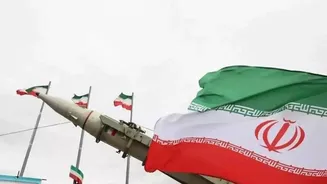







Iran on Monday issued a fresh warning to the United States, saying American energy interests in the Gulf could be exposed to retaliation if Washington carries out further attacks on Iranian assets.
Iranian
Parliament Speaker Mohammad Baqer Qalibaf issued the warning on Monday as tensions between Tehran and Washington remained high following another exchange of attacks over the weekend. The latest developments also pushed oil prices to their highest level in nearly six weeks.
“Strike our assets and you get struck,” Iranian Parliament Speaker Mohammad Baqer Qalibaf said.
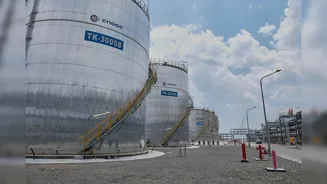
Qalibaf said Iran’s response would extend beyond the immediate targets of any future US strikes. He warned that American oil and gas companies operating across the Gulf could also face the consequences because their facilities and wider energy infrastructure remain vulnerable.
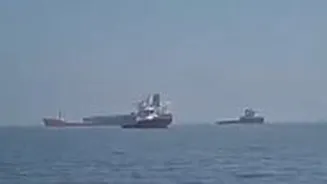
The warning comes amid growing disruption around the Strait of Hormuz, one of the world’s most important energy routes. Iran has imposed tighter controls on shipping through the waterway since the conflict began with US and Israeli strikes on February 28.
“It’s simple: the oil and gas production chain here is sprawling, accessible, and exposed. American oil and gas companies across these waters and facilities share that exposure,” Qalibaf wrote on X.
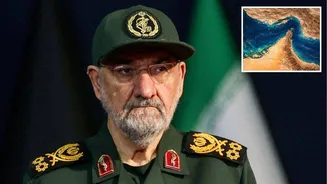
Iranian security official Mohsen Rezaei said Tehran was preparing to announce a new restricted area in the Gulf along with a separate route for ships passing through the strait. He said the proposed zone would stretch from the area where a US naval blockade begins into parts of the Gulf.
Rezaei said vessels entering the restricted area would be placed on an Iranian sanctions list. He also said Tehran would not guarantee unrestricted passage through the Strait of Hormuz unless the US ended what Iran describes as attacks, threats and sabotage.
US-Iran Conflict Puts Hormuz Under Pressure
The latest confrontation has come after a period of relative calm during much of August. Fighting intensified again after an interim ceasefire reached in June broke down, while diplomatic efforts have failed to produce a lasting agreement.
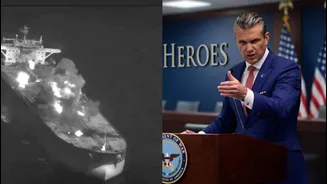
US forces struck three Iranian oil tankers on Saturday, including one near Kharg Island, Iran’s main oil export centre, according to US Central Command. The strikes came after attacks by Iran’s Revolutionary Guards on US warships in the region.
The impact on shipping has already become visible. An average of only 10 commodity vessels a day crossed the Strait of Hormuz over the 10 days leading up to Monday, according to shipping data. That was the lowest daily average since May.
The strait carried around a fifth of the world’s oil and liquefied natural gas shipments before the conflict, making any prolonged disruption a concern for global energy markets.
Israel-Lebanon Strikes Add To Tensions
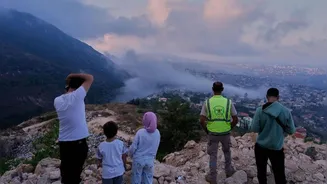
The wider regional situation was also aggravated by Israeli strikes in southern Lebanon on Monday. Lebanon’s health ministry said at least 12 people were killed, making it one of the deadliest days of bombardment in the area in recent weeks.
The strikes have raised fears that Israel could resume a broader military campaign despite the June ceasefire with Iran-backed Hezbollah. Tehran has insisted that any long-term agreement with Washington must also address Israeli military action in Lebanon.
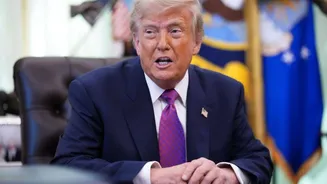
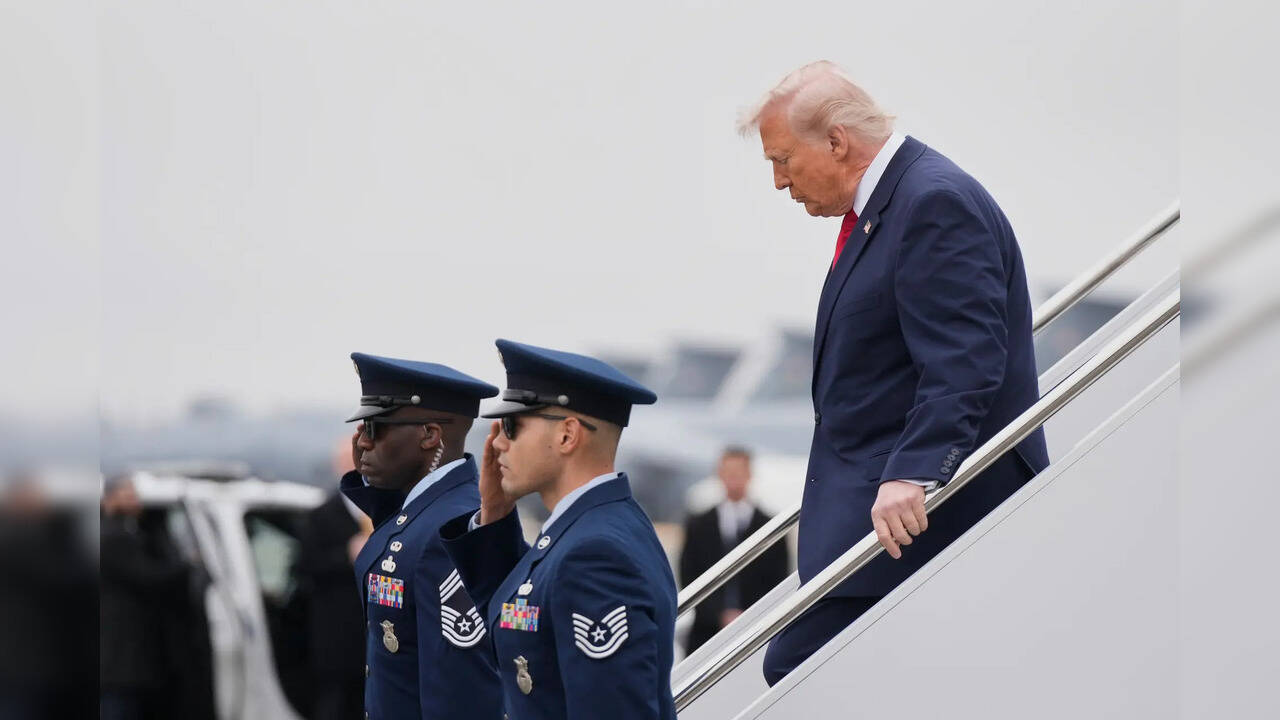
US President Donald Trump has also yet to secure the objectives announced when “Operation Epic Fury” began in February. Those goals included ending Iran’s nuclear programme, preventing it from attacking neighbouring countries and creating conditions for its leadership to be overthrown.
Iran’s clerical leadership remains in power. Tehran is seeking sanctions relief and wants to eventually generate revenue from ships using the Strait of Hormuz.
Sanctions Add To Iran’s Economic Strain
The military confrontation has been accompanied by mounting economic difficulties inside Iran. US sanctions have placed further pressure on the country’s oil exports and efforts to bypass those restrictions.
Three senior Iranian sources told Reuters that Washington’s campaign to restrict Iranian oil exports and clamp down on sanctions evasion was becoming increasingly difficult for Tehran to withstand.
Qalibaf acknowledged that the pressure was no longer limited to the battlefield. He pointed to inflation, unemployment, currency instability and wider problems in the domestic market as challenges facing Iran.
The conflict has also affected Gulf economies. The United Arab Emirates has faced Iranian missile attacks and incidents involving its oil tankers in the Strait of Hormuz.
UAE presidential adviser Anwar Gargash said the country was working on alternative routes for energy exports and trade. The aim, he said, was to prevent the conflict from leaving the country’s economy and energy trade “held hostage”.
The disruption has also pushed up fuel prices in the United States, adding to economic pressure and creating another challenge for Trump ahead of the November midterm elections, which will decide control of Congress.
(With inputs from Reuters)