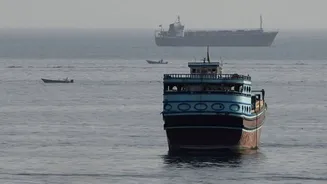







Iran on Wednesday rejected United States President Donald Trump’s claim that the Strait of Hormuz could reopen within days under a new agreement, asserting that negotiations with Oman are being conducted
without American participation and are instead focused on establishing a new maritime framework that safeguards Tehran’s sovereignty, according to Press TV.
Iranian officials said the discussions have made steady progress, with diplomatic sources indicating that an agreement could be reached as early as Wednesday.
What The US Claimed About Iran Deal
Iran’s response came after Trump and US Treasury Secretary Scott Bessent suggested that Washington was close to securing a deal to restore navigation through the strategic waterway.
“We are in talks with the Iranians, and I think there is a chance we may have a deal today or tomorrow to open the strait and move towards a more normalised position in this conflict,” Bessent said, while speaking to CNBC.
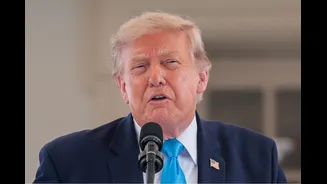
President Donald Trump also stated that negotiations with Iran were progressing and hinted that the waterway could reopen quickly.
Iran Dismisses US Timeline On Hormuz
However, according to Iran’s state-backed Press TV, an informed source dismissed the US timeline, saying the ongoing negotiations were exclusively between Tehran and Muscat and aimed at creating an “intermediate corridor” that would replace both the existing Iran-controlled northern route and the US-backed southern route.
Also Read: Hormuz Reopening Draft Ready As US-Iran Talks Reach ‘Final Stage’: Source | Exclusive
The proposed arrangement, the report said, would be designed to protect Iran’s sovereignty, national interests and security while establishing a new framework for maritime traffic through the Strait.
Rejecting Washington’s assertions, the source was quoted as saying, “Trump has violated his commitments, and Iran is moving forward with its plan to establish arrangements in the Strait independently of US threats, and it will succeed.”
The source further added, “Iran does not shape its interests and priorities based on schedule or demands of Trump.”
Earlier on Tuesday, Iran’s state-run IRNA news agency described the technical and political discussions with Oman as “constructive.”
“Technical and political discussions have so far been constructive. Iran is working with Oman to develop frameworks for future maritime traffic management in this strategic chokepoint, with final results to be publicised once finalised,” IRNA quoted Iranian officials as saying.
Iran, Oman Near Hormuz Deal?
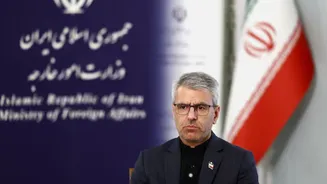
Separately, Al Jazeera, citing diplomatic sources in Tehran, reported that negotiations had made positive progress despite some unresolved issues. Iranian Foreign Minister Abbas Araghchi and Foreign Ministry spokesperson Esmaeil Baghaei also expressed optimism over the talks, while acknowledging that differences remain.
According to the report, diplomatic sources believe an agreement between Iran and Oman is now within reach and could potentially be concluded by the end of Wednesday, although they accused unnamed “disrupting actors” of attempting to derail the negotiations.
What Iran Stands To Gain
The emerging proposal would significantly expand Iran’s oversight of maritime traffic through the Strait of Hormuz.
Under the reported arrangement, Iran would exercise full sovereign authority over all inbound commercial shipping, while Oman would oversee outbound vessels only after notifying Iranian authorities, allowing Tehran to retain visibility over vessel movements and the ability to intervene when required.
Also Read: ‘Last Chance Before Decapitation’: Trump Claims Iran Talks Underway Despite Tehran Denial
Meanwhile, fresh reports indicated that Tehran has hardened its negotiating position by adding new demands to the proposed framework.
According to the Wall Street Journal, Iran is now seeking an immediate end to the US naval blockade, the lifting of sanctions on its oil, gas and petrochemical sectors, explicit recognition of its right to collect maritime transit fees from all ships using the Strait, and permanent guarantees ending attacks against Iran.
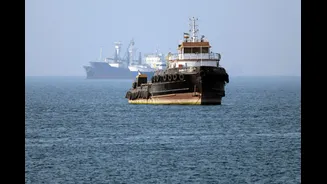
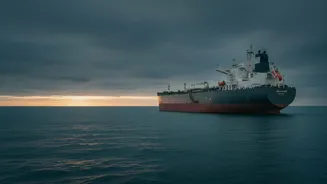
The Strait of Hormuz has emerged as the central flashpoint in efforts to ease the nearly six-month confrontation between Iran and the United States.
Before hostilities intensified, the narrow waterway carried nearly one-fifth of global oil shipments.
While Washington continues to push for unrestricted freedom of navigation, Tehran insists that any future arrangement must preserve its sovereign control and security interests, maintaining that the current negotiations remain exclusively between Iran and Oman rather than part of any direct US-Iran agreement.