




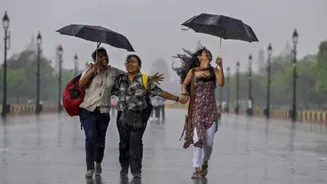



The monsoons have a way of slowing life down. We instinctively reach for a hot cup of chai, enjoy the sound of rain against the window, and welcome the much-needed respite from the summer heat. It is also
the season when we become more mindful of our health. Street food is often avoided, fruits and vegetables are washed more carefully, and conversations around seasonal infections become commonplace.
Yet, there is one everyday habit that rarely changes: we continue to drink water without giving it a second thought.
Ironically, the quality of our drinking water undergoes some of its most significant changes during the monsoon. Heavy rainfall, overflowing drains, surface runoff and ageing water infrastructure can increase the likelihood of microbial and chemical contaminants entering water sources before they reach our homes. The challenge is that these contaminants are often invisible. Water that looks perfectly clear may still harbour impurities that can affect our health.
Dr Anil Kumar, Chief Water Scientist, Eureka Forbes, shares are a few important facts every household should know this monsoon.
Clear Water Doesn’t Always Mean Safe Water
One of the biggest misconceptions is that clean-looking water is safe to drink. In reality, many harmful contaminants, including bacteria, viruses, heavy metals and pesticide residues, cannot be detected through sight, smell or taste. This is why appearance alone should never be used to judge water quality.
Monsoons Can Change Your Water Quality Overnight
Heavy rains don’t contaminate water by themselves, but they create conditions that allow contaminants to enter water sources. Floodwater, sewage overflow, agricultural runoff and leaking pipelines can all affect the quality of water supplied to households. Even if your source remains the same, the quality of water reaching your tap may not.
Boiling Water Has Its Limits
Boiling is an effective way to eliminate many disease-causing microorganisms. However, it does not remove dissolved contaminants such as lead, arsenic, pesticides or excess salts. Safe drinking water requires protection against both biological and chemical contaminants, particularly during the monsoon when water quality can fluctuate significantly.
The Filter Inside Your Purifier Deserves Equal Attention
Consumers often spend considerable time choosing a water purifier but pay far less attention to the replacement filter installed during servicing. This deserves greater scrutiny. Counterfeit or non-genuine replacement filters may resemble genuine ones, but they may not be designed or tested to deliver the same purification performance or longevity. Verifying that only genuine replacement filters are installed is an important part of maintaining your purifier’s effectiveness.
Safe Water Can Become Unsafe After Purification
Purifying water is only one part of the process. Improper storage in uncovered or unclean containers can reintroduce microorganisms, particularly during humid weather. Using clean, covered containers and maintaining good hygiene helps preserve the quality of purified drinking water.
Every Household Faces Different Water Challenges
Water quality is influenced by several factors, including the source of water, local infrastructure and seasonal conditions. Households using groundwater may face different challenges from those receiving municipal supply. Understanding your water source is the first step towards ensuring appropriate purification.
Prevention Is Better Than Cure
Waterborne illnesses continue to rise during the rainy season, but many are preventable. Routine servicing of water purifiers, timely filter replacement, ensuring genuine replacement filters are used and practising safe water storage can collectively reduce the risk of exposure to contaminated drinking water.
As the monsoon settles in, we naturally become more conscious of what we eat. The same attention should extend to what we drink. After all, the glass of water we consume every day should support our health, not compromise it. Sometimes, protecting our families begins with something as simple as asking one question during a routine service visit: Is the replacement filter being installed genuine?