





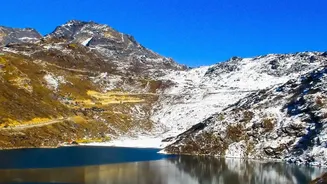

Travelling to Sikkim in 2027 could cost a little more for tourists planning to explore popular destinations such as Nathula Pass, Tsomgo Lake and Baba Mandir by road. The state government has announced
a revised vehicle entry fee structure that will come into effect from January 1, 2027, covering designated Reserve Forest areas and regulated routes.
The charges will vary depending on the vehicle’s seating capacity and the area being visited, with the highest fee going up to Rs 10,000 for larger buses.
Read More: Dreaming Of A Cherry Blossom Getaway? Here’s Why Sikkim Belongs On Your November Travel List
The announcement comes more than a year after Sikkim introduced a separate Rs 50 tourist entry fee in March 2025. However, the two charges serve different purposes and do not apply in the same way.
What are the new tourist vehicle entry fees in Sikkim?
According to a notification issued by the Sikkim Home Department on November 23, the revised charges will apply to tourist vehicles entering designated Reserve Forest areas under the Gangtok, Pakyong and Mangan divisions. The affected routes include the Nathula-Tsomgo Lake-Baba Mandir-Dzuluk-Lingtam circuit, along with areas in Mangan beyond the Sankalang-Toong and Phedang check posts.
Read More: Vijay Varma Soaks In The Beauty Of Sikkim; Here’s A 5-Day Itinerary To Explore The Himalayan State
The fee will depend on the vehicle’s seating capacity, including the driver, and the territorial division it enters, reports, Times Of India.
Revised vehicle entry fees from January 1, 2027:
The revised vehicle entry fee will vary according to seating capacity and the area being visited, reports Travel and Leisure Asia. In the Gangtok-Pakyong division, four-wheelers with five seats and engine capacity above 1,000 cc will be charged Rs 1,500, while vehicles with 6–10 seats will pay Rs 2,500. Force or Tempo Travellers with 11–15 seats will attract a fee of Rs 4,500. Buses with 16–20 seats will be charged Rs 6,500, those with 21–30 seats Rs 7,500, and buses with more than 30 seats Rs 10,000. In the Mangan division, the corresponding charges will be Rs 1,200, Rs 1,500, Rs 2,500, Rs 3,500, Rs 5,500 and Rs 7,500, respectively.
Private motorcycles will attract a charge of Rs 750, with an additional Rs 350 for a pillion rider. Sikkim-registered motorcycle taxis will be charged Rs 350, while their pillion riders will pay Rs 250.
Why is Sikkim introducing another tourist entry fee?
The new vehicle charges come after Sikkim introduced a Rs 50 tourist entry fee under the Sikkim Registration of Tourist Trade Rules, 2025, from March 14 last year. That fee is collected by hotels at check-in and applies to tourists, except children below five years and visitors travelling for official government work. It covers a stay of up to 30 days, with the charge applicable again if a tourist returns after that period.
Read More: Sikkim Turns Into A Winter Wonderland As Fresh Snowfall Blankets Nathu La, Gnathang Valley
The money collected through the Rs 50 fee goes into the Tourism Sustainability Development Fund, which is intended to support tourism infrastructure, road connectivity, cleanliness and visitor facilities.
The 2027 vehicle charges are a separate measure. The latest notification consolidates permit regulations for protected, restricted and other regulated areas and introduces a fee structure for vehicles entering designated Reserve Forest areas. The government says the permit system is intended to regulate the movement of tourists, visitors, residents and vehicles.
As reported by The Times of India, the notification states that the rules are meant to operate “in the interest of security, public safety, environmental protection and orderly tourism management” under the Sikkim Public Security Rules, 1962.
Who is exempt from the new charges?
According to a report by Travel, Trade Journal, Sikkim residents holding valid Sikkim Subject Certificates, Certificates of Identification, Residential Certificates or Sikkim voter identity cards will be exempt from the permit fees. Eligible residents living in protected or restricted areas may also receive annual complimentary permits.
Tourists visiting Dzongu through routes such as Sankalang and Phedang for homestays, sightseeing or other approved purposes will still need an online permit, but no permit fee or service charge will be collected for these visits.
What should tourists know before planning a Sikkim trip in 2027?
The Home Department will oversee the permit system, while the Department of Tourism and Civil Aviation will process and facilitate tourist permits. The Army will handle permits for its vehicles and guests.
Travellers planning road trips to Nathula, Tsomgo Lake, Baba Mandir, Dzuluk and other regulated areas from January 2027 should check the applicable vehicle category and route charges with their tour operator before finalising their budget. The revised fees do not amount to a blanket charge on every vehicle entering the state; they apply to the designated areas covered by the notification.