






Iran’s renewed strikes on the United Arab Emirates have raised serious questions about the stability of the fragile ceasefire in the region, particularly as tensions intensify around the strategically
vital Strait of Hormuz. The latest attacks appear to be directly linked to efforts by the United States to reopen and secure shipping routes through the Strait of Hormuz. Tehran views these moves as a violation of the ceasefire agreement, which has been in place since early April.
Iran has effectively controlled access to the strait since the conflict began earlier this year. Any attempt to bypass or weaken that control is being seen as a provocation.
What Happened In Latest Attacks?
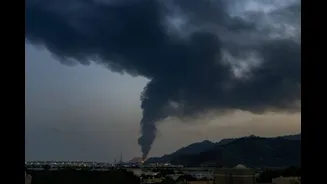
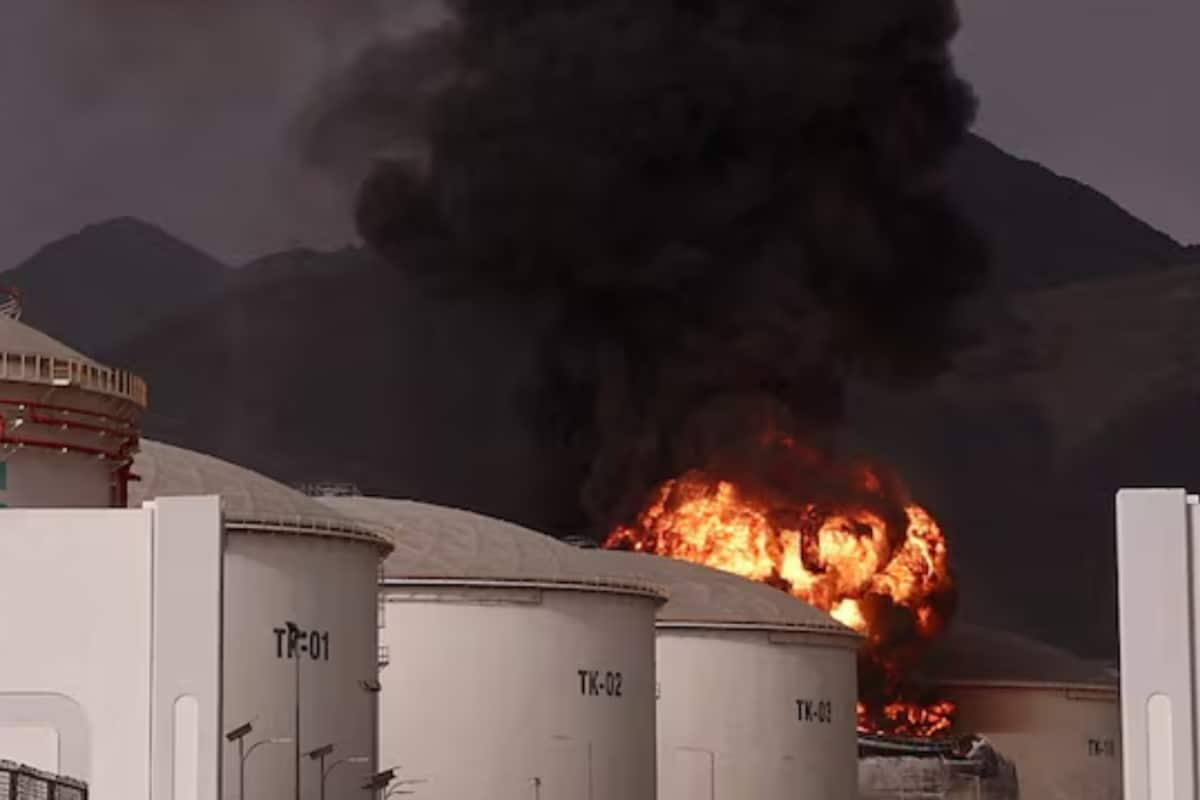
According to UAE authorities, Iran launched multiple cruise missiles, most of which were intercepted. In addition, a drone strike triggered a fire at a key oil facility in Fujairah, a critical energy hub. There were also reports of cargo vessels catching fire in nearby waters, further highlighting the risks to commercial shipping in the region.
Why Is Strait Of Hormuz So Important?
The Strait of Hormuz is one of the world’s most critical energy corridors, with a significant portion of global oil and gas supplies passing through it. Disruptions here have immediate global consequences, including rising fuel prices and economic uncertainty. Iran’s control over the strait gives it significant leverage in both military and diplomatic terms.
How Is US Involved?
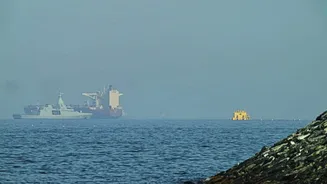
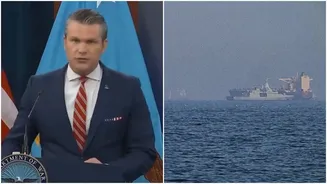
The United States has launched a new initiative to escort and guide commercial vessels through the strait, aiming to restore normal shipping operations. This effort includes naval deployments and what has been described as a humanitarian mission to assist stranded ships. However, Iran has warned that any foreign military presence in the area will be considered hostile and could be targeted.
Is Ceasefire At Risk Of Collapse?
The renewed attacks suggest that the ceasefire is increasingly fragile. While it has held for several weeks, actions by both sides- including military escorts and strikes- risk triggering a broader escalation. Shipping companies and insurers are already reassessing the risks of operating in the region, which could further disrupt global trade.
What Are Wider Implications?
Beyond the immediate security concerns, the situation threatens global energy markets and supply chains. Countries dependent on Gulf oil are particularly vulnerable and prolonged instability could push prices even higher. Diplomatic efforts are ongoing, but with both sides accusing each other of violations, the path to de-escalation remains uncertain.