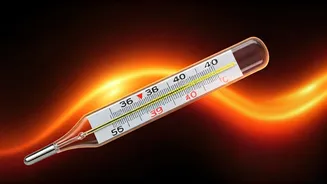








With temperatures continuing to soar across several parts of the country, health experts are warning people to take heat-related symptoms seriously. Prolonged exposure to extreme heat can put immense stress
on the body, often leading to dehydration, heat exhaustion and, in severe cases, heatstroke. Recognising the early warning signs and responding quickly can help prevent serious health complications.
According to Dr Pankaj Soni, Principal Director, Internal Medicine, Max Smart Super Speciality Hospital, heat exhaustion is the body’s “tipping point.” It is the final warning stage before the onset of the far more dangerous and potentially fatal, heatstroke.
When the body’s core temperature rises, it struggles to maintain homeostasis, leading to several physiological warning signs:
1. Increased Thirst (Polydipsia)
Thirst is the brain’s first line of defence. When the body loses fluids through sweat, the concentration of salt in the blood increases. This triggers the hypothalamus to signal an urgent need for water. By the time you feel thirsty, you are likely already mildly dehydrated.
2. Heavy Sweating
Sweating is the body’s primary cooling mechanism through evaporative cooling. During heat exhaustion, the sweat glands work at maximum capacity to release excess heat.
Medical Note: If the skin suddenly becomes hot and dry despite the heat, it may indicate progression towards heatstroke and requires immediate medical attention.
3. Fatigue and Weakness
As blood volume decreases due to fluid loss, the heart has to work harder to pump blood to both the muscles and the skin. This can lead to extreme tiredness, weakness and a feeling of heavy limbs, as the body attempts to force rest and recovery.
4. Nausea
When the body overheats, it prioritises cooling the skin and maintaining blood flow to vital organs like the brain and heart. As a result, blood flow to the digestive system decreases, often causing nausea or vomiting.
5. Giddiness or Dizziness
Dizziness occurs because of a temporary drop in blood pressure. Blood vessels near the skin dilate to release heat, while fluid levels remain low, reducing blood flow to the brain. This may cause lightheadedness, especially while standing up suddenly.
6. Muscle Cramps
Also known as “heat cramps,” these painful muscle spasms occur due to the loss of essential electrolytes such as sodium, potassium and magnesium through excessive sweating. These minerals are necessary for proper muscle contraction and relaxation.
7. Fast Heartbeat and Rapid Breathing
This is the body’s compensatory stress response.
Tachycardia (Fast Heartbeat): The heart beats faster to maintain blood pressure despite reduced fluid volume.
Tachypnea (Rapid Breathing): Breathing speeds up to help expel heat and meet the oxygen demands of a stressed cardiovascular system.
What To Do Immediately
If you or someone around you experiences these symptoms, immediate intervention is essential:
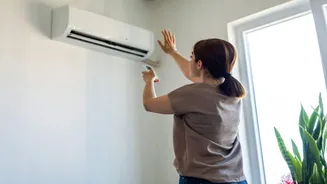
Move to a cool, shaded or air-conditioned place
Drink water or an electrolyte-rich beverage
Cool the skin with damp cloths or a cool mist
Loosen tight clothing to improve air circulation
The Golden Rule
If symptoms do not improve within 30 minutes, or if the person becomes confused, disoriented or loses consciousness, seek emergency medical assistance immediately.