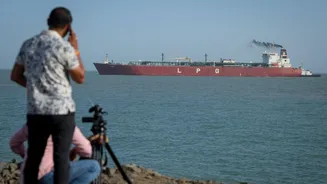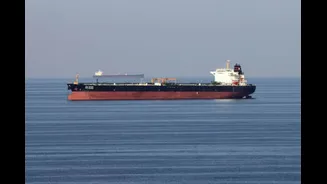


US forces have destroyed multiple Iranian “small boats” in the Strait of Hormuz amid escalating tensions after President Donald Trump announced “Project Freedom” aimed at restoring shipping movement through
the key waterway.
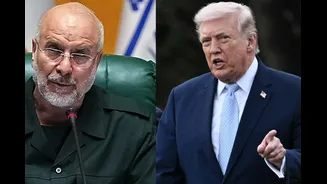
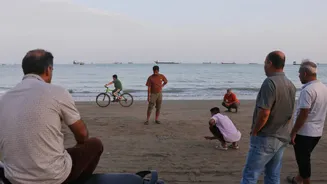
According to US Central Command, American forces targeted and sank at least six Iranian boats that were attempting to interfere with vessels navigating the strait. Trump, however, claimed on social media that seven boats were shot down, describing them as “fast boats” and saying “it’s all they have left.”
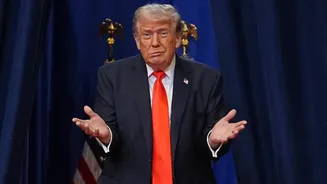
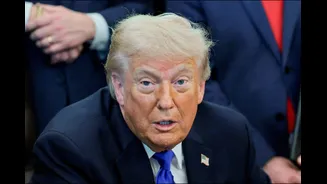
In a post on Truth Social, Trump wrote, “Iran has taken some shots at unrelated Nations with respect to the Ship Movement, PROJECT FREEDOM, including a South Korean Cargo Ship. Perhaps it’s time for South Korea to come and join the mission! We’ve shot down seven small Boats or, as they like to call them, “fast” Boats. It’s all they have left.”
“Other than the South Korean Ship, there has been, at this moment, no damage going through the Strait. Secretary of War Pete Hegseth and Chairman of the Joint Chiefs of Staff, Dan Caine, will have a News Conference tomorrow morning,” he added.
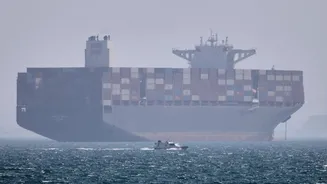
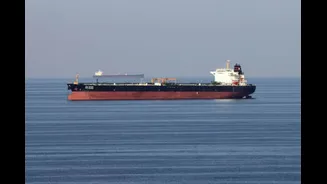
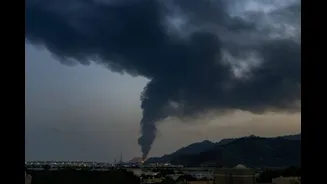
The action comes after Iran reportedly launched attacks on commercial shipping, including a South Korean cargo vessel and a UAE-linked tanker, heightening fears over the safety of one of the world’s busiest oil routes.
What Is Project Freedom?
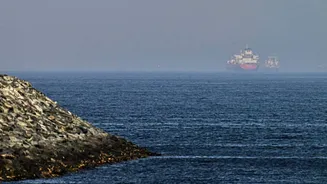
“Project Freedom,” announced earlier, is a US-led military operation to guide stranded commercial ships out of the Persian Gulf through the Strait of Hormuz. The initiative involves naval assets, aircraft and thousands of personnel to secure transit through the waterway.
Iran has warned that any vessel attempting to pass through the strait without its approval could be targeted, and has denied US claims of losses, maintaining that it retains control over the region.
The confrontation has raised concerns over global shipping and energy supplies, with several vessels rerouting and international calls growing for de-escalation even as both sides continue to assert control over the strategic corridor.