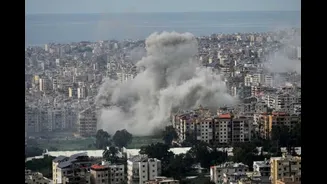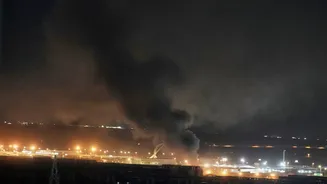






Global travel routes across the Middle East are facing one of their most significant disruptions in years. As tensions escalate following military strikes on Iranian targets, the region’s aviation corridors,
some of the busiest connecting Europe, Asia and Africa, have rapidly become uncertain territory.
The result is a ripple effect across tourism, aviation and hospitality. Airlines are adjusting routes, travellers are reconsidering itineraries and airports across the Gulf are navigating sudden operational challenges. According to estimates by the World Travel & Tourism Council, as shared by The Financial Times, the financial toll on the region’s tourism industry has surged to roughly $600 million in daily losses, driven largely by the collapse in international visitor spending and widespread flight disruptions.
Airspace Disruptions Reshape Travel Routes
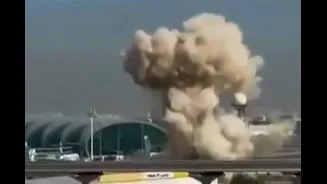
The Middle East’s strategic position makes it a critical crossroads for global aviation. Major hubs such as Dubai, Doha, and Abu Dhabi serve as key transit points for long-haul routes between continents. However, with sections of regional airspace restricted or closed, airlines have been forced to cancel or reroute flights.
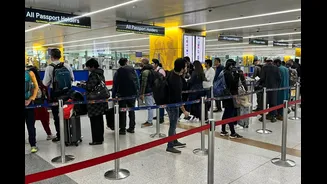
Carriers including KLM and British Airways have already suspended or modified services to several destinations, leaving passengers stranded or scrambling to adjust travel plans. For travellers, the disruption extends beyond cancelled flights. Longer flight paths, unexpected layovers and reduced seat availability are beginning to reshape travel patterns across the region.
Tourism’s Fragile Recovery Faces A Setback
The timing of the crisis could not be more challenging for the region’s tourism sector. The World Travel & Tourism Council had previously projected international visitor spending in the Middle East to reach $207 billion by 2026, signalling a strong post-pandemic recovery. Security concerns, however, have prompted many travellers to delay or cancel trips. Hotels, airlines and tour operators across Gulf destinations are now grappling with uncertainty as bookings slow.
Escalation Raises Global Trade Concerns
Beyond tourism, the widening conflict is raising alarm about global trade routes and energy supplies. Iran has threatened maritime traffic through the Strait of Hormuz, one of the world’s most critical shipping lanes for oil and energy exports. The escalation has also drawn international attention at the United Nations Security Council.
What It Means For Travellers
For travellers planning trips to or through the Middle East, flexibility has become essential. Airlines are advising passengers to monitor flight schedules closely, while travel insurers are seeing a rise in policy inquiries related to geopolitical disruptions. Travel experts say that once stability returns, tourism demand is likely to rebound quickly.
The Middle East remains one of the world’s most important travel crossroads, linking continents through its major aviation hubs. Yet the ongoing Middle East conflict has exposed how quickly geopolitical tensions can ripple through global travel networks. While the industry has proven resilient in the past, the coming weeks will determine how swiftly tourism and aviation can stabilise, and whether travellers regain confidence in the region’s skies.