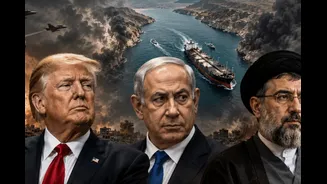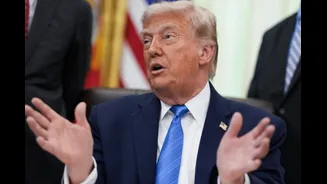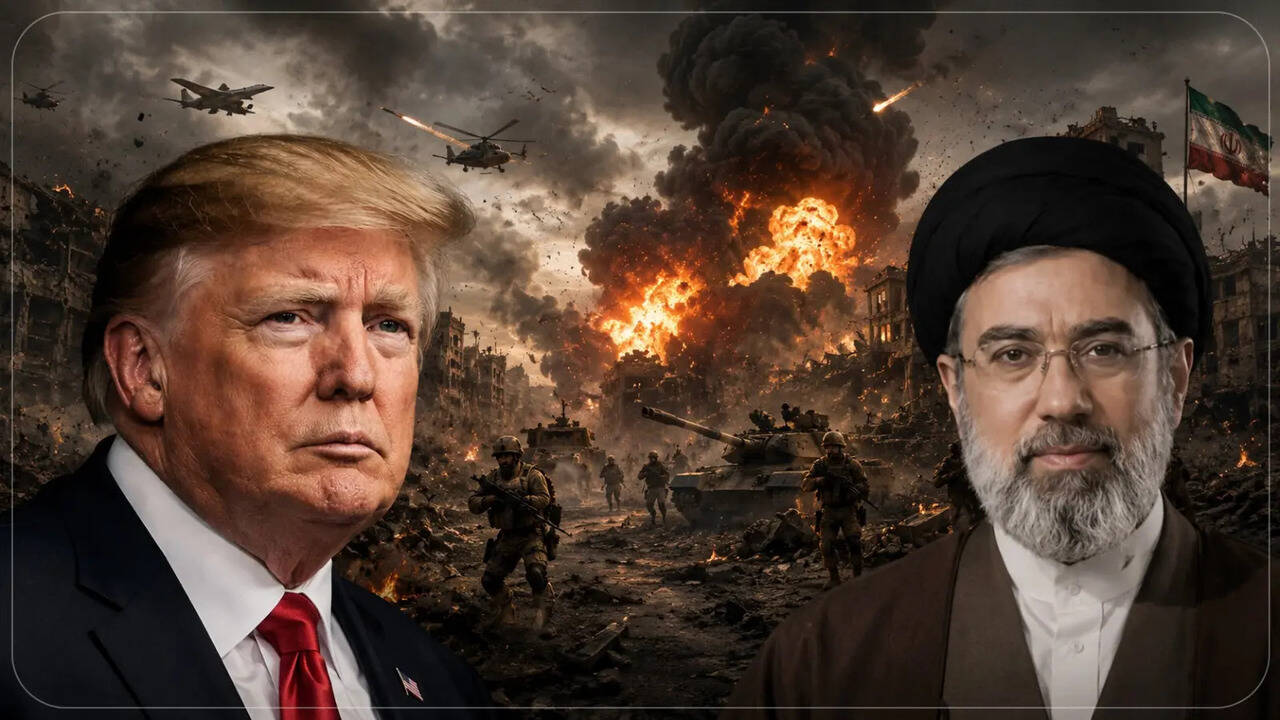







A deal aimed at formally ending the Iran war could be signed as early as Sunday, according to US President Donald Trump and Pakistani officials involved in mediation efforts, though Iran has indicated
that more time may be needed before any agreement is finalised.
The proposed memorandum of understanding (MoU) is expected to extend the current ceasefire, reopen the Strait of Hormuz and pave the way for further negotiations, including discussions on Iran’s nuclear programme.
A fragile ceasefire has been in place since early April, following weeks of conflict involving Iran, the United States and Israel.
While Trump has repeatedly claimed in recent weeks that an agreement was imminent, officials on all sides now appear more optimistic that negotiations are nearing a conclusion.
Pakistan, which has played a mediating role in the talks, said the agreement was closer than ever.
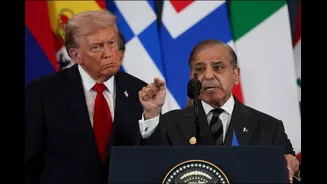
Prime Minister Shehbaz Sharif said, “With finalisation likely expected in the next 24 hours, Pakistan is preparing for the electronic signing of the peace deal immediately after, followed by technical level talks next week.”
AFP reported that Pakistan’s foreign ministry also confirmed that a signing ceremony was planned for Sunday.
According to Axios, US and Iranian representatives, along with mediators from Pakistan and Qatar, are expected to participate in a virtual meeting and electronically sign the memorandum of understanding.
The report said the agreement would extend the ceasefire by 60 days, reopen the Strait of Hormuz and launch negotiations over Iran’s nuclear programme.
Axios attributed the move to nearly three months of diplomacy involving Pakistan, Qatar, Egypt and Turkey.
TRUMP CLAIMS STRAIT OF HORMUZ WILL REOPEN IMMEDIATELY
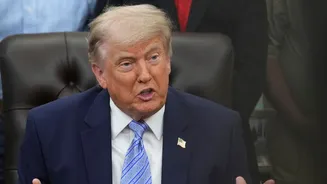
Trump said on Saturday that the agreement would be signed the following day and that shipping through the strategic Strait of Hormuz would resume immediately.
“The Deal is scheduled to get signed tomorrow, and immediately after it is signed, the Hormuz Strait is OPEN TO ALL,” Trump wrote on Truth Social.
He also said that US-Iran relations were now “a much different and better one than previous Administrations have had.”
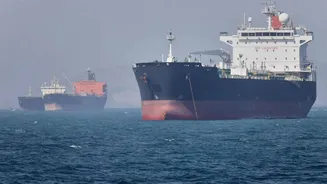
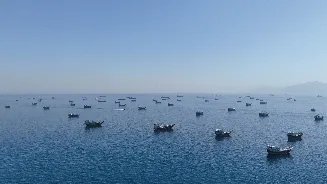
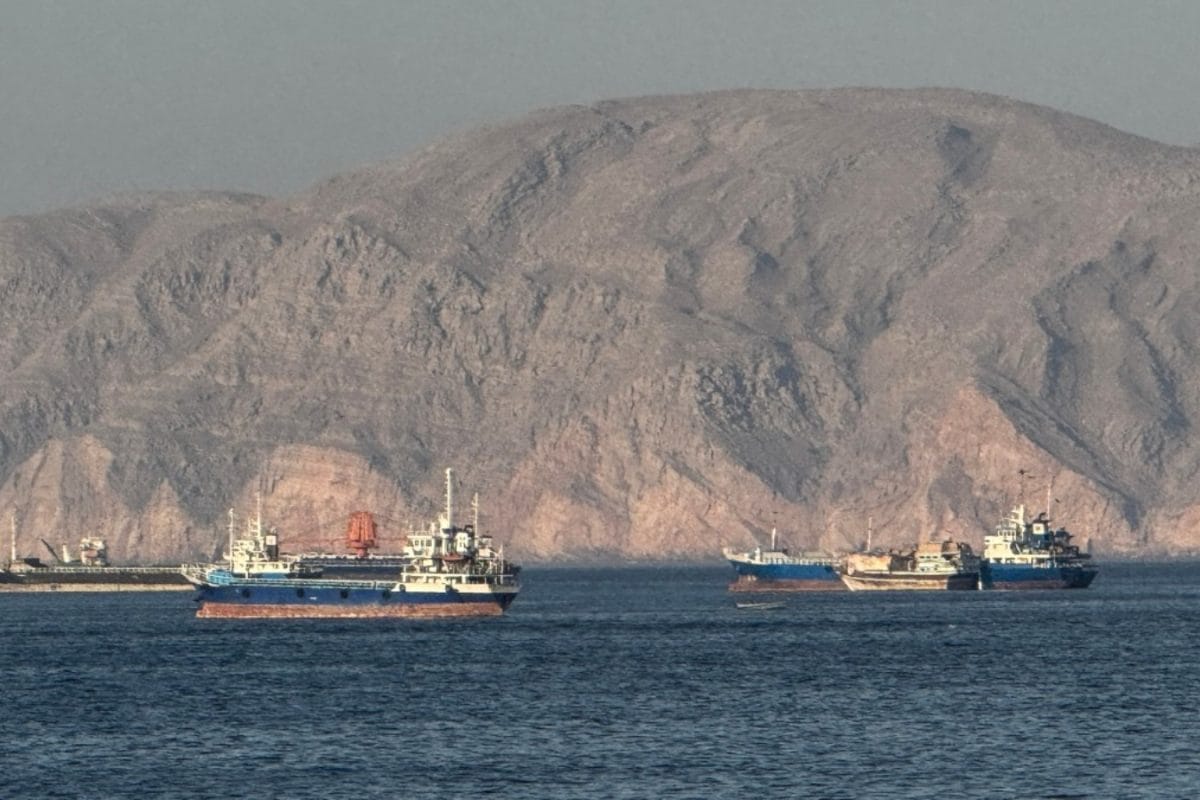
The Strait of Hormuz has remained a major flashpoint throughout the conflict.
Iran effectively controlled the waterway after the war began, severely disrupting oil and natural gas shipments from the Persian Gulf.
The United States responded by blockading Iranian ports.
IRAN CAUTIOUS ON TIMELINE
Despite the growing optimism, Iran has offered a more cautious assessment of the timeline.
Iranian Foreign Ministry spokesperson Esmail Baghaei said the signing “will not happen tomorrow,” but added that “the likelihood of finalising the memorandum of understanding in the coming days is high.”
Iranian Foreign Minister Abbas Araghchi had earlier written on X that an agreement “has never been closer.”
NUCLEAR ISSUE REMAINS CONTENTIOUS
One of the most sensitive unresolved issues remains Iran’s stockpile of highly enriched uranium.
AP reported that Iranian officials said the memorandum currently under discussion is focused on ending the war and that “at this stage, it has been decided that there will be no discussion of the nuclear issue.”
However, Axios reported that the proposed framework is expected to open negotiations on Iran’s nuclear programme once the ceasefire extension takes effect.
Trump reiterated his position on the uranium stockpile, saying, “When all is calm, we will go in and get the Nuclear Dust, and downblend and destroy it, whether in Iran, or the United States.”
He also warned that if implementation of the agreement did not proceed “quickly, easily, and smoothly,” military options remained available.
G7 DISCUSSIONS TO FOCUS ON POST-WAR ARRANGEMENTS
Trump is expected to discuss post-war arrangements at the upcoming G7 summit.
A senior US official said he plans to meet leaders from Egypt, Qatar and the United Arab Emirates to discuss efforts to consolidate the ceasefire and broader regional opportunities after the conflict.
Axios reported that discussions are also expected to cover international efforts led by the United Kingdom and France to clear mines from the Strait of Hormuz and ensure the safe resumption of maritime traffic.
While conflicting statements from Washington and Tehran suggest some differences remain, mediators and officials involved in the process have projected increasing confidence that a formal agreement to end the conflict could soon be within reach.