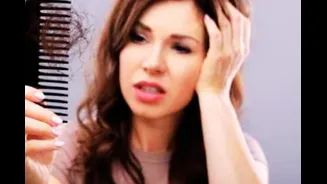




As temperatures dip, hair concerns tend to rise. Winter is notorious for increased hair fall, brittle strands, and a scalp that feels tight, itchy, or uncomfortable. While it may seem alarming to spot
more hair on pillows, combs, or shower drains, seasonal hair shedding is often linked less to hair damage and more to what cold weather does to the scalp environment. Dry air, indoor heating, altered routines, and subtle nutritional shifts together create conditions that weaken hair at the root, making winter one of the most challenging seasons for hair health.
What’s Really Causing Winter Hair Fall
“Winter, with its low humidity and cold, has the potential to extract moisture from the scalp and hair which is very essential, thereby causing the dryness, breaking and shedding of hair to be more than the usual,” explains Dr Milli Sinha, Aesthetic Physician, La Clinique and expert at Oteria. She adds that indoor heating and irregular scalp care interfere with the natural lipid balance, weakening hair follicles and impairing healthy growth.
Echoing this, Dr Shweta Nakhawa, Consultant Dermatologist at KIMS Hospitals, Thane, notes, “Winter hair fall has less to do with damaged hair and more to do with the effects of cold temperatures on the scalp.” According to her, cold outdoor air combined with warm indoor air dries out the scalp, making it tight and flaky, which weakens hair roots and increases shedding.
Dry Scalp, Brittle Hair, Weaker Roots
One of the biggest culprits behind winter hair fall is dehydration. “The lack of moisture in the air causes the hair to become brittle, making it easier for hair to break during combing or styling,” says Dr Nakhawa. She also points out that washing hair less frequently during winter can lead to scalp buildup, which may further aggravate hair fall.
Reduced blood circulation plays a role, too. Cold temperatures cause slight constriction of blood vessels in the scalp, limiting nutrient supply to hair follicles. “It doesn’t stop hair growth entirely but it prepares more hair to enter the shedding phase,” Dr Nakhawa explains.
The Role Of Diet And Daily Habits
Seasonal lifestyle changes quietly influence hair health. “Nutritional deficiencies, stress, and seasonal changes in blood flow can make the situation worse,” says Dr Sinha. Reduced water intake and fewer fruits and greens during winter can lead to dehydration and weaker strands.
Both experts stress the importance of gentle handling. Hot showers, excessive heat styling, and aggressive brushing can worsen hair breakage when hair is already dry. Covering the head in extreme cold helps retain moisture, but scarves and caps should be clean to avoid scalp irritation, Dr Nakhawa advises.
How To Control Winter Hair Fall Effectively
Scalp care is key. “Using a gentle and moisturizing shampoo and not washing the hair frequently helps preserve the scalp’s natural oils,” says Dr Nakhawa. Lukewarm water is preferable to hot water, and oil massages can boost circulation, although excessive oiling should be avoided to prevent clogged pores.
Dr Sinha recommends a holistic routine that includes moisturising cleansers, regular scalp massages, and nutrient-rich hair products. “Incorporating formulations enriched with ingredients like amla, fenugreek, curry leaves, vitamins, and biotin helps support scalp health, hydration, and resilience,” she explains.
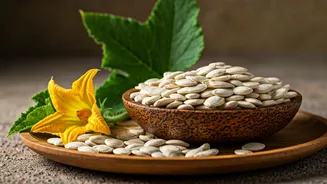
A balanced diet rich in proteins, iron, zinc, and omega-3 fatty acids – found in nuts, seeds, eggs, and lentils – also strengthens hair from within.
A certain amount of winter hair fall is normal and temporary. Panic and harsh hair practices often do more damage than the season itself. By focusing on scalp hydration, gentle routines, balanced nutrition, and mindful styling, hair can stay strong through winter and emerge healthier and shinier in the months ahead.