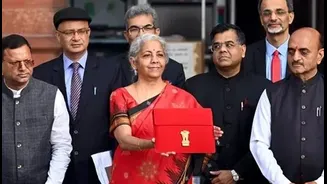

Union Budget 2026: Finance Minister Nirmala Sitharaman has announced a new “Biopharma Shakti” Hub scheme, signalling a sharp pivot in India’s health and pharmaceutical strategy as the country grapples
with a fast-changing disease profile.
The Union Finance Minister, while reading the Union Budget 2026, underlined that India’s disease burden is steadily shifting towards non-communicable diseases, with diabetes, cancer, and autoimmune disorders accounting for a growing share of illness and healthcare spending.
“To develop India as a global biopharma manufacturing hub, I propose Biopharma Shakti at an outlay of Rs 10,000 crore,” said Finance Minister Nirmala Sitharaman.
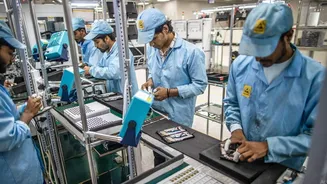
Backed by an outlay of Rs 10,000 crore over the next five years, the scheme aims to build a full-stack ecosystem for the development and manufacturing of biologics and biosimilars – areas increasingly critical to treating chronic and complex diseases. Sitharaman said the programme would focus on research capacity, regulatory upgrades, clinical trial infrastructure, and skilled manpower to help India compete globally in advanced therapeutics.
How does the Centre plan to do it?
To support this ambition, the government will set up three new National Institutes of Pharmaceutical Education and Research (NIPERs) and upgrade the existing seven to strengthen advanced training and translational research, Sitharaman said. The plan also includes the creation of 1,000 accredited clinical trial sites and a comprehensive upgrade of the Central Drugs Standard Control Organisation (CDSCO) to align Indian regulatory processes with global approval standards. Together, the measures are intended to position India not just as a supplier of affordable medicines, but as a global hub for next-generation biopharmaceutical innovation.
Why is the announcement important?
The announcement comes at a time when non-communicable diseases dominate India’s health landscape. Also, India is dependent on imported biologics in the majority of cases, especially high-value oncology drugs or drugs to treat rare diseases. According to industry experts, the market for biosimilars – the copycat versions of original biologics – was valued at approximately $1.3 million in 2025 and is expected to reach $5.9 million by 2033.
According to global and national estimates, NCDs account for nearly two-thirds of all deaths in India, with diabetes prevalence crossing 100 million adults and cancer cases rising steadily each year. Overall, the burden of NCDs is substantial, with non-communicable diseases like heart disease, cancer, diabetes, and chronic respiratory issues causing over 60% of deaths and a large share of disability.
Also, autoimmune conditions, once considered rare, are also being diagnosed more frequently as awareness and diagnostic capacity improve. This epidemiological transition has sharply increased demand for long-term, high-cost therapies, particularly biologic medicines.
Biologics are drugs derived from living cells rather than chemical synthesis, and include complex molecules such as monoclonal antibodies, recombinant proteins, and vaccines. They are widely used in cancer, diabetes, rheumatoid arthritis, multiple sclerosis, and other autoimmune disorders. Biosimilars are highly similar versions of approved biologic drugs, developed after the original product’s patent expires. While they are not identical to chemical generics, biosimilars offer comparable safety and efficacy at significantly lower cost, making them vital for expanding access in price-sensitive markets such as India.