





Saudi Arabia has begun aggressively diversifying its military partnerships, pivoting away from its traditional reliance on Pakistan in favour of battle-hardened Ukrainian expertise. Exclusive intelligence
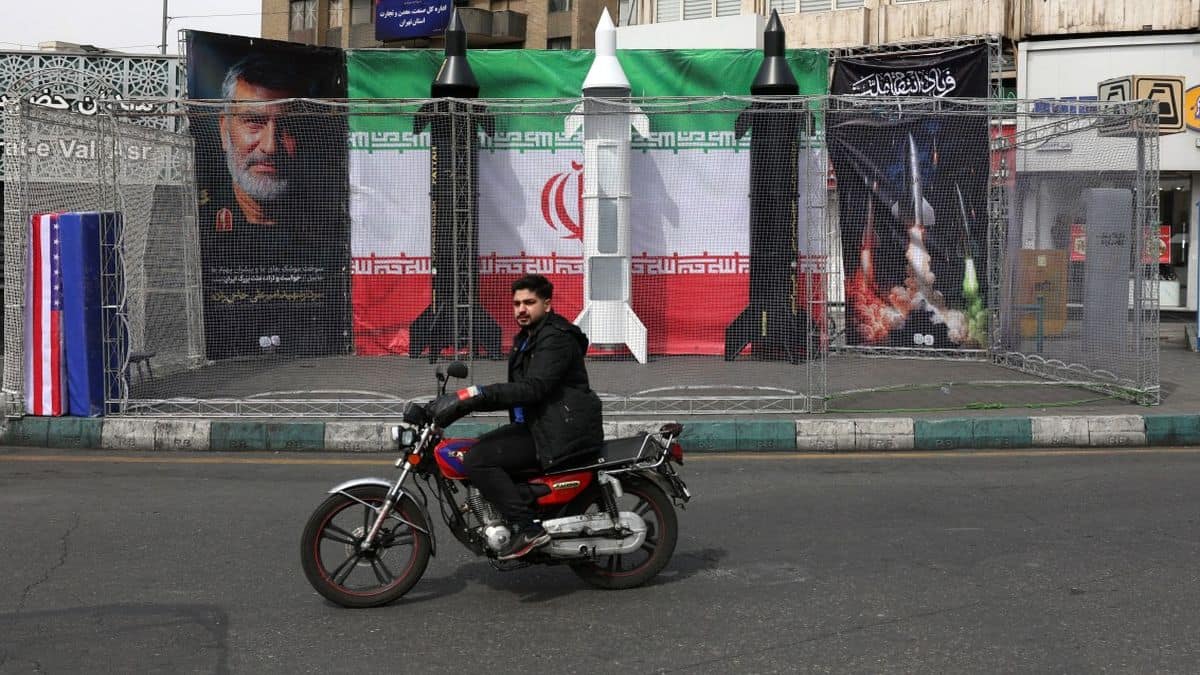
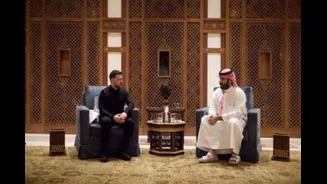
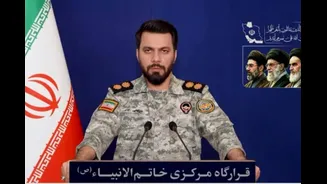
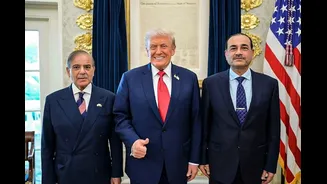
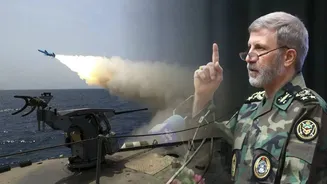
reports accessed by CNN-News18 reveal that Riyadh is increasingly disillusioned with Islamabad’s “diplomatic-only” approach following a series of sophisticated Iranian ballistic missile and drone strikes on Gulf targets. Despite a formal defence agreement and high-profile visits by Pakistan’s Ishaq Dar and General Asim Munir, the lack of visible operational support has pushed Crown Prince Mohammed bin Salman (MBS) to seek “real-time” solutions from Kyiv.
The Failure of the ‘Brotherly’ Shield
For decades, Pakistan was viewed as the ultimate guarantor of Saudi security, yet the recent escalation in the Gulf has exposed a critical gap between rhetoric and reality. While Islamabad has flooded social media with messages of “brotherly solidarity”, top intelligence sources confirm that Pakistan has provided zero military deployment, air support, or direct operational assistance to any Gulf nation during the current crisis. This paralysis is largely attributed to Pakistan’s own domestic fragilities, including a volatile border with Afghanistan, a direct security stand-off with Iran, and the looming risk of sectarian tensions at home. “Pakistan can help with the movement of militants, but they failed miserably in handling even the Taliban; they are in no position to counter a high-tech state actor,” a senior intelligence official remarked.
Ukraine’s Battle-Tested Advantage
In stark contrast, Ukraine offers something Pakistan cannot: five years of high-intensity, data-driven experience in defeating the exact Iranian-designed Shahed-type drones and ballistic missiles currently threatening the Saudi heartland. Ukrainian anti-drone teams have reportedly already been deployed to Saudi Arabia and other Gulf states to share “low-cost, high-volume” interceptor tactics developed on the battlefields of Eastern Europe. While US systems remain a cornerstone of Saudi defence, they are often described as expensive and slower to adapt to the rapidly evolving nature of drone swarms. Ukraine’s innovative solutions, optimised for real-world attrition, provide a lethal and cost-effective counter to Iranian aggression.
A New Strategic Axis
This burgeoning agreement with MBS significantly strengthens Ukraine’s position as an indispensable international player, even as its war with Russia enters its fifth year. For the Gulf, Ukraine represents a partner that understands the “Shahed” threat better than any other nation on Earth. The pivot also signals a broader shift in Riyadh’s foreign policy: the era of relying on traditional “all-weather” allies like Pakistan—who offer statements but no boots on the ground—is being replaced by a pragmatic search for partners who can deliver immediate, operational results. As Ukraine exports its specialised air-defence know-how, Islamabad finds itself increasingly sidelined, its “strategic depth” in West Asia rapidly evaporating in the face of Kyiv’s technological edge.