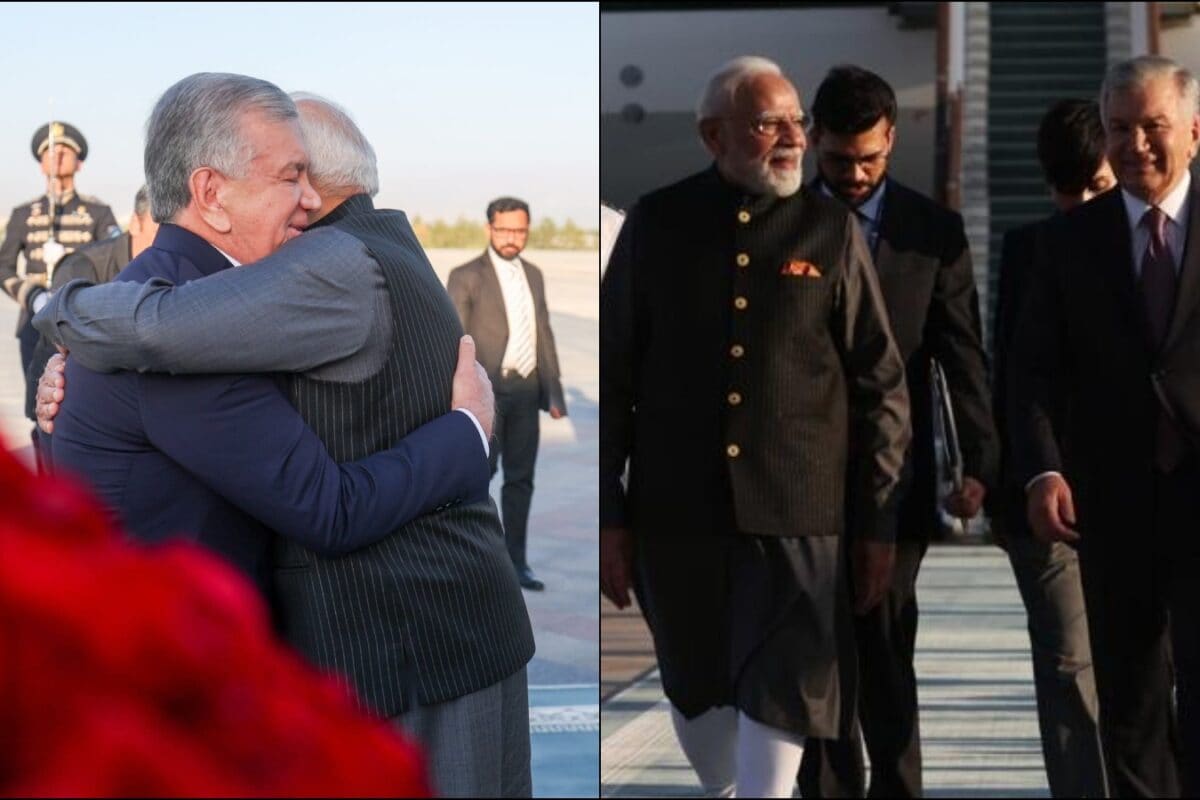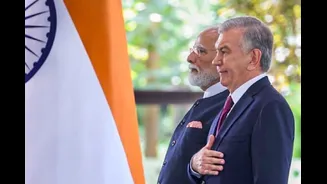





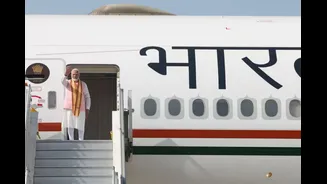

India and Uzbekistan on Sunday elevated their relationship to a Comprehensive Strategic Partnership and agreed to establish a long-term arrangement for uranium supplies to India, giving a major nuclear-energy
dimension to Prime Minister Narendra Modi’s two-day state visit to Tashkent.
The uranium arrangement was announced as Modi held delegation-level talks with Uzbek President Shavkat Mirziyoyev in Tashkent, with the two sides also agreeing to deepen cooperation in trade and investment, digital connectivity, defence and energy.
“We will also establish a long-term arrangement for the supply of uranium,” Modi said during the talks.
The agreement comes as India seeks to secure long-term nuclear fuel supplies while significantly expanding its nuclear power capacity as part of its broader energy strategy.
The two leaders also agreed to upgrade India-Uzbekistan ties to a Comprehensive Strategic Partnership, marking a significant expansion of the relationship with cooperation set to cover strategic, economic, technological and energy priorities.
Why The Uranium Arrangement Matters
Access to reliable uranium supplies is strategically important
for India’s nuclear-energy ambitions.
New Delhi has been working to diversify its sources of nuclear fuel, building long-term relationships with uranium-producing countries while seeking to expand nuclear power as a dependable source of low-carbon electricity.
Uzbekistan is itself a significant uranium producer and has been expanding its uranium industry, including efforts to move beyond the export of raw material towards higher-value activities.
India and Uzbekistan had previously signed a long-term contract for the supply of uranium ore concentrate in 2019.
India-Uzbekistan Ties Get Major Upgrade
The elevation to a Comprehensive Strategic Partnership came during Modi’s fourth visit to Uzbekistan and reflects the growing importance New Delhi attaches to Central Asia.
Modi and Mirziyoyev discussed ways to deepen cooperation across trade and investment, digital connectivity, defence and energy, while also looking at the two countries’ broader developmental priorities — Viksit Bharat and Yangi Uzbekistan.
The two sides also agreed to establish three sister-city and sister-state arrangements.
“We should create a roadmap to fully realise their potential,” Modi said, highlighting the potential for closer cooperation between local governments and institutions.
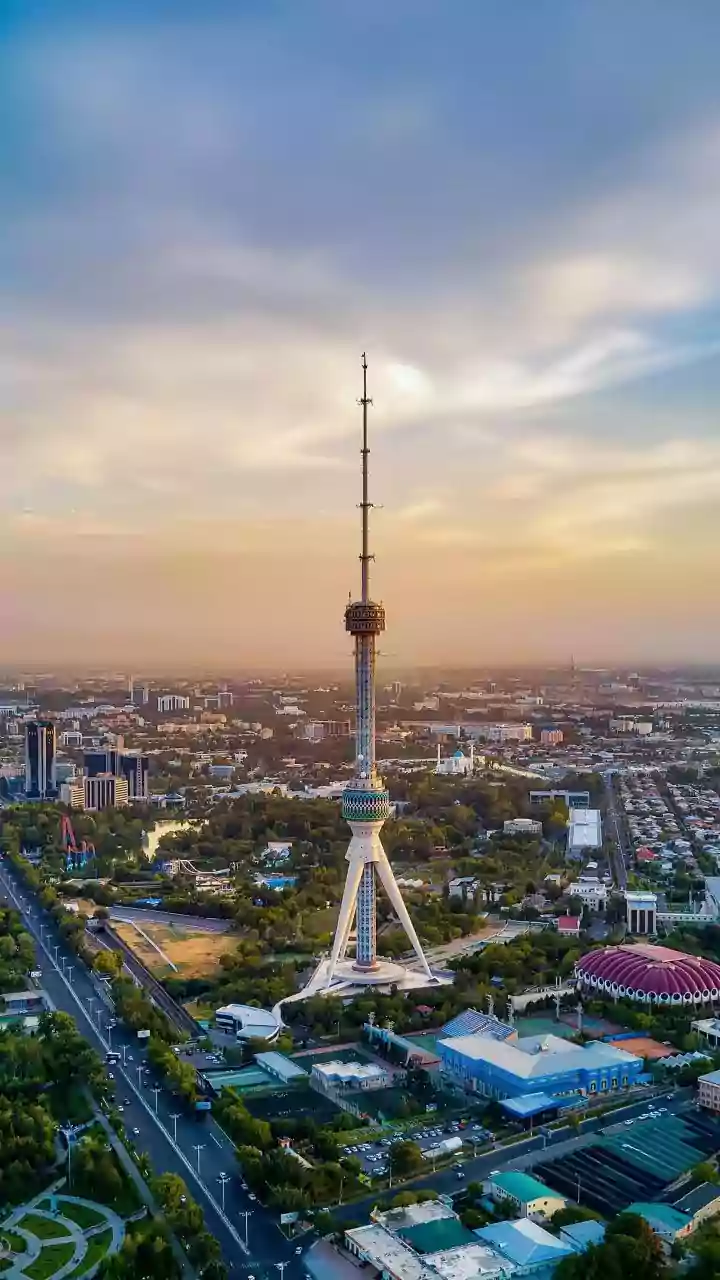
He also pointed to Uzbekistan’s New Tashkent development and India’s GIFT City in Gujarat as examples of major urban-development projects.
“Mega-projects like ‘New Tashkent’ are underway in your country, while in India, we have developed GIFT City in Gujarat,” Modi said.
He said India would be delighted to welcome an Uzbek delegation to study best practices and the use of technology in GIFT City’s development.