







Most people don’t realise that winter pollution can intensify skin damage caused by particulate matter (PM2.5), ozone and toxins, resulting in dullness, dehydration, hyperpigmentation and accelerated ageing.
Pollution is the root cause of many health concerns, and its adverse effects on the skin demand equal attention. Fortunately, advanced skincare innovations offer powerful solutions to counter the unique challenges this season brings.
Dr. Tanushree Biswas, Dermatologist, Kaya Clinic, Bangalore shares all you need to know:
Understanding Winter’s Impact
Winter’s reduced UV index and shorter days naturally limit sun exposure, significantly lowering the risk of post-treatment hyperpigmentation especially important for Indian skin tones prone to melanin overproduction. Cooler temperatures constrict blood vessels, reducing swelling, redness and inflammation during recovery, while low humidity prevents irritation from sweat or excess oil. A more indoor lifestyle also aligns perfectly with the downtime required for collagen regeneration, allowing smog-weakened skin structures to rebuild without interference from heat or prolonged sun exposure.
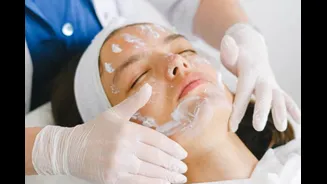
Harsh, cold winds and winter’s dry air strip the skin’s natural moisture barrier, amplifying oxidative stress and inflammation, issues that everyday topicals often cannot fully reverse. This is where advanced laser treatments step in, targeting deeper layers of the skin to repair pollution-induced damage with minimal UV-related risks. The result is improved glow, texture and resilience.
Top Laser Treatments for Smog-Damaged Skin
Fractional CO2 Laser
Ablates damaged outer layers to stimulate strong collagen production, fading fine lines, scars and pigmentation caused by PM2.5. With 3–5 sessions, the skin achieves a smoother texture with comfortable winter healing.
Q-Switched Nd:YAG Laser
Breaks down melanin clusters formed by oxidative stress, reducing dark spots and melasma safely across diverse skin tones. Quick sessions and minimal downtime make it ideal for city-dwellers.
Non-Ablative Lasers (Erbium Glass / Fraxel Dual)
Heat the dermis without disrupting the surface, strengthening the barrier and enhancing hydration, perfect for winter-dehydrated skin. They boost radiance by stimulating fresh collagen.
1064nm 650-Microsecond Technology (Neo Elite)
Delivers ultra-short 1064nm pulses to target melanin, hemoglobin and pollution-induced inflammation deeply. Treats acne, melasma, wrinkles, scars, rosacea and uneven tone across all Fitzpatrick types with no pain, no downtime and no numbing. Its MicroPulse design minimizes heat buildup, making it particularly safe for Indian skin frequently exposed to urban toxins.
Pico Laser
Uses ultra-fast pulses to fragment pigment and pollutants, making it highly effective for acne scars, uneven tone and vascular concerns caused by polluted environments. Rapid recovery enhances its winter advantages.
For amplified results, pair these lasers with LED light therapy to calm inflammation and accelerate repair.
Pre-Treatment Preparation and Post-Care Protocol
Before treatment (2–4 weeks):
Adopt gentle double cleansing
Use Vitamin C serums and barrier-strengthening ceramides
Pause retinoids and exfoliants to minimize sensitivity
After treatment:
Apply broad-spectrum SPF 50+ (UVA penetrates winter haze)
Use hyaluronic acid-rich moisturizers and gentle antioxidants
Stay hydrated with antioxidant-rich drinks like green tea
Shield skin outdoors with scarves during the 7–14 day recovery
Avoid harsh wind, pollutants and excessive sweating
Way Forward: Sustaining Your Revived Glow
Maintain results with bi-annual laser sessions to counter seasonal smog spikes, along with daily anti-pollution measures such as evening micellar water cleansing and N-acetylcysteine supplementation. A dermatologist can help tailor treatment plans through skin type assessments, pollution exposure analysis and customized laser or topical regimens.
Regular check-ups allow early detection of concerns like sensitivity or hyperpigmentation from urban smog, helping prevent barrier breakdown. When treatments and habits work together, skin resilience builds steadily ensuring long-term glow and protection even in high-pollution Indian cities.