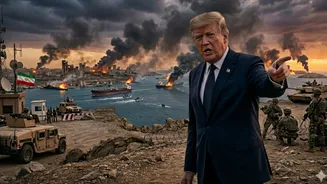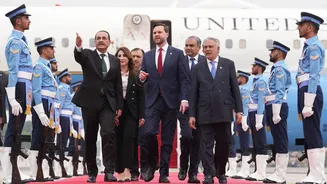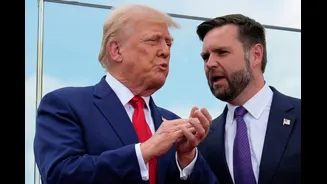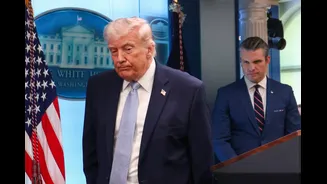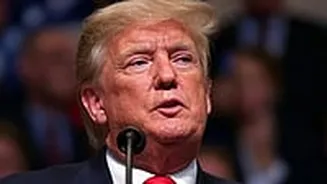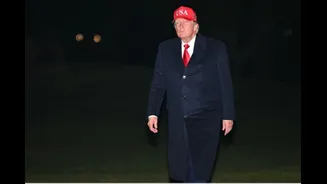

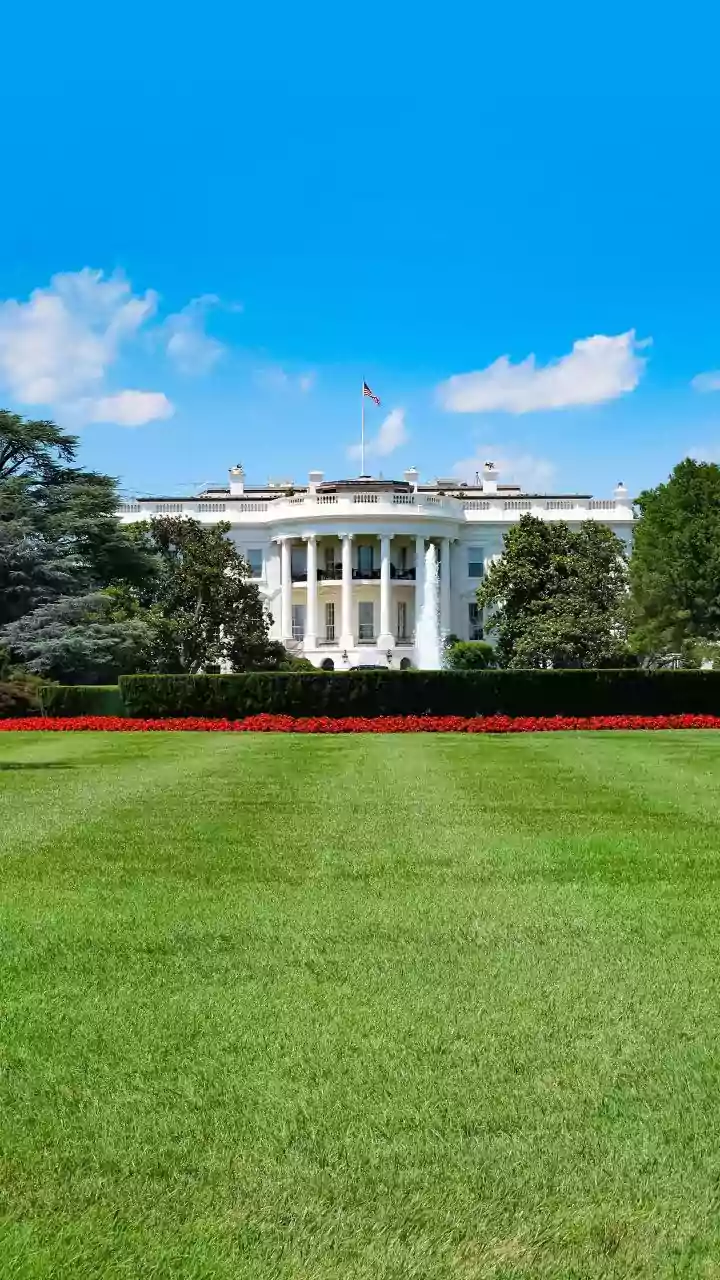
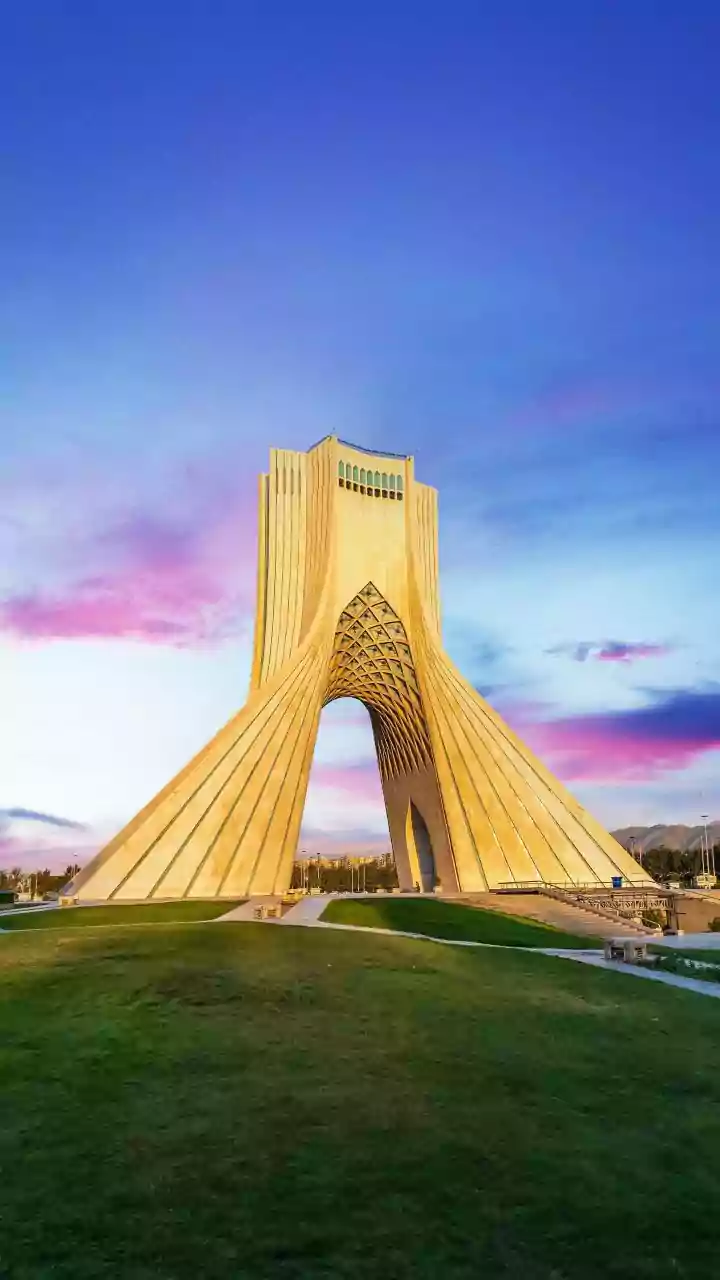
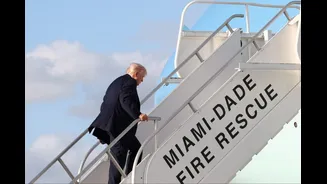
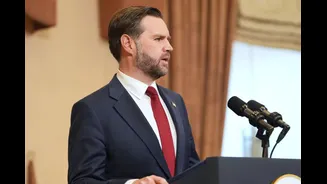
US President Donald Trump struck a defiant tone on negotiations with Iran, indicating he is unconcerned about whether Tehran returns to the negotiating table following the latest round of ceasefire talks.
“Oh, I don’t know. I don’t care if they come back or not. If they don’t come back, I’m fine,” Trump said, suggesting Washington believes it has already significantly weakened Iran’s military capabilities.
LIVE Updates On The US-Iran War
He claimed Tehran’s defence infrastructure had suffered major setbacks during the conflict.
“Their military is gone. Their missiles are largely depleted. The manufacturing capability for missiles and drones is largely defeated,” Trump said.
The remarks come after high-level talks between US and Iranian officials in Pakistan ended without an agreement, leaving uncertainty over the future of a fragile ceasefire due to expire on April 22.
Trump also accused Iran of failing to honour commitments related to maritime access through the Strait of Hormuz, one of the world’s most strategically significant oil transit chokepoints.
“We’ve been very nice. We haven’t ripped down too many bridges. We did it only because they broke their word, they broke their promise,” Trump said.
“Their promise was that they were going to open the Hormuz Strait. They didn’t do it. They lied,” the US President said.
US BLOCKADE PLAN TARGETS IRAN’S KEY LEVERAGE
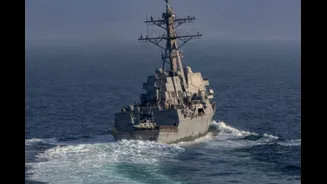
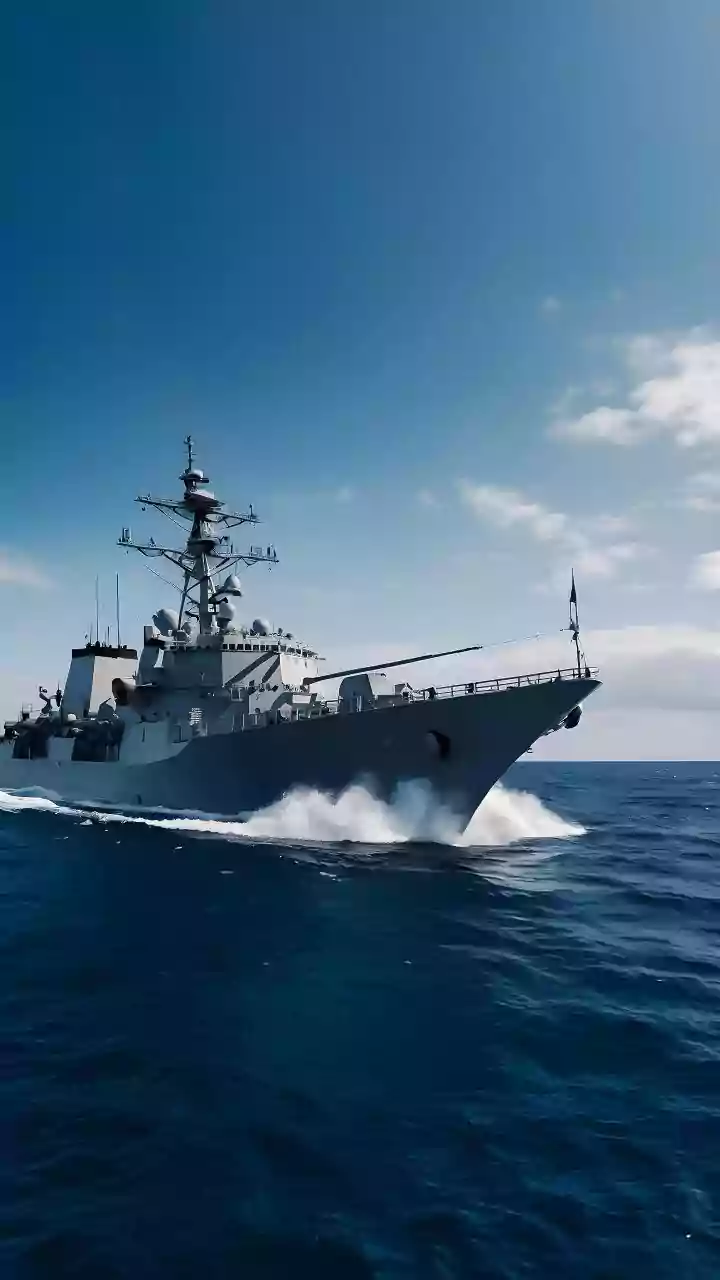
According to the Associated Press report, the US Navy is set to begin a blockade targeting ships entering or leaving Iranian ports via the Strait of Hormuz, a move aimed at reducing Tehran’s strategic leverage in the conflict.
US Central Command said the blockade would apply to vessels destined for Iranian ports, while ships travelling between non-Iranian ports would still be allowed to transit the waterway.
The Strait of Hormuz previously handled roughly 20 per cent of global oil shipments, making it a critical artery for international energy markets.
The blockade announcement triggered an immediate reaction in crude markets, with oil prices jumping above $100 per barrel amid fears of supply disruption.
Iran’s Revolutionary Guard has warned that military vessels entering the strait could face a “forceful response,” underscoring continued tensions despite diplomatic efforts by mediators including Pakistan, the European Union, Oman and Russia.
The negotiations reportedly stalled over US demands that Iran permanently abandon nuclear weapons capability, halt uranium enrichment and curb support for regional armed groups.
TRUMP CRITICISES NATO, FLAGS REVIEW OF ALLIANCE COSTS
In addition to comments on Iran, Trump also voiced dissatisfaction with NATO’s response to the conflict, arguing the alliance did not adequately support Washington despite longstanding US financial commitments.
“Well, they’re coming up, they’re gonna be coming up, but I’m very disappointed in NATO, they didn’t do this, they weren’t there for us,” Trump said.
“We pay trillions of dollars for NATO, and they weren’t there for us. Remember what I said, NATO was not there. Now they want to come up, but there’s no real threat anymore.”
Trump reiterated his longstanding criticism that the alliance primarily serves as a bulwark against Russia while relying heavily on US funding.
“We spent trillions of dollars on NATO to help them guard really against Russia. I’ve long thought it was a little ridiculous,” he said, adding that the issue would be placed under “very serious examination.”
TRUMP SAYS TWO PILOTS ‘IN VERY GOOD SHAPE’
When asked about two US pilots involved in recent operations, Trump said both personnel were recovering well.
“They are in very good shape, and we’re very proud of them, the two pilots,” he said, without elaborating on the circumstances surrounding the mission.
UNCERTAINTY OVER NEXT PHASE OF CONFLICT
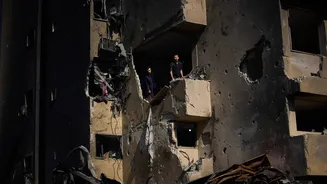
The latest developments come amid continued instability across the region, including ongoing Israeli military activity in Lebanon and broader geopolitical concerns tied to Iran’s nuclear programme.
The ceasefire reached earlier this month was intended to provide a window for diplomacy after weeks of fighting that disrupted global energy markets and damaged infrastructure across multiple countries.
Despite the breakdown in talks, officials have indicated dialogue could resume, with Pakistan offering to facilitate further negotiations.
However, Trump’s latest remarks signal Washington may continue applying economic and military pressure as leverage in any future diplomatic process.
With the Strait of Hormuz remaining central to global oil supply chains, developments in the standoff are likely to have far-reaching implications for energy markets and regional security in the coming weeks.