









Delhi’s air pollution problem is showing little sign of easing as winter sets in, with several parts of the National Capital Region continuing to record alarming Air Quality Index (AQI) levels. On November
12, Delhi’s AQI was recorded at 321 at 7 am, placing it in the very poor category, according to the Central Pollution Control Board (CPCB).
IIT Delhi recorded readings as high as 414, while NSUT Jaffarpur, ITO, North Campus and Chandni Chowk also posted numbers well above 380. Across the NCR, Gurugram hovered near 300–308, Noida around 280–287 and Faridabad and Ghaziabad stayed in the poor-to-very-poor band. Smog has settled over the region after Diwali, and with cooler temperatures and limited wind, relief is not immediate.
The situation is not limited to Delhi-NCR. Cities such as Jaipur, Lucknow and Chennai have also reported concerning pollution levels, while Mumbai and Bengaluru continue to experience fluctuating air quality.

In this environment, many people report sore throats, irritation, persistent cough and a general sense of heaviness. While the first line of defence remains reducing outdoor exposure, checking the AQI and using protective measures, a practical question follows: can everyday food choices help the body cope better during weeks of poor air?
Can Changing Your Diet Help As Air Pollution Increases?
“During the winter pollution season in Delhi, people often suffer from sore throats, throat irritation, persistent cough and a feeling of heaviness,” says Dr Sandip Banerjee, Founder of Pelvinic Micro-Hospital and a senior laparoscopic colorectal surgeon, proctologist and bariatric surgeon based in New Delhi. “While it is important to reduce exposure to polluted air and keep an eye on the Air Quality Index, there’s one important question: Can what we eat help the body better cope with this seasonal exposure?”
Here are seven practical dietary changes to consider during Delhi’s smog season.

1. Increase Your Fibre Intake To Support Gut Health
A fibre-rich diet is one of the simplest ways to support digestive health. Include vegetables, fruits, whole grains, lentils, kidney beans and chickpeas in your everyday meals.
Dietary fibre supports regular bowel movements and helps nourish beneficial gut bacteria. A healthy gut microbiome plays an important role in digestion and overall immune function.
Dr Banerjee recommends increasing fibre intake through everyday foods rather than relying on supplements or restrictive diets. A bowl of dal, seasonal vegetables, wholegrain rotis and legumes can help make meals more nutritionally balanced.
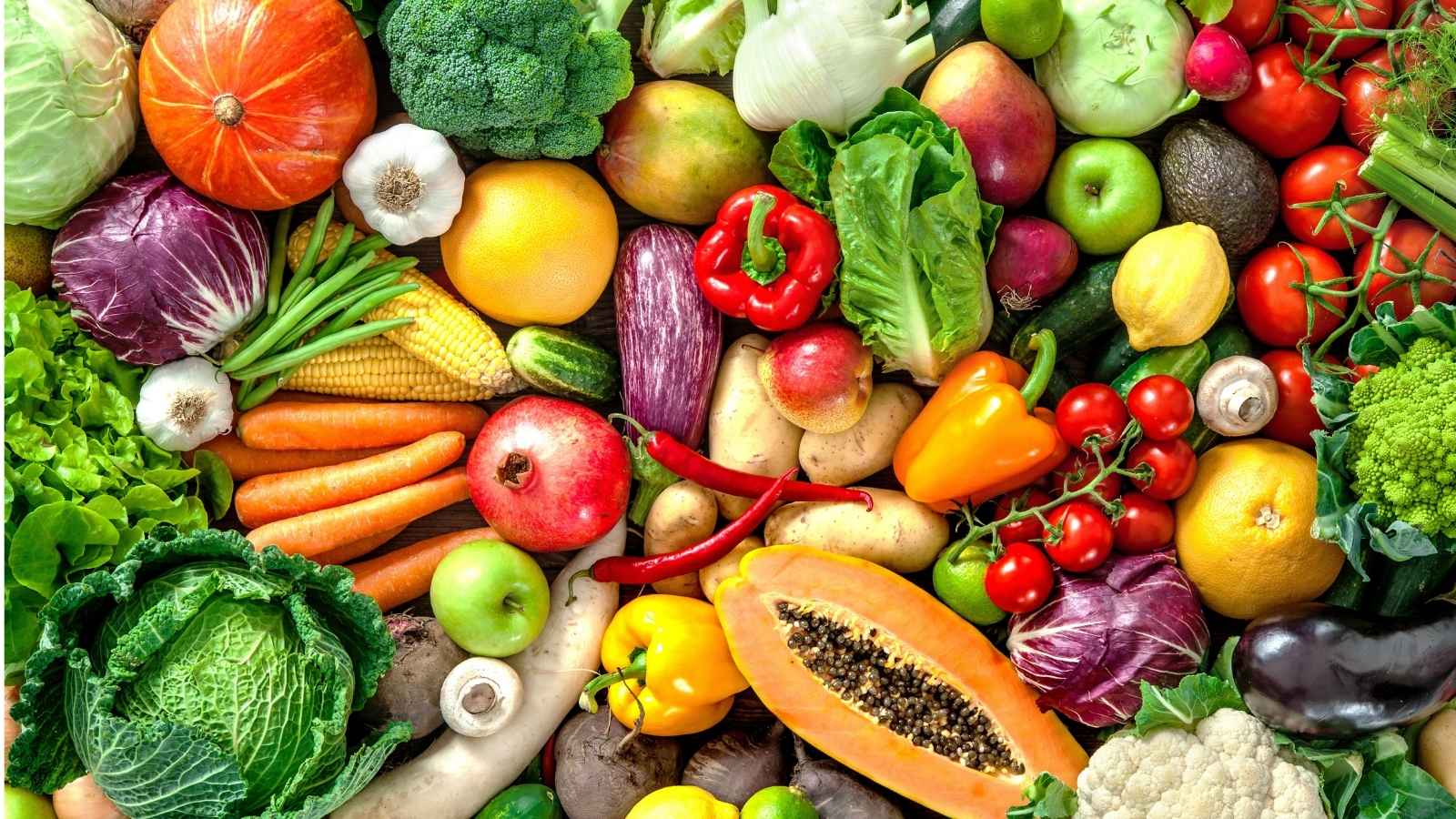
2. Eat Colourful Fruits And Vegetables For Antioxidants
Seasonal fruits and vegetables provide vitamins, minerals and antioxidants that support the body’s normal functions. A varied diet can help ensure adequate intake of nutrients involved in immune function and cellular protection.
Include amla, guava, oranges, carrots, spinach and tomatoes in your meals. These foods provide nutrients such as vitamin C, beta-carotene and other antioxidant compounds.
However, it is important to understand that antioxidant-rich foods cannot prevent the damage caused by breathing polluted air or neutralise harmful particulate matter such as PM2.5. They are part of a balanced diet, not a substitute for reducing pollution exposure.

3. Include Fermented Foods To Maintain Gut Microbial Balance
Fermented foods can be a useful addition to a gut-friendly diet. Plain yoghurt is one accessible option, as it contains beneficial microorganisms that may support digestive health.
You can include a serving of plain yoghurt with lunch or choose other fermented foods that suit your digestive tolerance and dietary requirements.
However, not everyone responds to fermented foods in the same way. People with lactose intolerance or particular digestive conditions should choose alternatives that work for them.
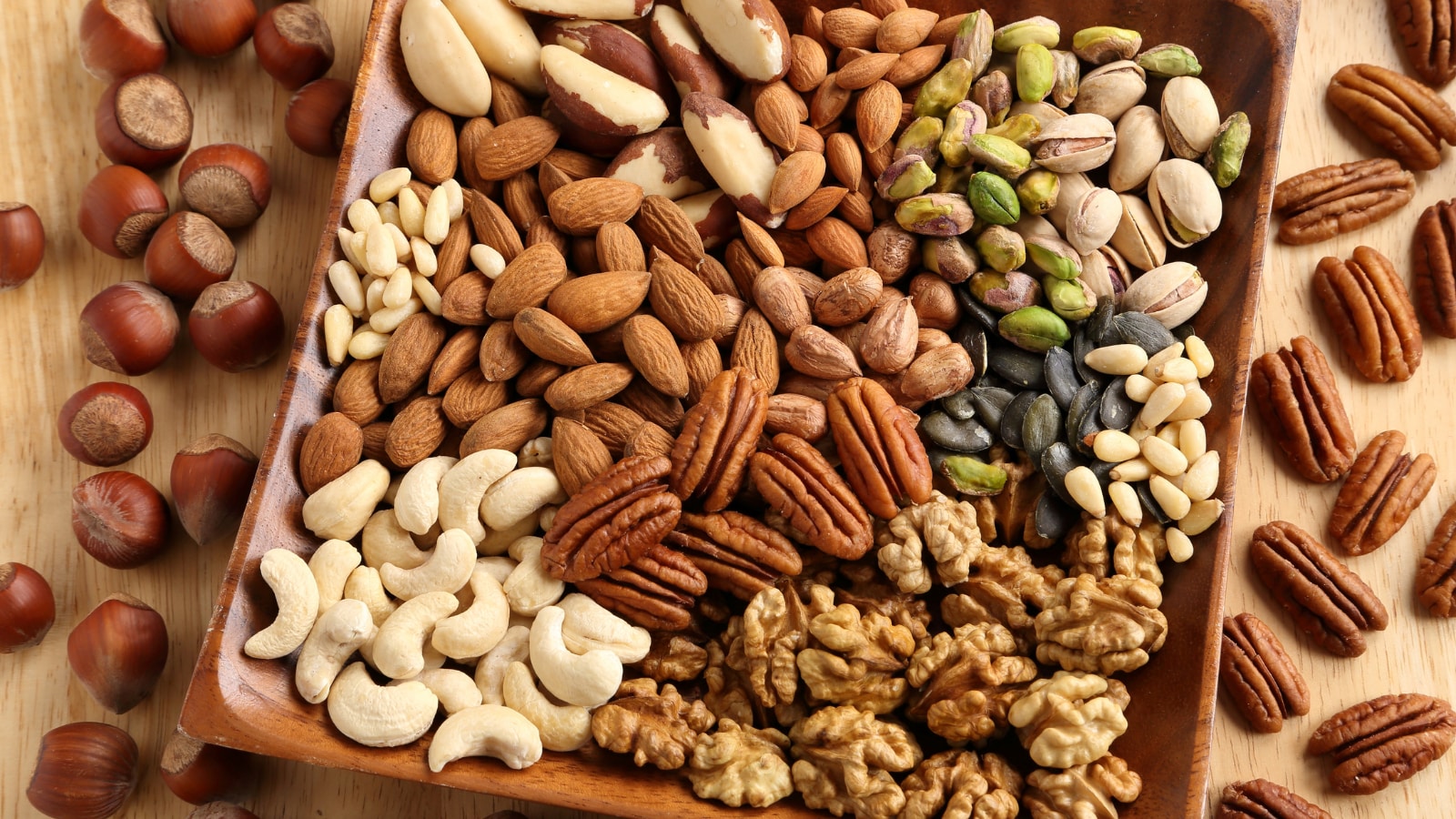
4. Add Healthy Fats Through Nuts And Seeds
Healthy fats are another important component of balanced nutrition. Walnuts, almonds and flaxseeds provide unsaturated fats, while walnuts and flaxseeds also contain plant-based omega-3 fatty acids.
These can be added to breakfast bowls, salads, porridge or everyday snacks.
Including appropriate quantities of nuts, seeds and vegetable oils can support overall nutritional balance. However, these foods should not be considered protective treatments against air pollution.

5. Stay Hydrated To Ease Throat Irritation
Pollution exposure can leave people experiencing throat dryness, irritation and discomfort. Maintaining adequate hydration can help keep the throat moist and support normal bodily functions.
Dr Banerjee recommends including water, soups and warm beverages as part of your daily routine.
Ginger or tulsi tea can also be a comforting option if you enjoy herbal drinks. However, hydration does not flush particulate pollutants out of the lungs or reverse the effects of prolonged exposure.

6. Avoid Detox Drinks And Unnecessary Supplements
The growing concern around air pollution has also encouraged several claims about detox juices, cleansing drinks and high-dose nutritional supplements.
However, there is no established evidence that these products can protect the body against PM2.5 exposure or remove pollutants deposited in the respiratory tract.
Dr Banerjee advises prioritising a balanced diet instead of depending on products marketed as pollution detox solutions.
Unless recommended by a healthcare professional for a specific nutritional deficiency or medical requirement, high-dose supplements and restrictive juice cleanses are unnecessary.

7. Prioritise Everyday Habits Alongside Nutrition
A healthy diet works best when combined with other everyday habits. Maintaining regular sleep, staying physically active when air quality permits and eating balanced meals can support overall health.
However, outdoor exercise should be restricted when pollution levels are high. Check local AQI updates before planning walks, runs or cycling sessions. On severely polluted days, consider indoor physical activity in a space with cleaner air.
Eating well during Delhi’s smog season is about supporting your gut, maintaining nutritional balance and looking after your overall health. Fibre-rich foods, colourful fruits and vegetables, fermented foods, healthy fats and adequate hydration can all contribute to a balanced daily diet.