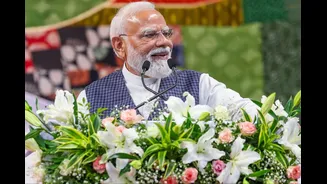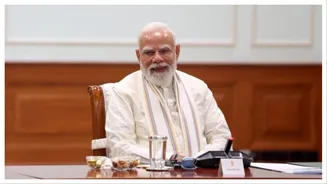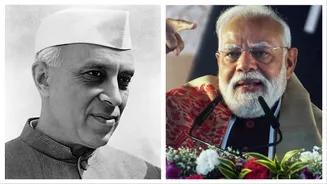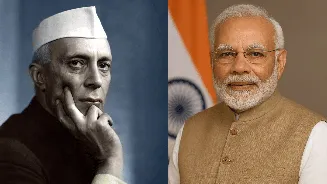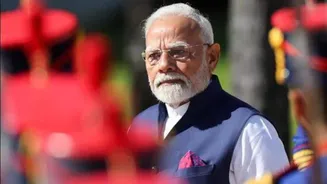








Prime Minister Narendra Modi on Wednesday became India’s longest-serving elected Prime Minister, crossing the milestone of 4,399 consecutive days in office and surpassing the record set by India’s first
Prime Minister, Jawaharlal Nehru. While his political journey has often been in the spotlight, his disciplined lifestyle and fitness routine continue to draw attention as well.
Over the years, PM Modi has consistently advocated for healthy living, emphasising yoga, hydration, and balanced nutrition in his speeches. In his Independence Day address this year, he also raised concerns about rising obesity rates in India and urged citizens to take better care of their health.
What makes his fitness routine stand out is its simplicity. There are no trendy workouts, expensive gym memberships, or extreme wellness hacks. Instead, his approach revolves around traditional practices, discipline, and consistency.
Discipline Begins Before Sunrise
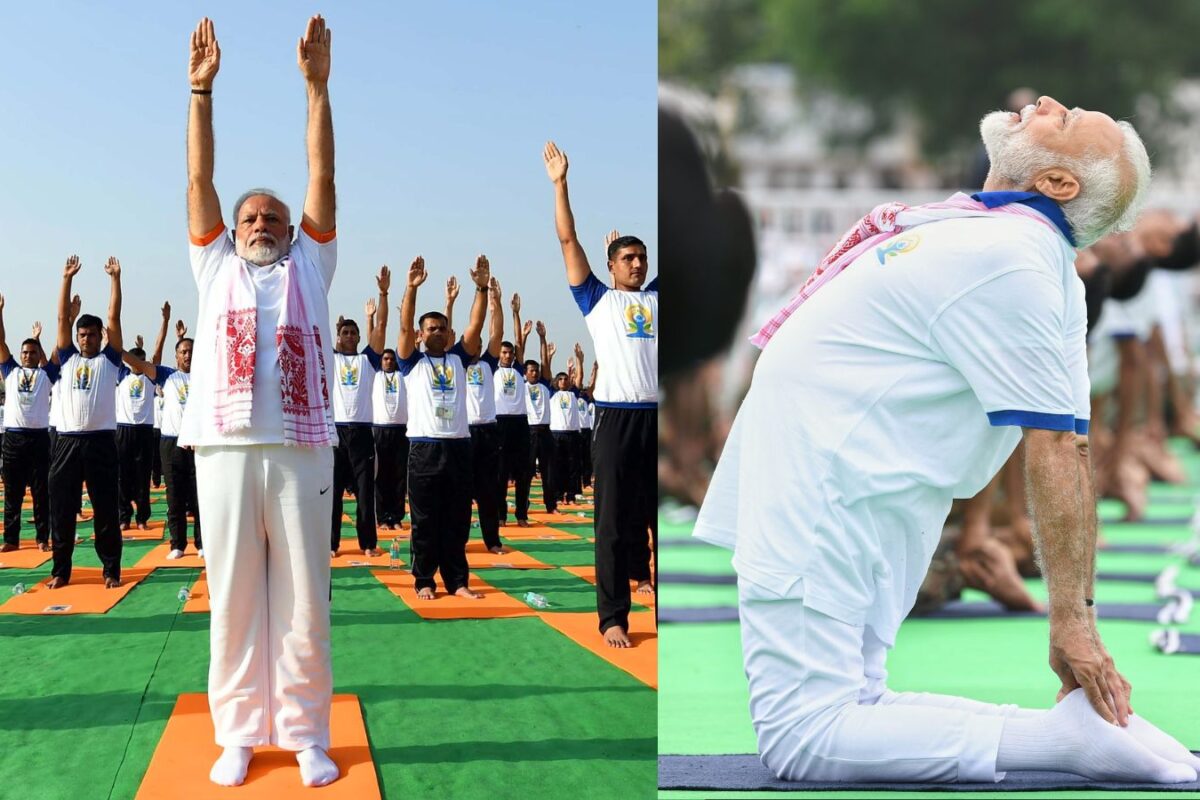
According to multiple reports, PM Modi starts his day as early as 4 AM. His mornings are typically dedicated to physical and mental wellness through a combination of walking, yoga, particularly Surya Namaskar, and meditation.
These practices are believed to help him stay physically active while maintaining focus and composure despite an extremely demanding schedule. Yoga has long been a cornerstone of his wellness philosophy, and he has frequently highlighted its benefits on global platforms as well.
A Simple, Sattvic Diet
PM Modi reportedly follows a predominantly vegetarian and sattvic diet, focusing on foods that are light, nourishing, and easy to digest.
His breakfast is often simple and traditional, featuring foods such as upma, khichdi, khakra, boiled or roasted items, and kadhi. He also starts his mornings with a cup of ginger tea.
One of the most talked-about aspects of his eating routine is his habit of finishing meals early. Reports suggest that he avoids eating after 6 PM, a practice often associated with better digestion and improved sleep quality.
The Lifelong Habit Of Fasting
In a podcast conversation with Lex Fridman last year, PM Modi described fasting as one of the key reasons behind his well-being even in his seventies.
According to the Prime Minister, fasting is not merely about abstaining from food. He views it as a practice that sharpens the senses, improves self-discipline, enhances mental clarity, and promotes greater awareness.
He revealed that he has been fasting regularly for more than five decades.
During Chaturmas, the four-month monsoon period observed in several Hindu traditions, PM Modi reportedly eats only one meal every 24 hours. He also follows strict fasting during Navratri twice a year. During one Navratri fast, he consumes only hot water, while during another, he eats just one type of fruit each day for the entire nine-day period.
Sleep, Rest And Routine
Despite his packed schedule, PM Modi is known for maintaining a strict routine. Reports suggest that he manages on around 3.5 hours of sleep a night.
His early-dinner habit and fixed daily schedule are believed to help regulate his body clock and support digestive health. While sleep requirements vary significantly from person to person, consistency in sleep timing is widely considered beneficial for overall well-being.
What Can We Learn From PM Modi’s Routine?
You don’t need to replicate every aspect of the Prime Minister’s lifestyle to benefit from some of its principles. A few habits that many people can realistically adopt include:
- Start the day with 10-15 minutes of yoga, stretching, or walking
- Choose simple, balanced breakfasts over heavy processed meals
- Avoid eating late at night whenever possible
- Consider occasional fasting (only after consulting a healthcare professional)
- Focus on consistency and discipline rather than chasing quick results
At 75, PM Modi’s fitness philosophy is built on a foundation of simplicity, self-discipline, and long-term consistency. From early morning yoga and mindful eating to decades of fasting and structured routines, his approach highlights a lesson often overlooked in modern wellness culture: sustainable health is shaped by daily habits, not occasional efforts.