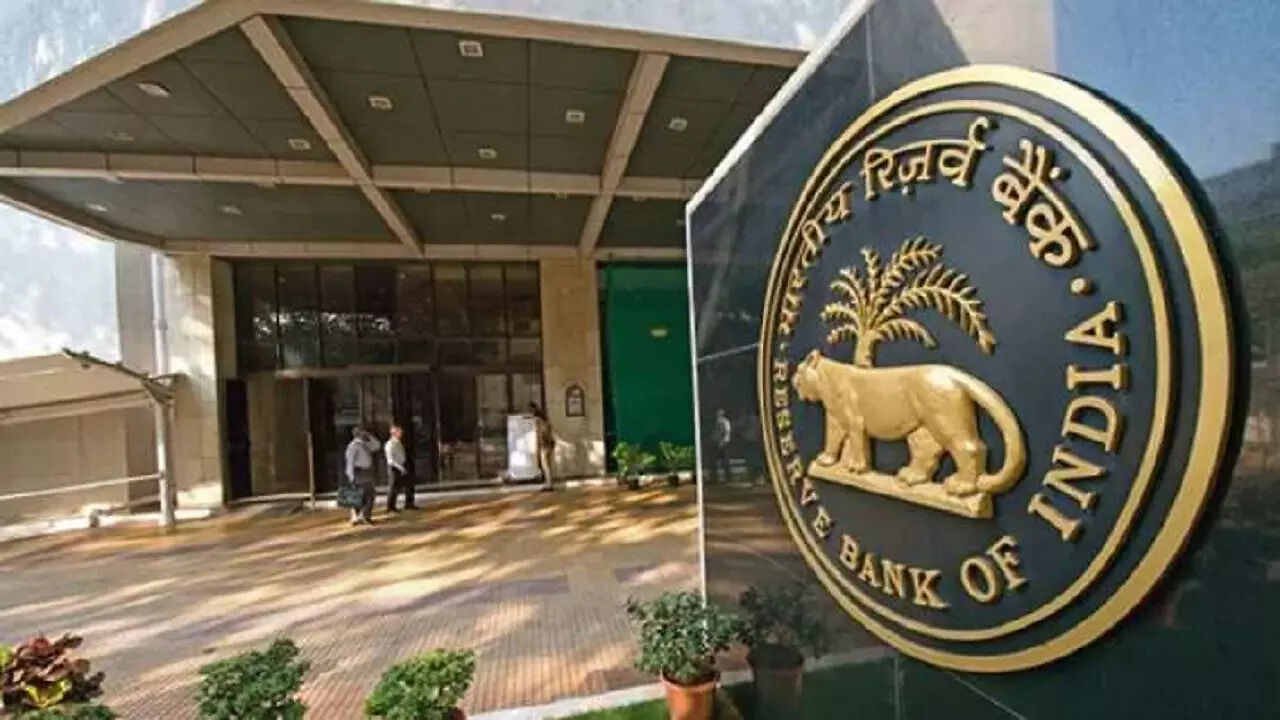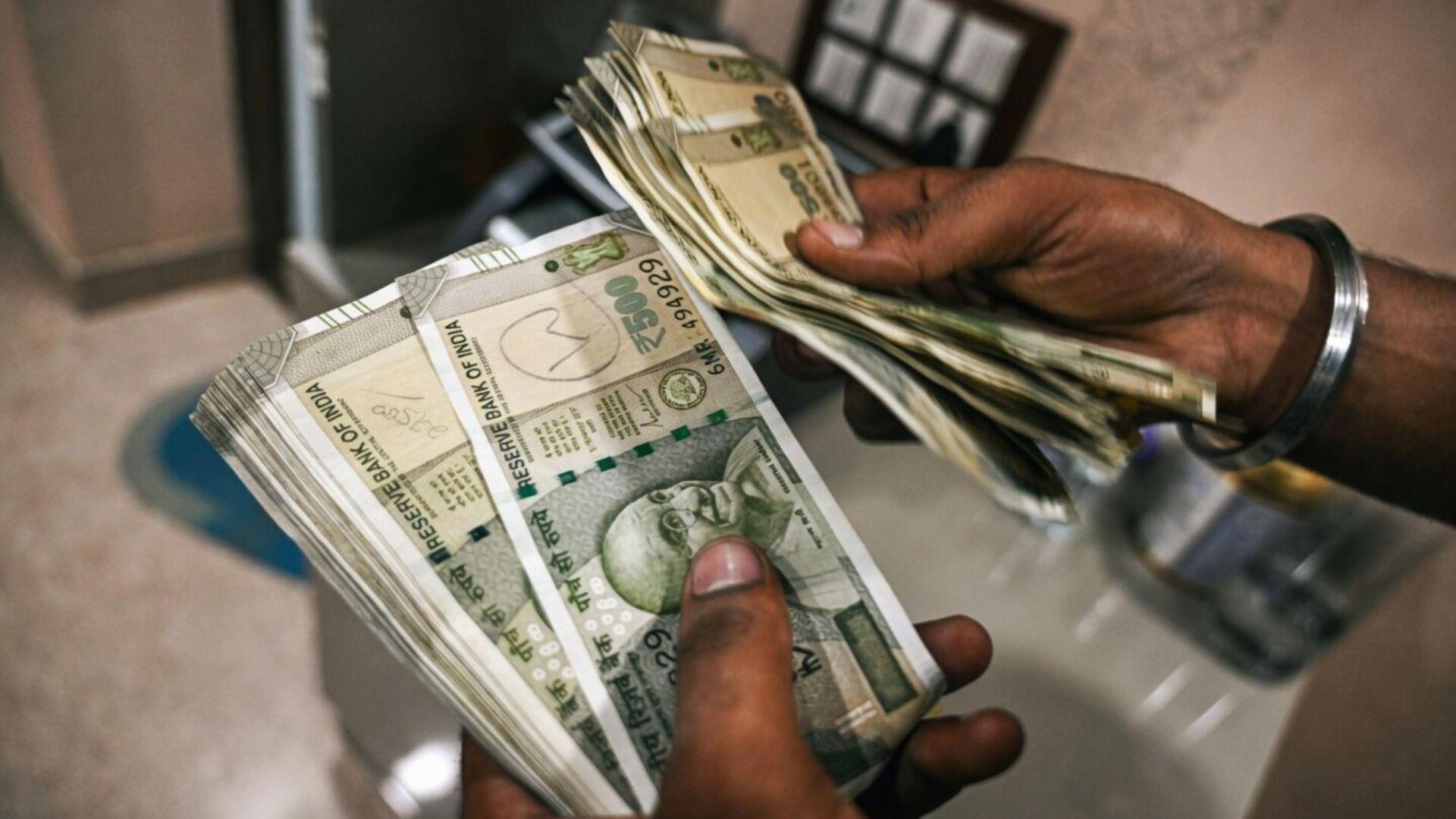








The Reserve Bank of India (RBI) has proposed a new set of digital payment safeguards that could give bank customers greater control over how their accounts are used for online transactions. The proposed changes
include options to temporarily disable UPI, set personal transaction limits and switch debit and credit cards on or off.
The draft directions, titled Preventive Safeguards for Electronic Banking Transactions, were issued on November 23. They are intended to reduce the risk of unauthorised transactions and give customers more control over their digital banking facilities.
Under the proposal, banks will have to provide customers with an option to disable individual digital payment channels linked to their accounts. These could include UPI, internet banking and mobile banking. Once a particular channel is switched off, customer-initiated debit transactions through that facility would not be permitted until the customer activates it again.
Customers would also be able to restore access through their bank’s digital or physical interfaces after completing the required authentication process.
Another important part of the proposal concerns transaction limits. Customers could establish their own maximum amount for individual transactions instead of relying only on limits prescribed by banks or payment networks.
The proposed controls also extend to beneficiary-specific payments. For instance, a customer could establish a maximum amount that can be transferred to a particular beneficiary in a day. Separate daily limits could be created for individual payment channels, while customers could also set an overall limit covering multiple digital payment methods.
The RBI has proposed time-based controls as well. This could allow customers to disable selected payment channels during specific periods and reactivate them when required.
Cardholders would receive similar options under the draft framework. Banks would need to offer facilities to switch debit and credit cards on or off and modify transaction limits. The controls would cover domestic and international transactions, including ATM withdrawals, online payments, point-of-sale transactions and contactless payments.
These changes could prove particularly useful for customers who rarely use certain payment methods. Keeping an unused payment channel or international card transaction facility disabled could reduce the opportunities available to fraudsters.
However, the proposed customer-set limits would remain subject to the overall transaction limits prescribed by the bank or payment system. Customers would be able to lower their limits, not exceed the maximum permitted amounts.
Importantly, these are not finalised rules. The RBI has invited feedback from banks, other regulated entities and the public until December 14, 2026. The final framework will be determined after considering the responses.