







West Bengal’s political landscape is witnessing fresh turbulence, with the Trinamool Congress (TMC) facing perhaps its most serious internal challenge since its crushing defeat in the 2026 Assembly elections.
Reports of rebel legislators holding meetings in Kolkata, allegations of efforts to form an “Asli Trinamool”, and growing speculation about legislators and MPs exploring alternative political options have sparked comparisons with the dramatic splits that reshaped Maharashtra politics over the last four years.
The developments have become significant enough for TMC supremo Mamata Banerjee herself to publicly acknowledge what she described as an “organised attempt” to weaken and destroy the party. Her remarks came amid mounting rumours that a section of disgruntled leaders could be exploring a breakaway formation on the lines of the Shiv Sena and Nationalist Congress Party (NCP) splits in Maharashtra.
What Is Happening Inside The TMC?
The immediate trigger for the speculation has been the emergence of rebel activity involving suspended and dissident leaders, along with reports that two TMC MLAs have been in touch with other legislators. Political circles in Kolkata have been abuzz with claims that meetings have taken place at the MLA Hostel, where discussions allegedly centred around the future of the party and possible organisational realignments.
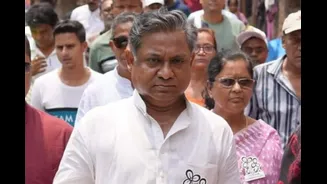
The tension escalated after the TMC expelled MLAs Sandipan Saha and Ritabrata Banerjee, accusing them of “anti-party activities”. The expulsions came amid a controversy over signatures related to legislative appointments and have been widely interpreted as the party leadership cracking down on dissent.
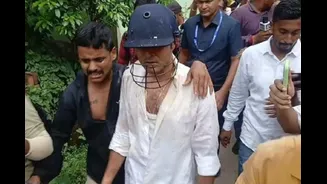
Adding fuel to the speculation are allegations made by suspended TMC spokesperson Riju Dutta, who has emerged as one of the most vocal critics of the current leadership. Dutta has repeatedly attacked the party’s top brass and claimed that serious organisational issues remain unaddressed.
Meanwhile, sources have told News18 that around 15 to 20 MLAs may be in touch with the pressure group driving a possible split in the TMC.
Why Are Comparisons Being Drawn With Maharashtra?
The comparison stems from the playbook seen in Maharashtra. In 2022, the Shiv Sena split when Eknath Shinde led a rebellion against Uddhav Thackeray, eventually securing the support of a majority of legislators. The faction was later recognised as the real Shiv Sena.
A year later, Ajit Pawar engineered a similar split in the NCP, taking a large number of MLAs with him and weakening Sharad Pawar’s control over the party.
In both cases, the rebellion did not begin with a formal announcement. It started with closed-door meetings, legislators quietly shifting loyalties, and growing dissatisfaction with the leadership. Only later did the organisational split become visible.
The current chatter in Bengal revolves around whether a similar formula could be attempted within the Trinamool Congress, particularly after the party’s electoral setback and the emergence of competing centres of influence within the organisation.
Mamata Banerjee’s Warning
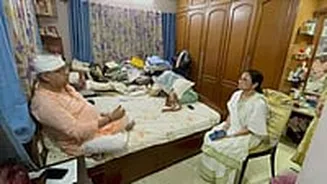
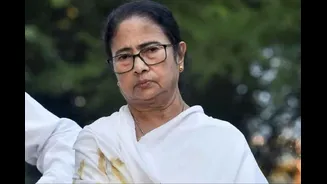
Mamata Banerjee has not dismissed the threat as mere political gossip. Addressing party workers and supporters, she alleged that there was an “organised attempt” to destroy the Trinamool Congress through pressure tactics and political engineering. She also called for protests against what she described as efforts to destabilise the party.
In another message directed at rebels, Banerjee signalled that the party would not compromise on discipline, saying the organisation was “better off without them” and stressing that the TMC’s strength came from its grassroots workers rather than individual leaders.
For a Maharashtra-style rebellion to succeed, rebels would need substantial support among legislators and organisational leaders. At present, there is no public evidence that a majority of TMC MLAs are prepared to break ranks. However, the fact that the party leadership has expelled legislators, acknowledged threats to unity, and moved aggressively against dissent suggests that concerns within the organisation are real.
If rebel leaders succeed in bringing more legislators into their camp, Bengal could witness the most significant restructuring of opposition politics since the TMC was founded.