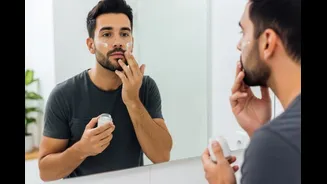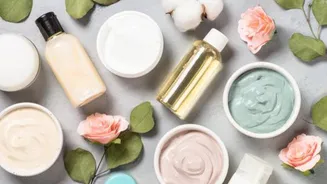








Natural kitchen ingredients can be surprisingly effective in managing pimples and promoting clearer, blemish-free skin. While they may not replace medical treatments for severe acne, simple home remedies
can help control excess oil, soothe inflammation, and support overall skin health.
“Home remedies can be helpful for mild acne if used correctly and consistently,” says Dr Akanksha Agarwal, Founder-Director and Head of Aesthetic Services, Centre for Aesthetics (CFA). “However, they should complement not replace professional treatment in moderate to severe cases.”
Honey: Nature’s Gentle Healer
One of the most trusted remedies is honey. Known for its natural antibacterial and anti-inflammatory properties, raw honey can help reduce acne-causing bacteria while calming redness.
“Applying a thin layer of raw honey as a 15–20 minute mask two to three times a week can soothe irritated skin and support healing,” explains Dr Agarwal. “It’s gentle and suitable for most skin types.”
Turmeric: Anti-Inflammatory Power
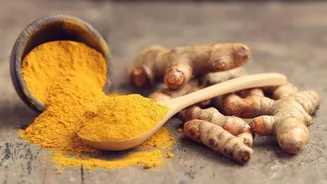
Turmeric is another powerful kitchen ingredient. Its active compound, curcumin, offers anti-inflammatory and antimicrobial benefits.
“A small pinch of turmeric mixed with yogurt or honey can work as a spot treatment,” says Dr. Agarwal. “Over time, it may help reduce swelling and lighten post-acne marks.”
She advises caution, however: “Turmeric should be used sparingly, as it can temporarily stain the skin yellow if applied in excess.”
Aloe Vera: Soothing and Hydrating
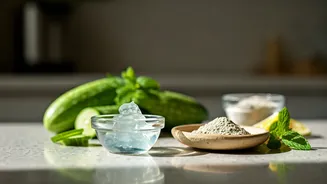
Fresh aloe vera gel is particularly effective for calming inflamed skin. It hydrates without clogging pores and can help accelerate the healing of pimples.
“A thin layer of fresh aloe vera gel applied before bedtime can reduce redness and irritation,” notes Dr. Agarwal. “Rinse it off in the morning for best results.”
Multani Mitti: Oil Control for Acne-Prone Skin
For oily and acne-prone skin, multani mitti (Fuller’s earth) mixed with rose water can help absorb excess oil and unclog pores.
“Using a multani mitti face pack once a week can help manage oil production and reduce breakouts,” says Dr. Agarwal. “But overuse may lead to dryness, so moderation is key.”
Green Tea: Antioxidant Support
Green tea, rich in antioxidants, can also benefit acne-prone skin. Cooled green tea can be gently dabbed onto the face using cotton to help reduce inflammation and regulate oil production.
“It’s a simple and accessible remedy that supports overall skin balance,” Dr. Agarwal explains.
A Word of Caution
While these remedies are natural, they are not risk-free. “Patch testing is essential before applying anything new to the face,” emphasises Dr. Agarwal. “Natural does not always mean irritation-free.”
She also highlights that skincare extends beyond topical applications. “Maintaining a balanced diet, staying hydrated, cleansing gently twice daily, and avoiding frequent touching of the face are equally important for preventing breakouts.”
Ultimately, kitchen remedies work best as part of a consistent skincare routine.
“Patience and discipline are key,” concludes Dr. Agarwal. “Clear skin is the result of balanced care not overnight fixes.”