






US Treasury Secretary Scott Bessent on Thursday warned Iran that every act of aggression against American allies in the Gulf will come at a direct financial cost, posting on X that frozen Iranian funds
would be used to offset both the damage from attacks and any tolls paid to Tehran’s contested Strait of Hormuz authority.
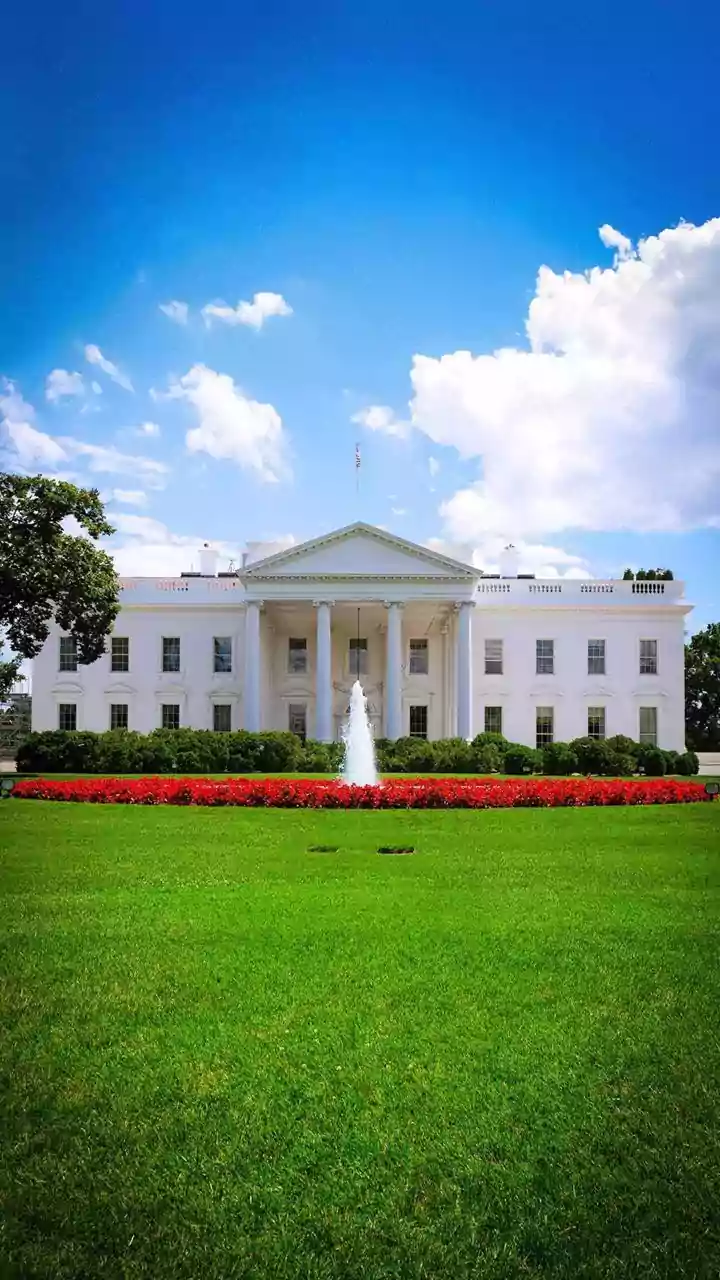
The warning arrived as President Donald Trump, speaking from the White House, said US forces would strike Iran “VERY HARD TONIGHT” after Iran launched fresh waves of attacks targeting US positions in the Middle East, with Iranian missiles reaching Kuwait and Bahrain overnight, prompting both countries to activate air defence systems.
“The Iranian regime will lose the zero-sum game it is playing. Any damage it inflicts on our allies in the Gulf will be paid for with funds extracted from Iranian accounts. Any tolls paid to the Persian Gulf Strait Authority will be offset by funds extracted from their accounts. Every attack Iran launches will only deepen the economic and financial consequences it faces,” Bessent wrote.
The Iranian regime will lose the zero-sum game it is playing.
Any damage it inflicts on our allies in the Gulf will be paid for with funds extracted from Iranian Accounts.
Any tolls paid to the Persian Gulf Strait Authority will be offset by funds extracted from their accounts.…
— Treasury Secretary Scott Bessent (@SecScottBessent) June 11, 2026
A zero-sum game, in economic and strategic terms, describes a situation in which one party’s gain comes entirely at the other’s expense, with no net value created. Bessent’s framing inverts that logic against Tehran: Washington is telling Iran that every lever it pulls, militarily or financially, will generate an equal and opposite extraction from its own frozen reserves. The message is that there is no version of this conflict in which Iran comes out ahead.
Trump told reporters in the Oval Office on Wednesday that he would “hit them hard again today,” framing the strikes as a response to Iran downing a US Army Apache helicopter.
He had earlier written on Truth Social that Iranian leaders had “taken too long to negotiate a deal,” while Iran’s foreign ministry accused Washington of “damaging the diplomatic process through the contradictory messages it sends.” Iranian President Masoud Pezeshkian said Iran “will stand firm against any pressure or threat.”
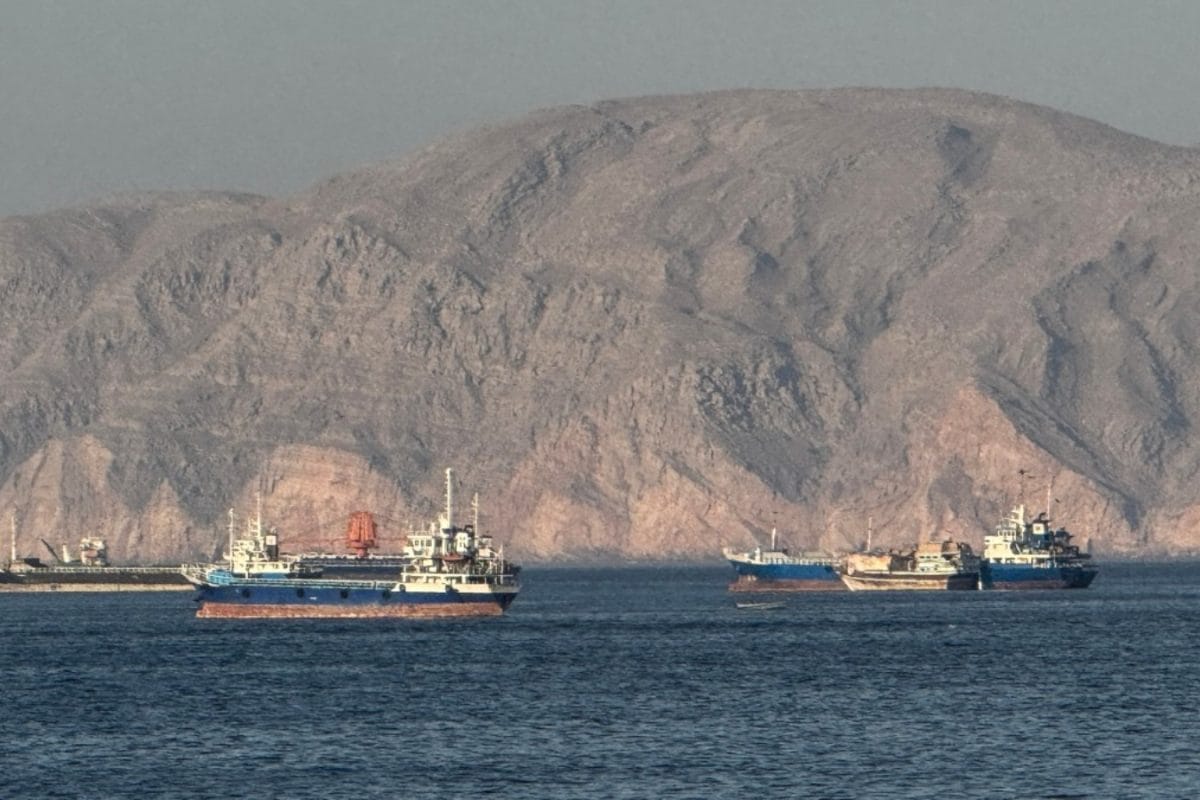
The financial pressure Bessent referenced operates through a separate but parallel track. On May 5, Iran established the Persian Gulf Strait Authority, a legal body tasked with managing transit through the Strait of Hormuz and collecting fees from vessels passing through the waterway.
The US Treasury’s Office of Foreign Assets Control sanctioned the PGSA, characterising it as a renewed attempt by the Islamic Revolutionary Guard Corps to extract revenue from its campaign of state-sponsored terrorism.
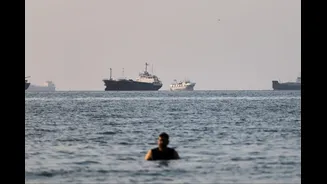
Washington warned that any entity paying the fees could face sanctions exposure, arguing they may be providing support to the IRGC. Nearly a fifth of the world’s daily oil supply passes through the Strait of Hormuz.
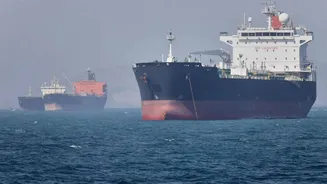
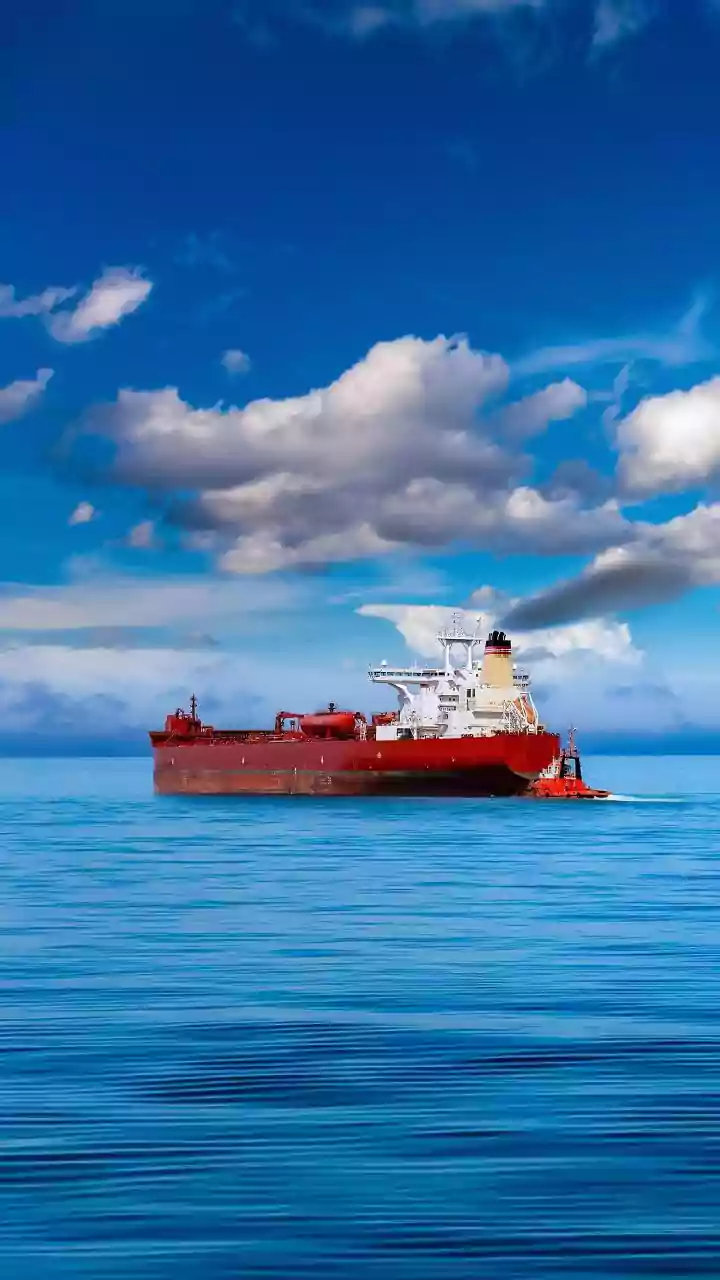
US Central Command separately confirmed it had disabled a Palau-flagged oil tanker in the Gulf of Oman after its crew repeatedly failed to comply with directions from American forces, with a US military Apache chopper firing precision munitions into the ship’s engine room.
Naval forces have disabled eight non-compliant vessels and redirected 134 ships since the start of the blockade in April.
Iran has not formally responded to Bessent’s latest post.