
As India’s wellness and rehabilitation sector expands rapidly, physiotherapy and occupational therapy have emerged as essential pillars of patient recovery. While both disciplines aim to enhance quality
of life, they differ in their therapeutic focus and outcomes. In real-world clinical settings across hospitals, sports centres, and community health programmes, patients often achieve the best results when both therapies are integrated. Understanding how each therapy contributes to recovery helps patients and caregivers make informed decisions and ensures a more holistic approach to rehabilitation.
Dr Gurpreet Singh (PT), Director of Rehabilitation and Senior Consulting Physiotherapist, Everbloom Healthcare Pvt Ltd and Dr Hemant Rohilla (OT), Head of Rehabilitation and Senior Consulting Occupational Therapist, Everbloom Healthcare Pvt Ltd share all you need to know:
Restoring Movement: What Physiotherapy Brings to Recovery
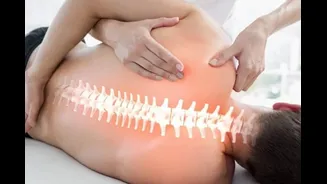
Physiotherapy primarily focuses on restoring physical function and movement. In India, where outpatient departments are heavily burdened with musculoskeletal conditions such as post-fracture stiffness, osteoarthritis, sports injuries, and post-COVID deconditioning, physiotherapy forms the backbone of rehabilitation care.
The discipline employs a range of evidence-based techniques, including exercise therapy, manual therapy, and electrotherapy modalities, to improve strength, flexibility, balance, and mobility. Patients recovering from knee replacements, ligament repairs, cervical spondylosis, or stroke often begin their rehabilitation journey with physiotherapy, as it addresses movement at its most fundamental level, muscles, joints, nerves, and biomechanics.
In many Indian hospitals, the first referral following surgery or prolonged immobilisation is to a physiotherapist, as regaining range of motion and physical stability is critical to the success of subsequent rehabilitation stages.
Relearning Daily Living: The Role of Occupational Therapy
Occupational therapy (OT) shifts the focus from movement to meaningful participation in daily life. Rather than concentrating solely on how a joint moves or a muscle contracts, occupational therapy looks at how individuals function within their real-world environments.
In the Indian context, this includes a wide spectrum of needs from helping children with developmental delays improve handwriting skills, to supporting adults with Parkinson’s disease in managing daily tasks like buttoning clothes, and assisting older adults in using adaptive devices safely at home. While physiotherapy asks, “Can the body move?”, occupational therapy answers the equally important question, “Can the person live independently?”
Occupational therapists assess sensory processing, cognition, coordination, habits, and environmental factors. As home-based rehabilitation gains traction in India’s tier-2 and tier-3 cities, OT professionals play a vital role in modifying homes, kitchens, bathrooms, workspaces, and study areas to enhance safety, reduce injury risk, and improve functional independence. Their work often bridges the gap between clinical progress and real-life success.
Why the Line Between the Two Often Overlaps
Although the distinction between physiotherapy and occupational therapy is clear in theory, clinical practice in India often reveals significant overlap. A stroke survivor may require physiotherapy to strengthen weakened limbs and occupational therapy to relearn activities such as feeding or grooming. Children with cerebral palsy benefit from physiotherapy to improve motor control and flexibility, alongside occupational therapy to develop fine motor skills, sensory regulation, and task participation.
This overlap does not indicate duplication of roles, but rather complementary expertise. Physiotherapy builds the physical capacity required for movement, while occupational therapy translates that capacity into meaningful, everyday function. As multidisciplinary rehabilitation units become standard across major Indian hospitals, collaboration between the two disciplines is increasingly replacing siloed care.
India’s Evolving Rehabilitation Ecosystem
India’s changing demographics, ageing population, rise in lifestyle-related diseases, and increasing incidence of road traffic injuries have positioned rehabilitation at the centre of healthcare delivery. Physiotherapists and occupational therapists are now integral to early intervention across ICUs, oncology wards, orthopaedic units, and paediatric centres.
With initiatives like Ayushman Bharat and various state-level healthcare schemes expanding access to post-acute care, demand for integrated rehabilitation services has surged. At the same time, urban wellness centres are seeing a growing number of individuals seeking holistic recovery rather than symptom-based treatment alone.
In this landscape, physiotherapists address mobility limitations, while occupational therapists focus on ergonomics, workplace modifications, and energy-conservation strategies, particularly relevant in a country where long working hours and digital strain are increasingly common.
The shared goal of both physiotherapy and occupational therapy is to restore independence, confidence, and meaningful participation in daily life. Movement without function, or function without physical capacity, limits true recovery. When both disciplines work together from the early stages of treatment, patients across India experience better, more sustainable outcomes.
As India’s healthcare and wellness ecosystem continues to grow, the integration of physiotherapy and occupational therapy will play a defining role in shaping rehabilitation that is comprehensive, patient-centred, and long-lasting transforming recovery from a clinical process into a genuine improvement in quality of life.