



In a city like Bengaluru, restless, creative, and perpetually hungry for the next new thing, diners are no longer searching for just a good meal. They’re searching for something harder to define and even
harder to forget. In an era of choice paralysis, where menus grow longer but experiences blur into sameness, what truly cuts through is not cuisine alone, but character.
The city’s most compelling dining spaces are moving away from generic labels like “Asian,” “Modern Indian,” or “Global Fusion,” and toward what can only be described as character-driven IP. Restaurants are no longer places you visit; they’re stories you step into. Every dish becomes a persona, every table a scene, every visit a memory deliberately engineered to linger.
Dining as Storytelling, Not Categorisation
This shift is most evident at CHA Hong Kong Eating House, which doesn’t merely compete in the crowded “Asian food” bracket, it comfortably owns the experience category. Conceptualised by Prashant Issar and Chef Sagar Sarkar of Bellona Hospitality, CHA is a deliberate move toward personality-led dining.
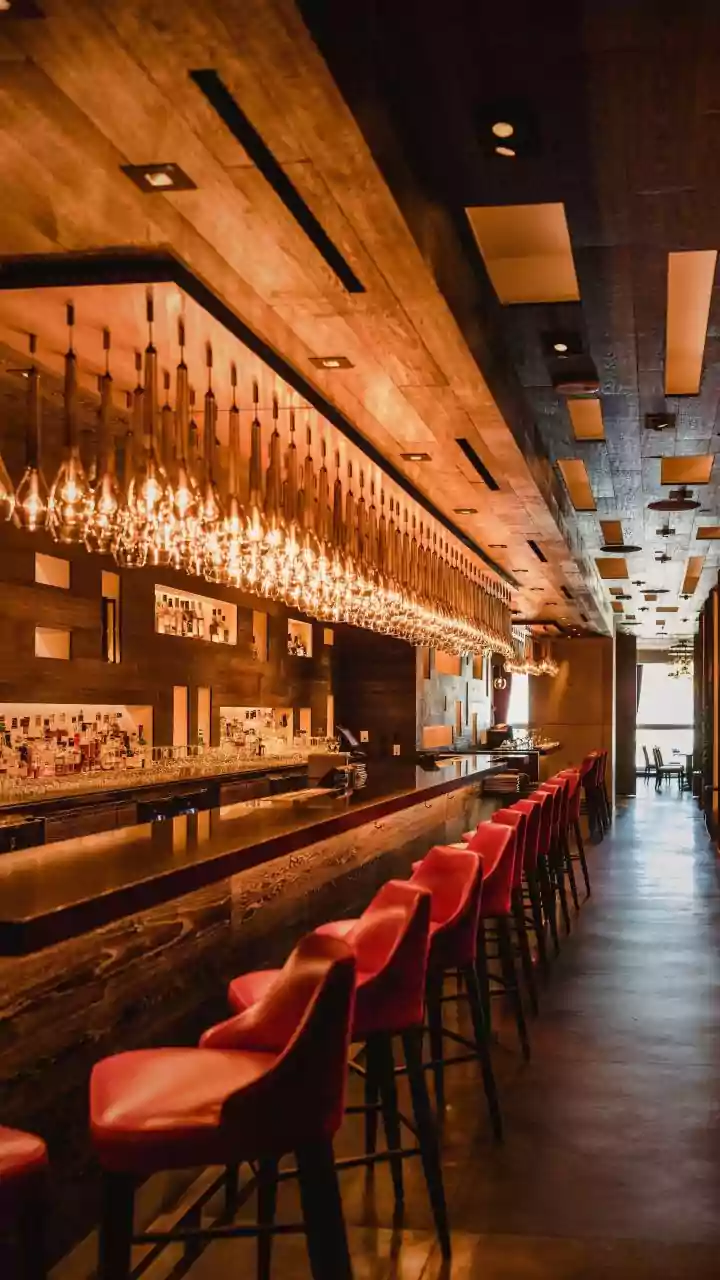
Inspired by the raw, high-octane chaos of Hong Kong’s high streets, CHA feels less like a restaurant and more like a cultural collision. Designed by Minnie Bhatt, the space mirrors the energy of a bustling Cantonese tea house, informal, kinetic, and unapologetically urban. Its relocation to Church Street is equally strategic, tapping into Bengaluru’s deep-rooted discovery culture and positioning itself not as a convenience stop, but as a return-worthy anchor.
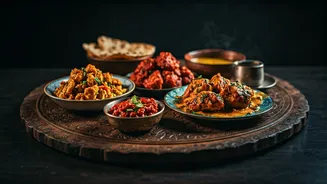
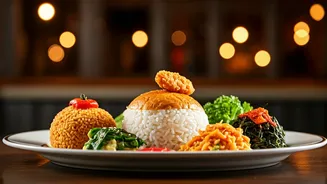
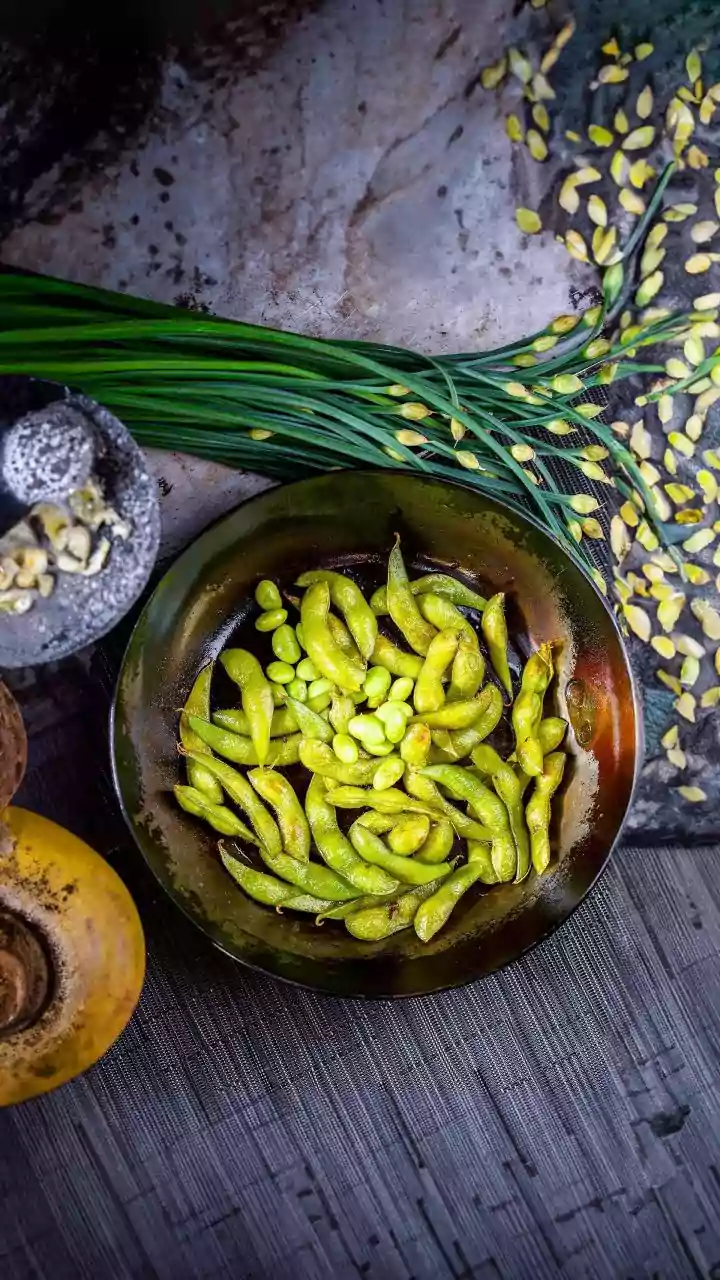
Here, the conversation shifts from what you’re eating to who you’re eating. The menu reads like casting notes for a culinary ensemble: The Umami Godfather leads quietly with earthy authority, while The Fancy Snack That Knows It struts with truffle-laced confidence. There’s Pure Drama in fiery dragon rolls and Shanghai dumplings, and cult-favourite Icons like Har Gao and prawn dimsum dolls that arrive with their own fan following. Even comfort shows personality, wonton bowls deliver “city-style soul,” while baos arrive as little treasures packed with global attitude.
CHA understands something crucial about Bengaluru diners in 2026: flavour is expected, but memory is earned.
When Luxury Stops Whispering and Starts Roaring
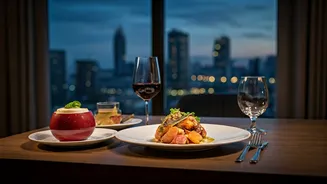
If CHA represents polished personality, The Filthy Animal embodies its feral counterpart. Conceptualised as a rebellion against predictable luxury dining, this month-long, after-dark pop-up by Chef Vivek Salunkhe transforms Nalapad’s Hotel Bangalore International into a theatrical dining arena where excess is the point.
This is personality-led dining in its most primal form. Every element from lighting and service to menu language is designed to feel cinematic, provocative, and emotionally charged. Fine dining rules are not bent here; they’re openly challenged. Luxury doesn’t whisper. It roars.
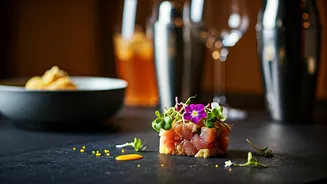
The menu reads like a rogue gallery of culinary beasts. Wagyu of the Sea plays the silent assassin, Rich Kid Benedict dominates the table with caviar-crowned arrogance, while The Quacker revels in unapologetic indulgence. Lamborghini is built for speed, and Steak of the Universe collapses sky, sea, and earth into one plate of pure excess. These dishes don’t just feed you, they perform for you.
The New Measure of Success
What connects CHA and The Filthy Animal is not cuisine, price point, or even format but intent. Both understand that in a city driven by curiosity and cultural appetite, relevance comes from emotional recall. Bengaluru diners in 2026 won’t remember what category a restaurant belonged to, but they’ll remember how it made them feel, what they told their friends, and why they want to return.
As the city’s dining scene evolves, character is becoming the sharpest differentiator. Restaurants that treat themselves as living narratives rather than static menus are the ones shaping what comes next. In Bengaluru, the future of dining isn’t being plated. It’s being performed.