




With the India Meteorological Department projecting a ‘below normal’ southwest monsoon for 2026 amid the influence of El Niño, Mumbai may soon face water cuts as civic authorities move to conserve existing
reserves. Officials from the Brihanmumbai Municipal Corporation (BMC) said the proposed curbs are intended to ensure the city’s current water stock lasts at least until the end of August, particularly if rainfall arrives late or remains inadequate.
An initial cut of 5% to 15% is being considered and could come into effect from May 1, with an announcement expected this week, officials said. The move comes amid falling lake levels, rising temperatures and concerns that higher evaporation during the summer could further strain water availability.
Why Mumbai Is Considering A Water Cut
Unlike many cities, Mumbai does not have an independent local water source and depends entirely on seven lakes for potable supply. These are Tulsi Lake, Vihar Lake, Bhatsa Dam, Tansa Lake, Modak Sagar, Upper Vaitarna Dam and Middle Vaitarna Dam.
Located across suburban Mumbai and satellite districts including Thane, Nashik and Palghar, these reservoirs are replenished during the monsoon and support the city’s year-round water needs.
According to civic data, the combined storage capacity of all seven lakes is 14,47,363 million litres. As of Monday, April 27, total water stock stood at 28.79%, or 4,16,714 million litres.
The BMC currently supplies 3,850 million litres daily (MLD), against an estimated demand of 4,300 MLD, leaving an existing shortfall of 250 MLD, as reported by The Indian Express.
Officials said that if water continues to be supplied at full capacity, current reserves may last only until the end of July. The proposed cut is aimed at stretching supplies through August, when the lakes are typically expected to receive substantial replenishment.
Why El Niño Is Adding To Concern
The looming concern is linked closely to El Niño, which is often associated with weaker monsoon rainfall in India. Officials noted that during El Niño years, June, July and August often receive lower rainfall, while temperatures tend to remain elevated.
That combination raises two concerns: delayed replenishment of lake storage and faster evaporation due to heat. Civic officials said both factors have informed the decision to prepare for precautionary restrictions now rather than wait for a sharper crisis later.
One official said the intention is to ensure water reserves remain sufficient until rainfall improves, so the city does not face a full-fledged shortage before the monsoon strengthens.
What Is El Niño And Why Does It Matter?
El Niño is a climate phenomenon in which sea surface temperatures in the central and eastern Pacific Ocean become unusually warm. It is part of the broader El Niño–Southern Oscillation system, which has two main phases: El Niño, the warming phase, and La Niña, the cooling phase.
In India, El Niño often weakens southwest monsoon winds and has historically been linked to below-average rainfall. Previous weak monsoon years, including 2015 and 2023, were influenced by El Niño conditions.
That backdrop has made this year’s forecast particularly significant for a city as water-dependent as Mumbai.
Heatwave Conditions Add To Pressure
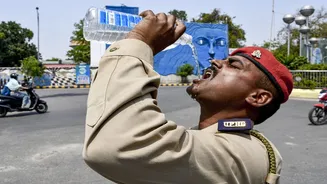
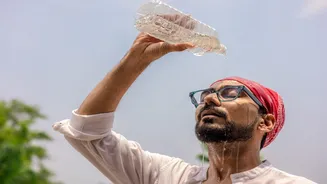
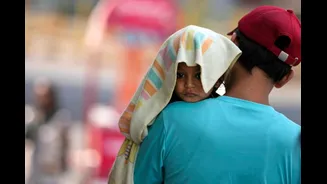
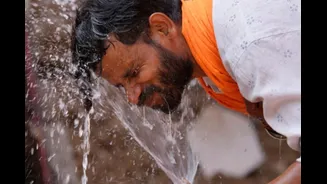
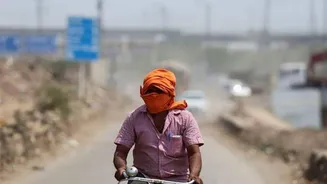
Compounding the concern is the city’s prolonged spell of high temperatures. Mumbai has already experienced multiple heatwave episodes between March and April this year, intensifying fears around evaporation losses from reservoirs.
Officials said the heat is one reason the civic body is looking at conservation measures earlier than usual.
Water Cuts Already Used In Recent Years
This would not be the first time the civic body has turned to water cuts to manage dwindling reserves. In July 2023, the BMC imposed a 10% cut after lake levels dropped below 10% following poor rainfall. That same year, the civic body sought additional water allocation from state-controlled reserves, citing emergency conditions.
Again in May 2024, another 10% cut was imposed when water stock in the lakes fell below the 10% mark.
Officials say the current proposal follows a similar precautionary logic, though they hope early action may help avoid more severe restrictions later.