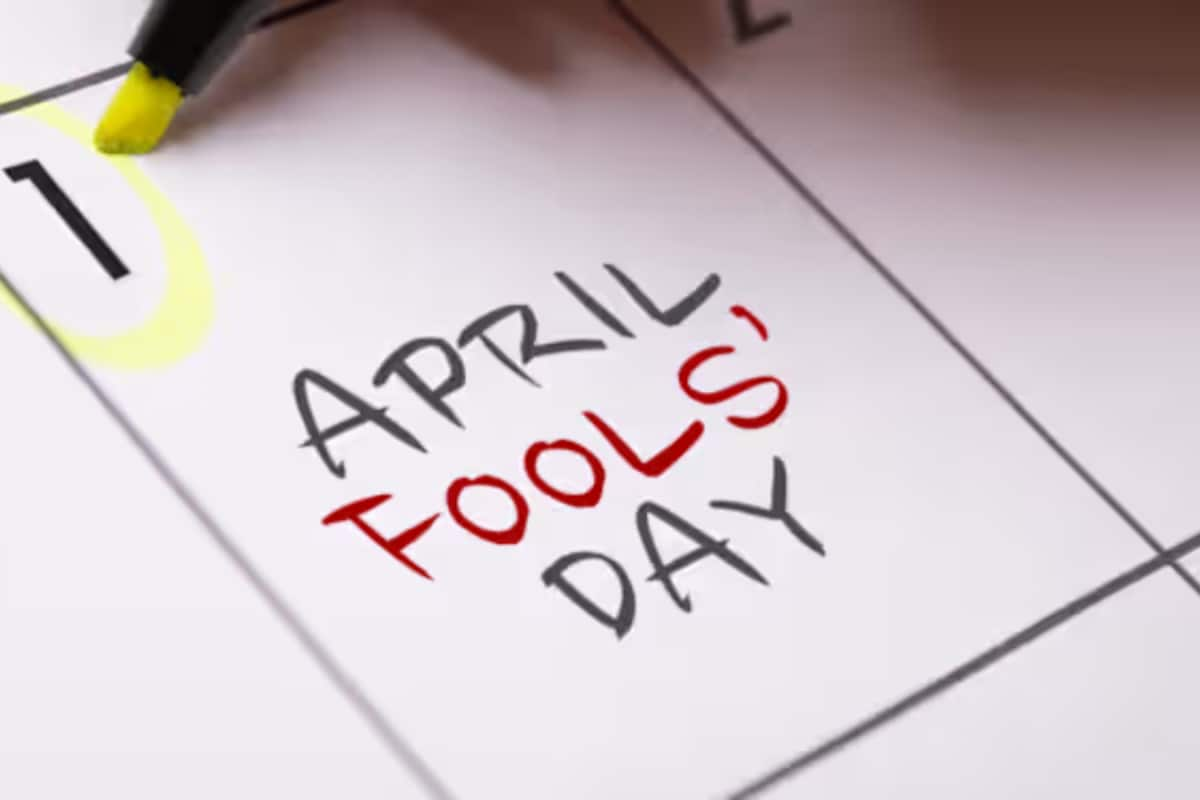








There was a time when April Fool’s Day meant switching the sugar with salt, fake “your shoelace is untied” alerts, and harmless office pranks that ended in laughter, not HR emails.
In 2026, the joke feels…
complicated.
We live in an era where misinformation spreads faster than truth, where deepfakes blur reality, and where a “prank” can spiral into outrage within minutes. And yet, April 1 refuses to fade. If anything, it’s evolved, less about tricks, more about collective relief.
Because let’s face it: we need the laugh.
The Shift from Mischief to Mindfulness
Today’s April Fool’s isn’t just about fooling someone, it’s about not going too far. The modern prank comes with an unspoken checklist:
Is it kind? Is it reversible? Will it offend someone? Will it go viral for the wrong reasons?
What used to be instinctive is now curated.
And maybe that’s not a bad thing.
The best pranks in 2026 aren’t shocking, they’re clever. They don’t humiliate, they surprise. They don’t divide, they create a shared moment of “Oh wow, you got me.”
Brands, Virality, and the Business of Being Funny
April Fool’s has also become a playground for brands. From fake product launches to bizarre collaborations, companies now compete for the internet’s attention.
In India, brands like Zomato and Swiggy have turned April Fool’s into a high-stakes creative exercise, dropping mock menu items, absurd features, and tongue-in-cheek announcements that are designed to go viral within minutes.
But here’s the catch: audiences are sharper than ever.
A lazy prank is ignored. A tone-deaf one is dragged. Only the smartest, most self-aware campaigns land. The message is clear, humour today requires emotional intelligence.
And in many ways, that reflects us as a society.
Why We Still Show Up for the Joke
So why does April Fool’s still matter?
Because in a world that feels increasingly heavy, the idea of a day dedicated to lightness, even manufactured lightness is comforting.
It gives us permission to not take everything seriously. To laugh at ourselves. To be briefly fooled and be okay with it.
Because maybe the real joy isn’t in tricking someone.
It’s in that split second of surprise, followed by laughter, that reminds us: not everything has to be real to feel good.
The New Rule of April Fool’s
If there is one rule that defines April Fool’s today, it’s this:
Be funny. Not foolish. And perhaps that’s the evolution we didn’t know we needed.