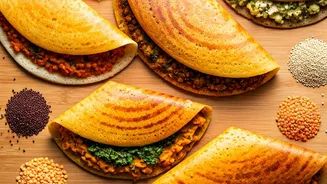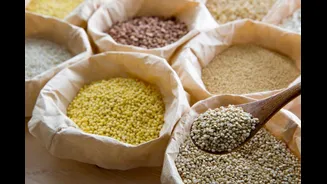






For the past few years, millets have enjoyed a remarkable glow-up. Once considered humble staples in many Indian homes, grains like bajra, jowar and ragi are now being marketed as modern superfoods—pitched
as the answer to everything from weight loss and diabetes to better digestion and heart health.
Governments have promoted them, nutritionists recommend them, and grocery store shelves are packed with millet-based alternatives.
Yet many people who have enthusiastically swapped rice or wheat for millets often end up asking the same question: “If millets are so healthy, why am I not seeing the benefits?”
The answer is simple: adding millets to your plate does not automatically make your diet healthier.
Like most “healthy foods,” millets work best when consumed correctly—and can disappoint when misunderstood.
Millets Are Not Magic
There is no doubt that millets are nutritionally impressive. Research published on PubMed
confirms that millets are rich in dietary fibre, plant protein, antioxidants, and important minerals such as iron, calcium and magnesium.
Some studies also suggest they may help improve blood sugar control and support metabolic health when included as part of a balanced diet.
But that phrase—part of a balanced diet—is the key. Millets are not medicine. They cannot cancel out an otherwise poor eating pattern.
One of the most common mistakes people make is overcorrecting. After hearing about millet benefits, many replace nearly every grain in their diet with millets—rotis, breakfast bowls, snacks, and even desserts.
Millets are healthy, but they are still carbohydrates. Eating too much can increase overall calorie intake and may not support goals like weight loss if portions are not managed.
Nutrition experts generally recommend dietary diversity—not dependence on a single “healthy” grain. Your millet may be too processed.
A Millet Biscuit Is Still A biscuit
Not all millet foods are created equal. Millet cookies, millet chips, millet noodles and packaged millet breakfast mixes may sound healthy—but many are ultra-processed and loaded with added salt, sugar or unhealthy fats.
If your millet mostly comes from packets rather than your kitchen, you may be eating more marketing than nutrition.
How You Cook Millets Matters
Millets naturally contain compounds called anti-nutrients, such as phytates, which can reduce the body’s ability to absorb certain minerals like iron and zinc.
That sounds alarming—but traditional cooking methods solve much of the problem. Research shows that soaking, fermenting, sprouting or properly cooking millets can significantly reduce these anti-nutrients and improve nutrient absorption.
In other words, how you cook your millet matters almost as much as eating it.
Millets Work For Many, But Not Necessarily For All
Some varieties contain compounds called goitrogens, which may interfere with iodine uptake when consumed in excess—something people with thyroid concerns may need to discuss with a doctor or dietitian.
Others may find millets harder to digest initially because of their high fibre content, especially if introduced too quickly.
A healthy food can still feel unhealthy if your body is not ready for it.
What Your Millet Replaces Matters
Swapping refined white rice for a millet bowl can improve fibre intake. But replacing a balanced meal with a plain millet dish may not.
Health outcomes depend on the whole plate—protein, vegetables, healthy fats, hydration and portion balance—not just one ingredient. Millets can improve a diet. They cannot build one by themselves.