






The eyes are among the most vital yet delicate organs in the human body. They constantly work to process visual information and help us navigate the world around us. Despite their importance, they are often
subjected to significant strain, especially in today’s fast-paced, screen-driven lifestyle.
Many everyday habits, though seemingly harmless, can have long-term consequences for vision. Digital eye strain, excessive screen time, poor hydration, and neglecting proper eye protection are just a few factors that can gradually impact eye health.
With increasing dependence on digital devices for both work and leisure, the risk of developing eye-related issues due to prolonged screen exposure is rising. Simple actions like rubbing your eyes when tired or not staying adequately hydrated may appear insignificant, but over time, they can cause considerable harm.
Dr Chilukuri Sharat Babu, Chief Medical Director, Sharat Maxivision Eye Hospitals, highlights eight common habits that may be damaging your eyes and offers insights on how to correct them for long-term eye health.
1. Excessive Screen Time
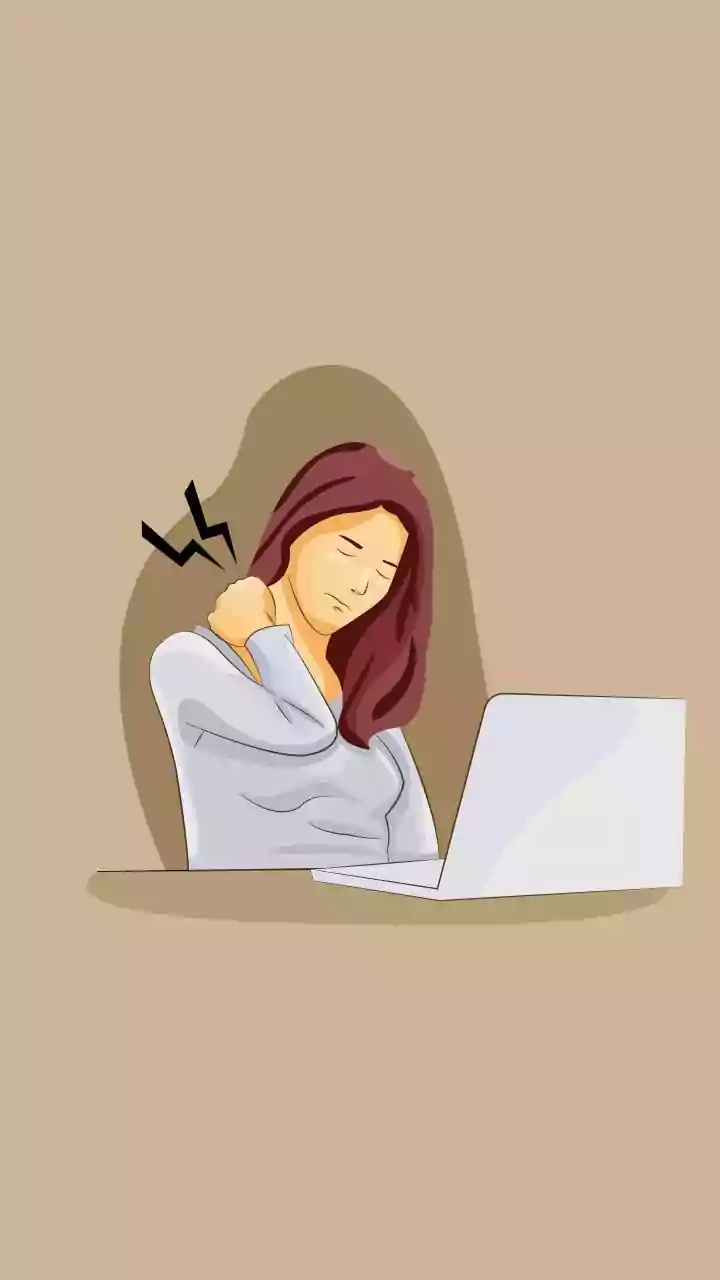
In today’s digital world, screens are unavoidable. However, prolonged screen use can lead to digital eye strain, causing symptoms such as dry eyes, blurred vision, and headaches. Additionally, exposure to blue light from screens can disrupt sleep cycles.
2. Skipping Sunglasses
Failing to protect your eyes from harmful ultraviolet (UV) rays can lead to long-term damage. Extended exposure increases the risk of cataracts, macular degeneration, and even eye cancer.
3. Rubbing Your Eyes Frequently
Rubbing your eyes when they feel tired or irritated may seem harmless, but it can cause damage over time. It introduces bacteria and dirt, increasing the risk of infections. Continuous pressure can also harm the cornea and contribute to conditions like keratoconus, where the cornea becomes cone-shaped.
4. Poor Contact Lens Hygiene
Improper care of contact lenses can seriously compromise eye health. Not cleaning lenses properly or using contaminated solutions can introduce harmful microorganisms, leading to infections such as microbial keratitis. Wearing lenses for longer than recommended can also reduce oxygen supply to the cornea, causing dryness and irritation.
5. Skipping Regular Eye Exams
Routine eye check-ups are essential for detecting conditions that may not show early symptoms, such as glaucoma, diabetic retinopathy, and age-related macular degeneration. Missing these exams can delay diagnosis and treatment, increasing the risk of vision loss.
6. Inadequate Hydration
Dehydration can lead to dry eyes, discomfort, and blurred vision. When the body lacks sufficient water, tear production decreases, causing irritation. Maintaining proper hydration is essential for overall eye comfort and health.
7. Lack of Sufficient Sleep
Your eyes need rest to recover and function properly. During sleep, they are rehydrated and restored. Chronic sleep deprivation can lead to dry eye syndrome, fatigue, and a higher risk of ocular surface disorders.
8. Poor Nutritional Choices
A lack of essential nutrients can accelerate eye ageing and increase the risk of degenerative conditions. Diets low in antioxidants such as vitamins A, C, and E, as well as omega-3 fatty acids, can negatively impact retinal health. A balanced diet is crucial for maintaining good vision.
The Bigger Picture
The cumulative impact on your eyes is rarely due to a single issue, it is the result of multiple daily habits that often go unnoticed.
The most effective way to protect your vision is through prevention. Simple steps such as regular eye check-ups, maintaining good visual hygiene, eating a balanced diet, staying hydrated, and getting adequate sleep can significantly reduce the risk of long-term eye problems.
As modern lifestyles continue to evolve, awareness of eye health is more important than ever. Taking small, consistent steps today can help preserve clear and healthy vision for years to come.