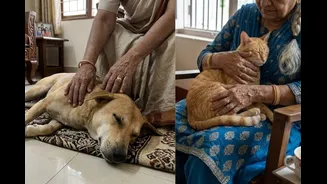










“I never thought I would talk to a cat more than to my own son,” says 64-year-old Kamla Devi from Kochi, her voice softening as she strokes her ginger cat, Moti. “After my daughters moved out of the house,
the house became so quiet it felt heavy. Then Moti came into my life two years ago. Now my days have a rhythm waking up to feed him, sitting with him on the balcony in the evening, even telling him about my day.”
Across urban India, stories like Kamla Devi’s are becoming more and more common. As traditional joint families dissolve and younger generations move away for work, a growing number of senior citizens are turning to pets for emotional support, routine, and unconditional companionship.
India’s elderly population (aged 60 and above) now constitutes over 10% of the total population and is projected to reach nearly 347 million by 2050. With 18.7% of elderly women and 5.1% of elderly men living alone, loneliness has emerged as a serious concern. In this shifting landscape, pets particularly dogs and cats are quietly stepping in as new family members.
How Are Pets Becoming Emotional Anchors For India’s Elderly?
For many older adults, pets bring back something retirement and empty homes often slowly remove: routine.
In Gurugram, a retired couple who now live with both a Labrador and an adopted indie cat say their home feels emotionally fuller despite their children living in different countries. Their mornings begin with dog walks, meanwhile evenings revolve around feeding schedules, grooming and playful chaos between the two pets. The couple describe the animals as emotional buffers that prevent the home from feeling “too quiet”.
Adnaan Khan, Founder and CEO of K9 School, says, “India is witnessing a silent but powerful shift where pets are increasingly becoming emotional anchors for the elderly.” He explains that, “Dogs, in particular, provide non-judgmental companionship while also encouraging structure through feeding routines, walks and regular engagement.”
Mental health experts say predictable routines often help elderly individuals maintain emotional stability, mobility and motivation, particularly after retirement or bereavement.
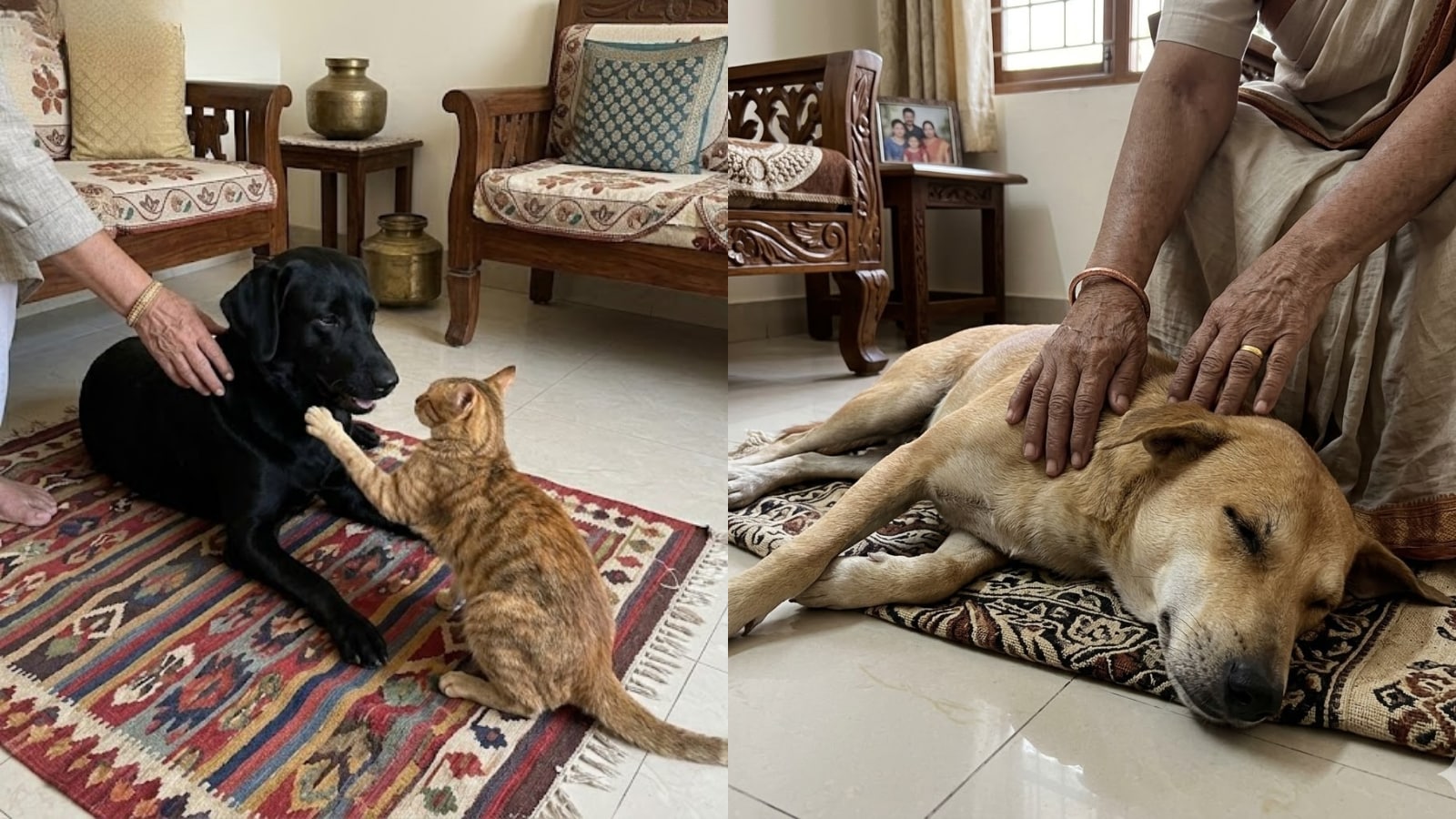
Dr Pavitra Shankar, Associate Consultant in Psychiatry at Aakash Healthcare Dwarka, notes, “Pets fulfil deep psychological needs for connection, routine, and acceptance. The bond often goes beyond words, helping alleviate loneliness, anxiety, and mild depressive feelings.”
In Noida, a recently retired couple adopted an Labrador puppy earlier this year. What began as a hesitant decision soon changed for Nisha and Kishor- his daily routine entirely. Their mornings now revolve around short walks, training sessions and scheduled feeding times.
What Are the Mental and Physical Benefits of Having A Pet?
Pet companionship provides structure to the day, reduces stress hormones through touch, and encourages social interaction with other pet owners. These real-life experiences align with expert observations that pets can significantly improve mental well-being and motivation among seniors.
Cats, in particular, are becoming popular among seniors seeking quieter companionship. Their lower-maintenance nature and calming presence often suit elderly households where mobility may be limited. Dogs, on the other hand, encourage movement, routine and outdoor activity.
Adnaan adds, “What makes this bond so unique is that dogs provide non-judgmental companionship. They bring structure to daily life—morning walks, feeding routines, and engagement—which is critical for both mental and physical well-being in older adults. We’ve seen countless cases where elderly individuals rediscover purpose, improve mobility, and even reduce anxiety simply through consistent interaction with their pets.”
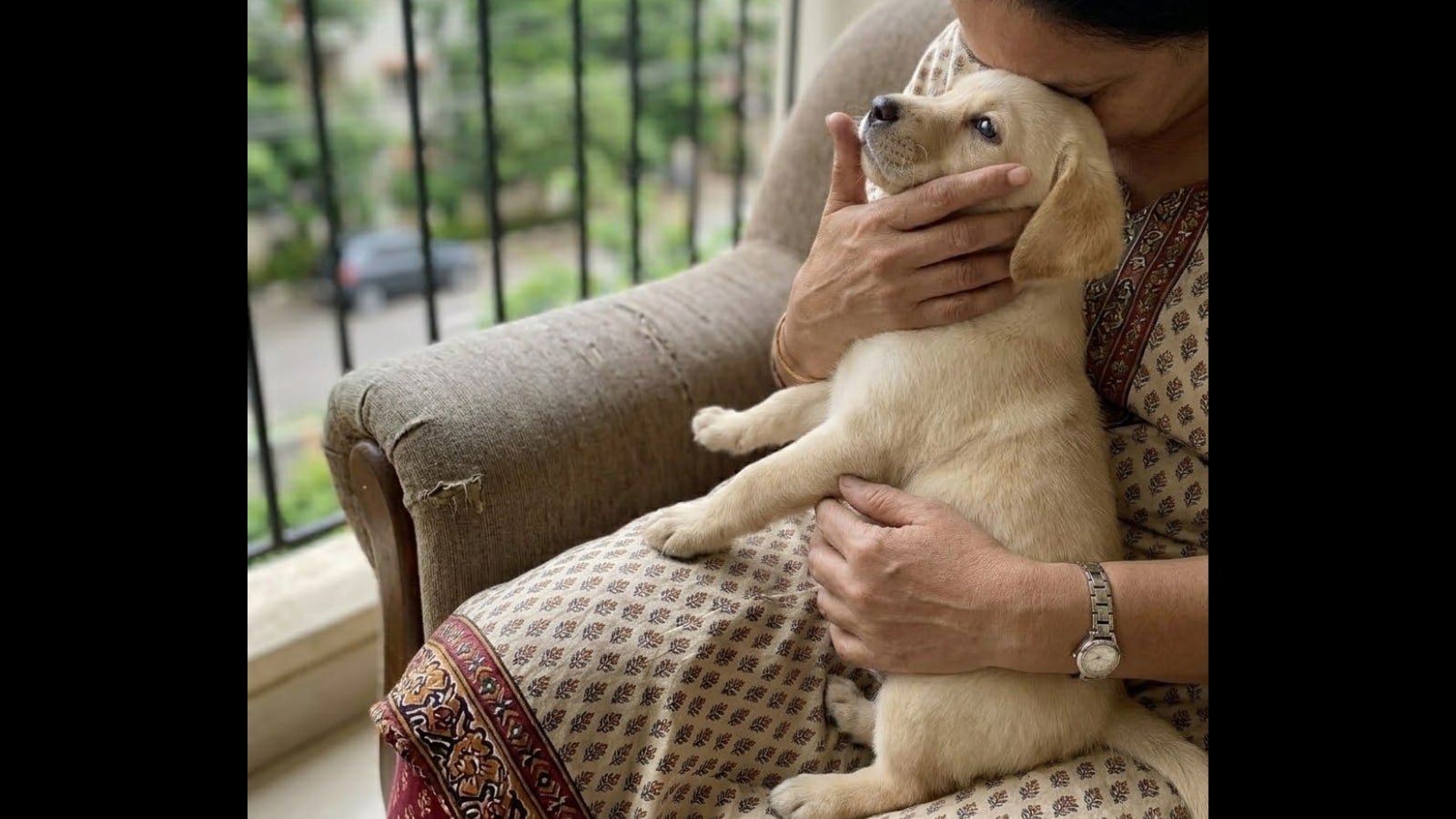
As conversations around mental health and ageing continue evolving in India, pets are becoming part of a larger emotional support ecosystem for older adults. They offer companionship without judgement, routine without pressure and affection without conditions.
Dr Shankar adds, “Mentally, pet company can play a very important role in alleviating the symptoms of loneliness, anxiety and even a minor degree of depressive feelings. Raising an animal adds order to everyday life: feeding routines, walks, grooming, etc., which can make one feel more responsible and motivated. Also, tactile stimulation, i.e. petting, was found to reduce stress hormones and induce emotional relaxation. Pets also provide elderly people with a social facilitator, who may discuss and interact with their neighbors or fellow pet owners, which indirectly increases social interactions.”
Are There Challenges to Consider?
Experts emphasise responsible ownership. Khan says, “Choosing the right breed, investing in basic training, and ensuring family support are vital, especially considering the physical and financial realities of ageing.” Dr Shankar notes, “It is worthwhile to think of the practical side like the physical capability of the person, the financial capability and even the long term care of the pet. Pets can be a worthy source of emotional support when selected carefully and allow elderly people to find a new companion, alleviate psychological stress, and live more full lives later in their lives.”
Beyond individual comfort, pets often become bridges between generations. A well-cared-for dog or cat frequently draws younger family members into more frequent visits and shared conversations.