



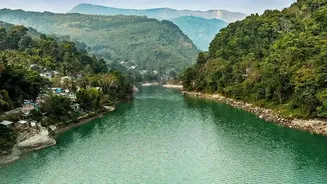
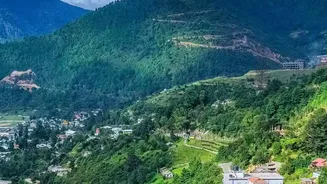
Meghalaya has officially entered the global travel conversation, and we have a feeling your 2027 holiday calendar is about to get a little more interesting. The northeastern state has been named among
the 20 best places to travel in 2027, making it the only Indian destination on the list.
The recognition comes from BBC Travel, which highlighted Meghalaya’s centuries-old living root bridges, sacred forests, indigenous communities and growing focus on community-led tourism. It also drew attention to the state’s plans to support the creation or upgrading of 1,000 community-run homestays ahead of the 39th National Games in March 2027.

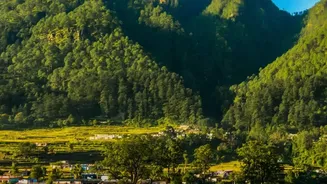
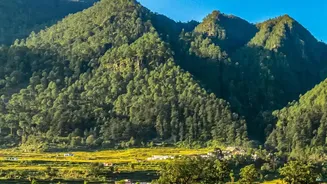
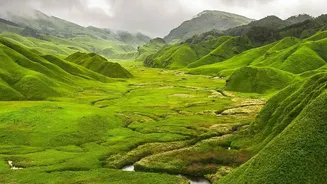
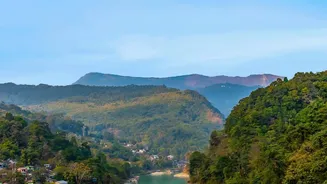
And honestly, Meghalaya doesn’t need much convincing. Think emerald-green hills disappearing into the clouds, waterfalls cascading down dramatic cliffs, rivers so clear they almost look unreal and villages where age-old traditions continue to shape everyday life. But this isn’t a destination to speed through with a checklist and a camera. The best way to experience the Abode of Clouds is to give it time.
So, if you’re planning a holiday, here’s a seven-day itinerary that takes you through some of its most memorable landscapes and cultural experiences, with an option to extend the trip to 10 days.
Your 7-Day Meghalaya Travel Itinerary
Day 1: Arrive In Shillong And Ease Into The Hill Life
Your Meghalaya adventure begins with a drive from Guwahati to Shillong, the state’s capital. The journey itself sets the mood, with winding mountain roads, stretches of greenery and cool air replacing the bustle of the city. Once you arrive, check into your hotel or a local homestay and spend the rest of the day exploring Shillong at an easy pace.
Start with a walk around Ward’s Lake, take in the architecture of the Cathedral of Mary Help of Christians and make your way to Police Bazaar for a taste of the city’s lively street scene. Shillong is often called India’s rock music capital, and its cafés, music venues and independent creative culture give it a personality that goes well beyond its scenic setting. Keep the evening free for a leisurely meal and some local food.
Day 2: Explore Mawphlang’s Sacred Forest And The Landscapes Around Shillong
Swap the city streets for an ancient forest and head to Mawphlang Sacred Grove. Protected by the Khasi community through traditional beliefs and customary practices, this forest is a remarkable example of conservation rooted in indigenous knowledge. Expect moss-covered trees, dense vegetation, ferns and an atmosphere that feels almost otherworldly.
Take a guided walk through the grove to understand its cultural significance and the customs that protect it. Visitors are expected to respect the forest’s traditions, including not removing anything from the sacred space. If time permits, add a visit to the scenic Laitlum Canyons for sweeping views of the surrounding hills and valleys. Return to Shillong for the evening.
Day 3: Head To Sohra For Waterfalls, Caves And Dramatic Cliffs
Today is all about Meghalaya’s spectacular natural scenery. Drive towards Sohra, also known as Cherrapunji, a region famous for its heavy rainfall, deep valleys, caves and waterfalls. Begin with Nohkalikai Falls, one of the state’s most dramatic cascades, plunging from a great height into a striking pool below.
Continue to Nohsngithiang Falls, popularly known as Seven Sisters Falls, where multiple streams descend along a vast cliff face. You can also explore Arwah Cave, known for its limestone formations and fossils, and stop at the Mawkdok-Dympep Valley Viewpoint for panoramic views. Keep your camera ready, but don’t forget to simply take in the landscape. Meghalaya has a way of making even the most enthusiastic photographer put the phone away for a moment.
Day 4: Trek To The Double-Decker Living Root Bridge At Nongriat
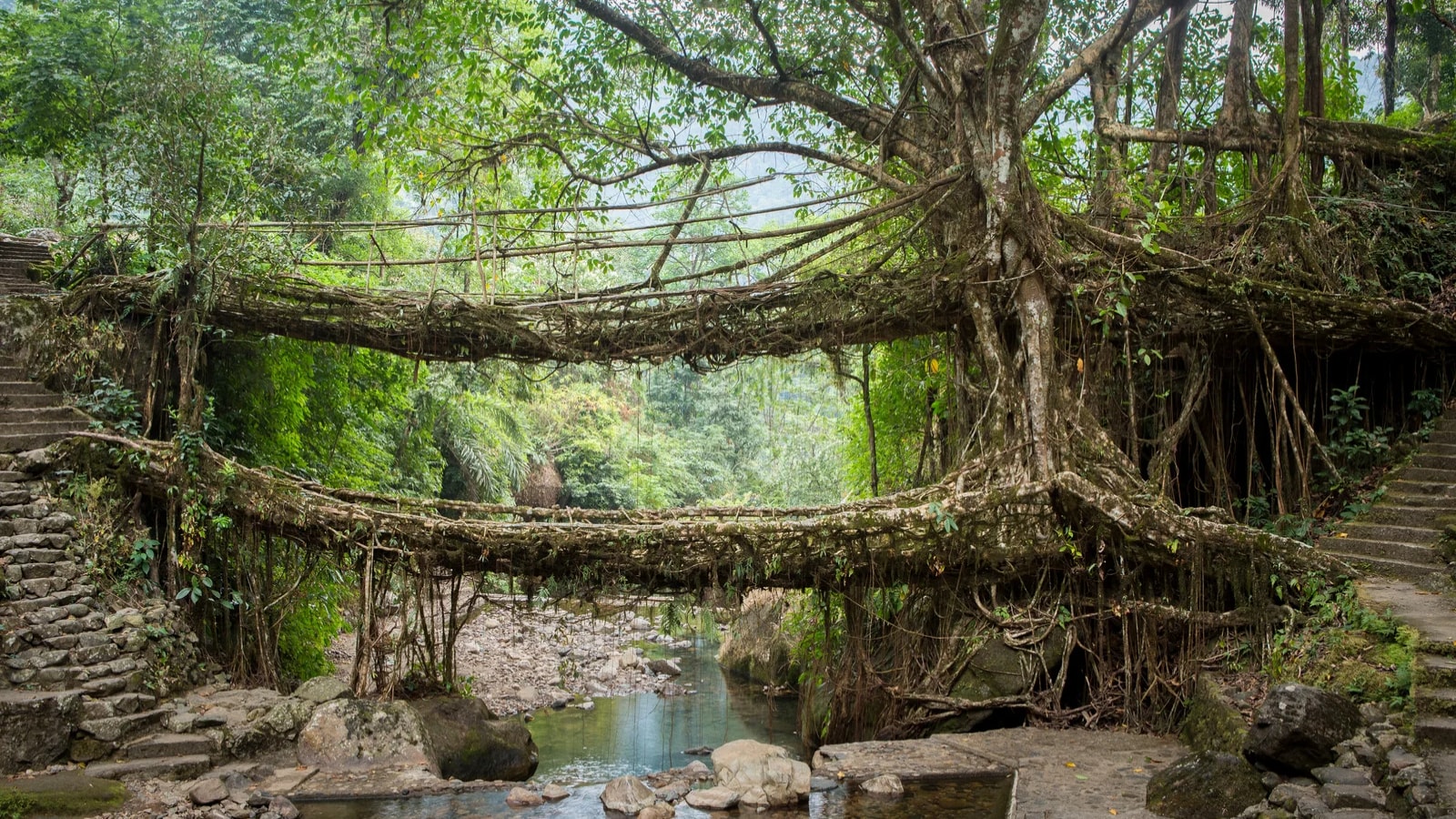
This is the day for your walking shoes. The double-decker living root bridge at Nongriat is one of Meghalaya’s most extraordinary attractions and a major reason the state has caught the attention of international travellers. Created over generations by guiding the aerial roots of rubber fig trees across streams and gorges, these bridges are remarkable examples of indigenous engineering and a deep relationship with nature.
The trek begins at Tyrna village and involves a long descent down stone steps into a lush valley. It is physically demanding, so start early, carry enough water and wear shoes with a good grip. Once you reach Nongriat, spend time exploring the bridge and its surroundings. If your schedule allows, stay overnight at a local homestay instead of rushing back.
Day 5: Discover The Clear Waters Of Dawki And Shnongpdeng
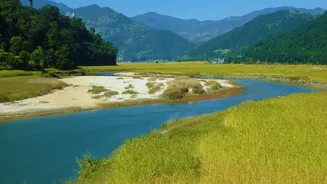
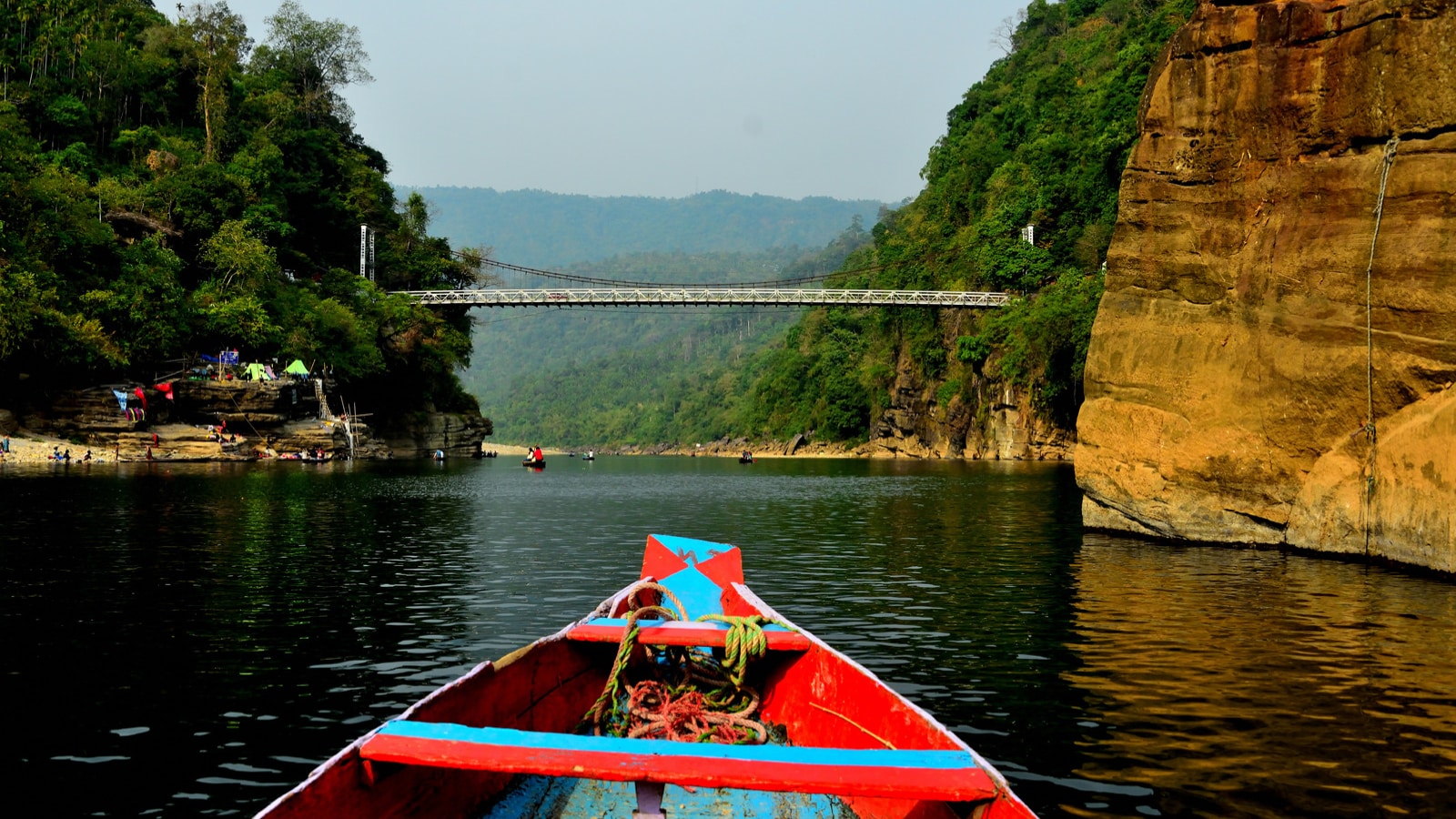
After the forest trails and waterfalls, it’s time for a change of scenery. Head towards Dawki and Shnongpdeng, known for the Umngot River and its remarkably clear waters. On days when the water is calm and visibility is good, boats appear to float above the riverbed, creating the kind of scene that makes you question whether you’re looking at a photograph or the real thing.
Spend time by the river, take a boat ride or try activities such as kayaking, depending on local conditions and availability. Shnongpdeng is also a lovely place to slow down and experience village life.
Day 6: Visit Mawlynnong And Explore The Jaintia Hills
Begin the day at Mawlynnong, a village known for its community-led cleanliness initiatives and lush surroundings. Take a walk through its narrow lanes, admire the traditional homes and explore the local viewpoints. The village offers a glimpse into how community participation can shape a destination’s identity and visitor experience.
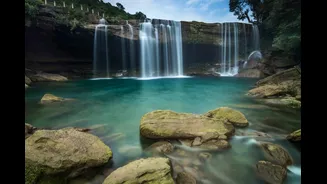
Continue towards the Jaintia Hills, where you can visit Krang Suri Falls, known for its turquoise pool and forest setting, and Nartiang, home to an important collection of monoliths associated with the region’s history.
Day 7: End With Umiam Lake Before Heading Back
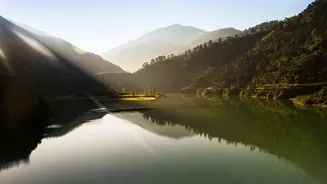
Save the final day for one last dose of Meghalaya’s scenic charm. Umiam Lake, located north of Shillong, is surrounded by green hills and makes for a lovely final stop before heading back towards Guwahati. You can enjoy the views, take a lakeside walk or explore available boating activities.
If your flight or onward journey is later in the day, leave enough time for the drive to Guwahati. And if there’s one thing this week will probably have taught you, it is that Meghalaya deserves more than a hurried weekend escape.
Have 10 Days? Add The Garo Hills To Your Meghalaya Itinerary
If you have three extra days, use them to explore the Garo Hills, a part of Meghalaya that offers a different landscape and cultural experience from the more frequently visited Khasi Hills. It is also home to Nokrek Biosphere Reserve, recognised by UNESCO for its biodiversity.
Day 8: Travel To Tura And Explore The Garo Hills
Make your way towards Tura, the principal town of the Garo Hills. The journey takes you through changing landscapes, with forested stretches and quieter settlements along the way. Settle into a local stay and spend the evening getting acquainted with the region’s food and culture.
Day 9: Trek Through Nokrek Biosphere Reserve
Set aside a full day for Nokrek Biosphere Reserve. Its dense forests are home to rich biodiversity, including the endangered hoolock gibbon. The reserve is also known for the rare wild citrus fruit, Citrus indica, locally called memang narang. Explore with an authorised local guide and follow designated routes. Wildlife sightings are never guaranteed, but the forest itself makes the experience worthwhile.
Day 10: Experience Local Hospitality Before Your Departure
Use your final day to explore the surrounding communities, learn about Garo traditions and discover local handicrafts. If possible, arrange a community-led experience or stay at a locally run homestay. These encounters offer a more meaningful way to understand the region than simply passing through it. From here, plan your onward journey according to your departure point and transport connections.
What To Eat In Meghalaya
A Meghalaya holiday should come with a generous appetite. Khasi cuisine is full of distinctive flavours and traditional preparations, with rice, pork, fermented ingredients and local produce featuring prominently. Try jadoh, a popular rice dish traditionally prepared with meat, and dohneiiong, a pork preparation cooked with black sesame. Tungrymbai, made using fermented soybeans, is another local speciality worth sampling.
Look out for Lakadong turmeric from the Jaintia Hills, celebrated for its rich colour and flavour. You can also ask your homestay hosts about seasonal ingredients and traditional dishes prepared in their kitchens. Food is one of the most rewarding ways to experience a place, and in Meghalaya, there’s plenty to discover beyond the familiar restaurant menu.
When Is The Best Time To Visit Meghalaya?
The best time depends on the kind of holiday you’re after. October to April is generally a popular window for sightseeing, trekking and road trips, with more manageable weather conditions. November is particularly appealing if you want to experience Shillong’s Cherry Blossom Festival, when the city gets a seasonal wash of pink and white blooms alongside music and cultural performances.
The monsoon months, from June to September, bring lush landscapes and powerful waterfalls, but heavy rainfall can affect road conditions, trekking routes and travel plans. If you’re planning a monsoon visit, keep your itinerary flexible and check local weather advisories before heading out.
With its place among the world’s 20 best travel destinations for 2027, the Abode of Clouds has every reason to be on your list. Just remember to give it enough time. Seven days will introduce you to its magic; 10 days might make you want to stay longer.