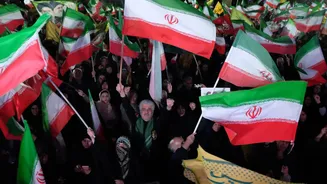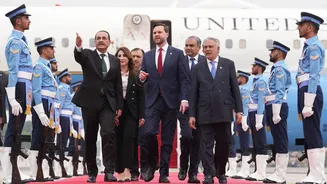


Tensions are on the rise again as the recent peace talks between Iran and the United States (US) in Pakistan ended without any agreement. All eyes are on the Strait of Hormuz, one of the world’s most important
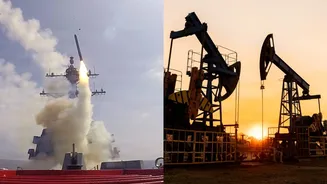
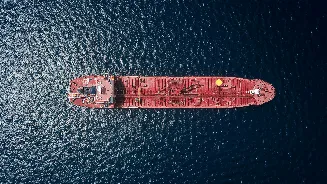
oil routes passing through Iran. It is neither completely open nor shut. Iran has imposed strict control over ships passing through, while the US is now openly talking of a blockade. If the route is already limited, why is there a need to block it completely? Will it impact India? News18 explains. While Iran is using Hormuz uses this route to protect its economic interests, the US wants to use it to pressure Iran. This is turning the conflict into an ‘oil war’, where every decision can directly affect the global economy.
What are Trump’s plans for Hormuz? Why the naval blockade
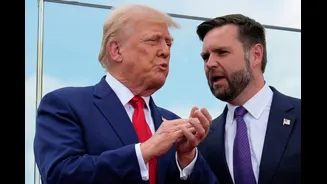
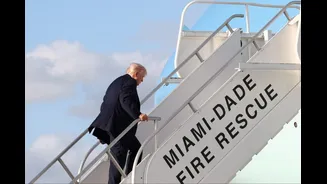
US President Donald Trump on Sunday (local time) expressed indifference over whether Iran would return to the negotiation table following a stalemate in talks held in Islamabad in order to achieve a complete halt in hostilities in West Asia. Speaking to reporters at Joint Base Andrews, Trump claimed that Iran was in a “very bad shape” and “very desperate”.
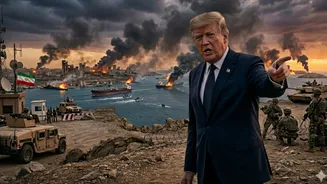
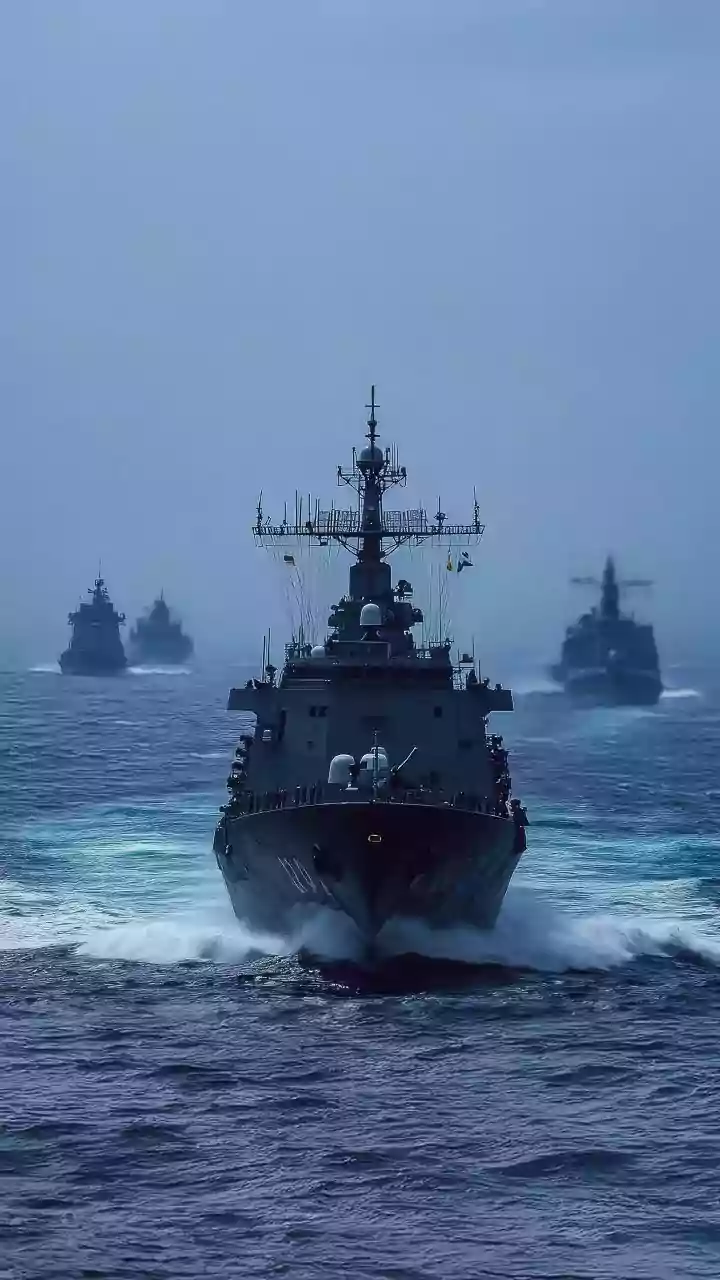
Trump has orderedthe US Navy to begin a blockade of the Strait of Hormuz, effective Monday, April 13, 2026. This major escalation follows the collapse of peace talks with Iran in Islamabad, Pakistan.
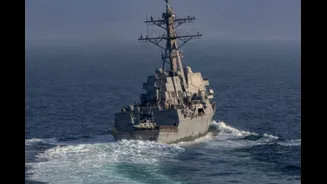
- The US Navy will “immediately” begin blockading ships entering or leaving the strait to end what Trump has called Iranian “extortion”.
- US forces are instructed to seek out and interdict any vessels in international waters that have paid transit fees or “tolls” to Iran.
- The US military has begun operations to destroy sea mines allegedly laid by Iran to ensure the strait becomes a “safe pathway”.
- In addition to the blockade, Trump is reportedly considering further airstrikes on Iranian infrastructure, specifically targeting water desalination plants, bridges, and power generation facilities.
- Trump has threatened China with 50% tariffs if it is found to be assisting Iran during this conflict.
The primary goal is to sever Iran’s economic lifeline by halting its oil exports, which currently account for nearly 2 million barrels per day passing through the waterway. Trump has framed this as a necessary move to restore “freedom of navigation” after Iran effectively closed the strait on February 28, driving global oil prices above $100 per barrel.
The President also claimed that ships were attempting to bypass traditional routes to transport oil, adding that the situation would be “corrected.” “At 10 o’clock tomorrow, we have a blockade going into effect — that’ll be 10 o’clock tomorrow. Other nations are working so that Iran will not be able to sell oil, and that will be very effective,” Trump said. “There are many boats heading towards our country to fill up with oil and take it. They are not going through the Hormuz Strait. And ultimately, that will be corrected, but they are using us now. We have more oil than Russia and Saudi Arabia put together due to ‘drill baby drill’,” he added.
The US President indicated that while the goal is to return to a status where all ships are allowed passage, the current blockade is necessary due to Iranian actions and claims regarding maritime mines. “At some point, we will reach an ‘ALL BEING ALLOWED TO GO IN, ALL BEING ALLOWED TO GO OUT’ basis, but Iran has not allowed that to happen by merely saying, ‘There may be a mine out there somewhere,’ that nobody knows about but them. THIS IS WORLD EXTORTION, and Leaders of Countries, especially the United States of America, will never be extorted,” the post added.
Trump’s stance shows America wants to use this sea route not just diplomatically, but as a strategic weapon, which could increase regional tensions.
Why is the Strait of Hormuz important?
The Strait of Hormuz is considered the world’s most important oil transport route. It connects the Persian Gulf to the Arabian Sea, and about 20 percent of the world’s total oil supply passes through it. Crude oil from major producers like Saudi Arabia, Iraq, UAE, and Kuwait reaches international markets through this route. Any disruption here directly affects global oil prices, which is why tensions in this area are a concern for the whole world.
Is the Strait of Hormuz completely closed?
Technically, the routeis not fully closed, but Iran has taken control. Iran allows only selected ships to pass and charges heavy fees, which can be millions of dollars per ship. Iran lets its own oil tankers pass to keep its economy running. So, it’s a kind of ‘partial blockade’ with Iran in control.
What is Trump’s strategy behind a blockade?
Trump’s strategy aims to weaken Iran’s economic power. If America blocks the route completely, Iran’s oil exports will stop, hurting its income and making it hard to fund its government and military. However, this move is risky because it will also affect global oil supply and prices could rise sharply.
What will happen to the world if there is a blockade?
If theStrait of Hormuzis fully closed, it will impact the global economy. Oil prices could suddenly rise, making petrol and diesel more expensive. This will affect transport, manufacturing, and everyday goods, causing inflation and economic instability in many countries.
How will it affect India?
India imports about 80 percent of its crude oil, most of it from Gulf countries. If the Hormuz route is affected, oil imports will become expensive for India, petrol and diesel prices may rise, and inflation will increase. The rupee could be affected and the trade deficit may grow. This crisis could directly impact ordinary people’s wallets.
How India is navigating the crisis?
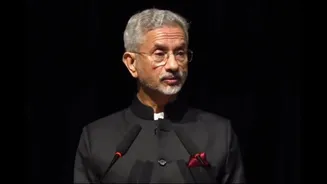
India’s External Affairs Minister (EAM) S Jaishankar recently met UAE President Sheikh Nahyan. As part of its new strategy, New Delhi has changed its crude oil basket formula and plans to buy from other countries instead of relying only on Oman and Dubai grades, say experts.
What does Iran want in this situation?
Iran wants America to lift sanctions and recognize its economic rights. Iran is using this route as a ‘pressure tool’ to influence the international community, especially America. Iran believes if its interests are ignored, it could close the route completely.
Is the risk of war increasing?
With rising tensions, there is a real risk that things could get worse. If diplomatic efforts fail and a blockade happens, conflict could increase and war could break out again in the Middle East.
What could happen next?
In the coming days, it will be important to see if America and Iran can reach an agreement. If talks succeed, things could return to normal. But if tensions rise and a blockade is imposed, it will affect the whole world. For now, the situation is uncertain and every country is watching closely.
With agency, ANI, News18 Hindi inputs