







International Tea Day, observed annually on May 21, celebrates one of the world’s most beloved beverages, tea. Recognised by the United Nations in 2020, the day celebrates tea farmers, promotes sustainable
practices, and highlights tea’s cultural, economic, and health significance worldwide.
From the tea gardens of China and Sri Lanka to India’s iconic chai stalls, tea connects communities, traditions, and generations. Beyond its cultural role, tea provides numerous health benefits, including antioxidants, stress reduction, and improved digestion.
In India, where chai is more than a drink but a daily ritual, the day celebrates regional flavours, traditional brewing methods, and the social significance of tea.
International Tea Day also raises awareness about sustainable cultivation and fair labour practices, reflecting global efforts to protect both the planet and the millions of tea-growing communities that depend on this cherished beverage.
International Tea Day 2026 Theme
The official themes for International Tea Day 2026 are “Fostering Growth and Inclusion” and “Sustaining Tea, Supporting Communities.” These highlight empowering tea-growing communities, promoting inclusive economic growth, and encouraging sustainable practices that benefit both farmers and the environment.
International Tea Day 2026: History
Tea’s origins date back thousands of years to ancient China, eventually spreading to Asia and the world. The United Nations recognized International Tea Day in 2019 to honour tea farmers and raise awareness of tea’s cultural, health, and economic significance.
International Tea Day 2026: Health Benefits
Scientific studies continue to highlight tea’s impressive health benefits. Packed with powerful antioxidants like catechins and polyphenols, tea helps fight inflammation and oxidative stress.
Regular consumption is linked to better heart health, improved cholesterol levels, reduced risk of type 2 diabetes, enhanced brain function, and even weight management support. The unique combination of caffeine and L-theanine in tea provides calm focus without the jitters associated with coffee.
International Tea Day 2026: Indian Chai Traditions
In India, chai is far more than just a beverage, it is a cultural ritual woven into daily life. Across the country, chai is brewed in countless regional varieties, each reflecting local tastes and traditions.
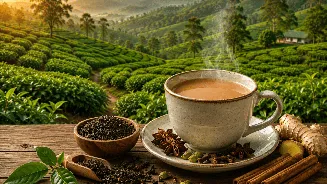
Masala chai, spiced with cardamom, ginger, cloves, cinnamon, and black pepper, is perhaps the most iconic, while Adrak chai (ginger tea) is a winter staple in northern India.
In Kashmir, Kahwa, a delicate green tea with saffron and almonds, offers a fragrant and ceremonial experience.
The street culture of chaiwallahs is integral to Indian society. Bustling stalls serve freshly brewed tea with milk and sugar, creating community hubs where neighbours, workers, and travellers gather to socialize.
Traditional brewing rituals, boiling tea leaves with water, milk, and spices, sometimes pouring from a height to aerate the tea, give chai its distinctive flavour and frothy texture.
Chai also plays a social role, marking daily routines like morning pick-me-ups and evening relaxation, often paired with snacks such as samosas or biscuits. In modern cities, cafes are innovating with chai lattes, cold brews, and herbal variations, blending tradition with contemporary tastes.
Beyond flavour, chai represents hospitality, connection, and cultural identity, supporting millions of farmers whose cultivation sustains India’s thriving tea economy.
International Tea Day 2026: Sustainable Tea Practices
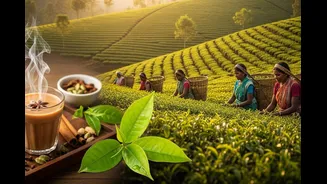
Sustainability in tea cultivation involves organic farming, water conservation, ethical labor practices, and eco-friendly packaging. Certifications like Fair Trade and Rainforest Alliance help ensure environmental protection while supporting tea-growing communities.