





Iran is witnessing a growing shortage of essential medicines along with steep price increases, worsening access to treatment for patients across the country, according to reports received by Iran International
from citizens.
The shortages are affecting both life-saving treatments for serious illnesses such as cancer and heart disease, as well as commonly used over-the-counter medicines.
Patients have reported difficulty obtaining critical drugs, while the rising costs have made continued treatment financially challenging for many families.
Despite the reported difficulties, Vice President Mohammad Reza Aref said earlier this month that Iran’s strategic reserves of medicines remain in good condition.
Authorities have also ordered urgent imports in an attempt to stabilise supply, though citizens say availability remains inconsistent across several cities.
One of the sharpest price increases cited involves Xgeva, a medication used in the treatment of bone cancer.
According to citizens who contacted Iran International, the price of the drug increased from 15,000,000 rials ($9.38) to 420,000,000 rials ($262.50) within two months.
The treatment requires an injection every two months, significantly increasing the financial burden on patients.
In Karaj, residents reported that the cost of Lantus insulin rose from 1,770,000 rials ($1.11) to 7,100,000 rials ($4.44).
Some citizens said certain types of insulin now cost more than 70,000,000 rials ($43.75), particularly following recent regional conflicts.
Cancer patients also highlighted difficulties accessing Aromasin, a drug used in hormone therapy.
According to reports, a 30-day supply that previously cost 5,000,000 rials ($3.13) with insurance now sells for 44,000,000 rials ($27.50) when available. Patients said imported versions are scarce and local substitutes are less effective.
SHORTAGES SPREAD TO BASIC MEDICINES AND SUPPLIES
Reports indicate that the shortages extend beyond specialised treatments.
Residents in Tehran said pharmacies are rationing commonly used pills such as GeloFen, while elderly patients in Mashhad reported difficulty finding antidepressants, including Amitriptyline.
Medical supplies are also becoming scarce, with citizens reporting that disposable gloves are difficult to obtain at pharmacies in several locations.
Patients say the shortages are forcing some to delay treatment or spend beyond their means to secure medicines.
A video shared with Iran International also showed long queues outside bakeries in Malard, west of Tehran, where shops struggled to meet demand due to a reported flour shortage.
According to the sender, several bakeries were unable to cope with the crowds, highlighting broader economic pressures affecting daily life.
Long queues formed outside bakeries in Malard, west of Tehran, as many shops were unable to meet demand due to a flour shortage, according to a citizen report. The sender said several bakeries could not respond to crowds waiting to buy bread and described worsening living… pic.twitter.com/Usoi6Dr1Z2
— Iran International English (@IranIntl_En) April 14, 2026
NUCLEAR DISPUTES PERSIST DESPITE MEDIATED TALKS
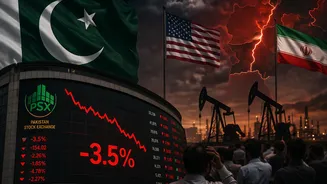
Meanwhile, diplomatic efforts to reduce tensions between Iran and the United States have made limited progress, according to a Reuters report citing a senior Iranian official.
Iran and the United States have made some progress under Pakistani mediation, but major disagreements remain, particularly over Tehran’s nuclear programme, the official said more than halfway through a two-week truce.
“The trip of the Pakistani army chief to Tehran was effective in reducing differences in some areas, but fundamental disagreements still remain in the nuclear field. More hopes have been created for extending the ceasefire and holding a second round of talks,” the senior official said.
Pakistan’s army chief, Field Marshal Asim Munir, visited Tehran on Wednesday in an effort to prevent a renewal of the conflict. Pakistan hosted the first round of peace talks last weekend.
However, the fate of Iran’s highly enriched uranium stockpile and the duration of nuclear restrictions remain key points of contention, with no agreement yet reached.
A spokesperson for Pakistan’s Foreign Ministry said that no dates have been decided for a second round of talks between Washington and Tehran.
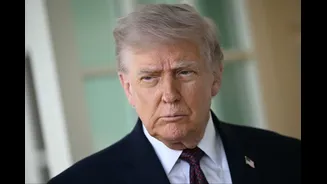
Iran and the United States failed last weekend to reach an agreement to end the war that US President Donald Trump launched alongside Israel with a surprise attack on February 28.
The escalation triggered Iranian fire at Gulf states and also led to a parallel conflict in Lebanon.
The continuing diplomatic uncertainty comes as economic pressures, including shortages of medicines and basic supplies, continue to affect daily life for many Iranians.