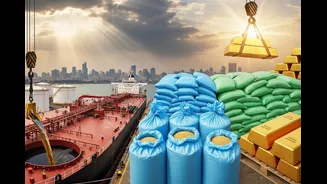





Within just two days, the government and major industry players have taken three significant economic decisions—raising import duty on gold and silver, increasing milk prices, and banning sugar exports
till September. Together, the moves have intensified speculation over whether fuel prices could be the next area where consumers may feel pressure as India responds to the growing economic impact of the West Asia crisis.
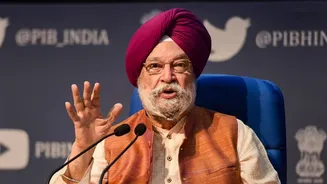
So far, the Centre has not indicated any immediate increase in petrol or diesel prices. Petroleum minister Hardeep Singh Puri has repeatedly maintained that India has sufficient reserves and there is no reason for panic. However, he added a disclaimer. “There is no shortage of petroleum products in the country. We have adequate supplies. But Prime Minister Narendra Modi’s austerity appeal should be seen as a wake-up call.”
At the CII Summit on Tuesday, Puri added: “War has been going on for the last 75 days, but we haven’t raised prices in the last 4 years, and we’re the only country in the world. People are saying elections are over, so prices are being hiked. 2022 was the last time we raised prices. There have been general elections and state government elections after that”, he said. “We’ve converted the challenge into an opportunity. I’m not saying prices will not go up. I’m saying prices and elections are unrelated”, he added.
ALSO READ | Your Tea And Favourite Desserts Set To Get Costlier? What India’s Sugar Export Ban Means
Policymakers are increasingly focused on conservation, inflation management and reducing pressure on the import bill as geopolitical tensions continue to disrupt global energy markets.
The Three Decisions That Sparked the Speculation
The first major move came with the government raising import duty on gold and silver to 15 per cent. According to government sources, the objective is to discourage non-essential imports, reduce pressure on foreign exchange reserves and contain the widening trade deficit at a time when crude oil prices are rising because of the West Asia crisis.
India imports the bulk of its crude oil requirements, and a sustained increase in oil prices directly affects the country’s import bill and the rupee. Economists say higher duties on luxury imports such as gold are often used during periods of external economic stress to conserve foreign exchange and prioritise essential imports like energy.
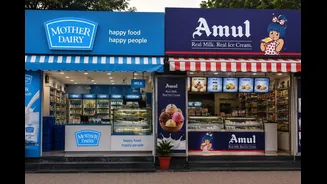
The second decision came from major dairy brands, including Mother Dairy and Amul, which raised milk prices by between Rs 1 to Rs 5 per packet depending on variant, citing increased procurement and transportation costs. The new rates have become effective from May 14 for full cream milk, toned milk, cow milk, buffalo milk and premium variants. Industry experts noted that higher logistics costs linked to rising fuel prices globally are beginning to filter into everyday essentials.
ALSO READ | Oil Shock Coming? Why A Steep Petrol, Diesel Price Hike Is Beginning To Look Unavoidable
The third major move was the government’s decision to ban exports of raw, white and refined sugar till September 30. Officials indicated that the step was aimed at protecting domestic supplies, controlling inflation and insulating Indian consumers from global volatility linked to disruptions in shipping routes and rising freight costs. According to economists and industry analysts, the immediate objective is to stop domestic prices from rising sharply due to export-driven shortages, speculative trading or higher transportation costs linked to rising crude oil prices. In that sense, the export ban is being positioned as a protective measure for consumers and food manufacturers.
Why Fuel Prices Are Now Under Discussion
Taken individually, each decision addresses a different sector. But together, analysts say they reflect a broader government strategy focused on conserving resources, managing inflation and preparing for prolonged global uncertainty rather than treating the current crisis as temporary.
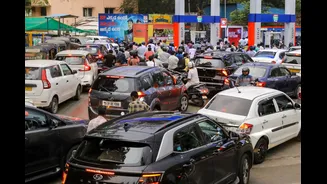
On Sunday, Prime Minister Narendra Modi appealed to citizens to reduce fuel consumption by adopting measures such as work from home, online meetings, increased use of electric vehicles and even online classes for schools wherever possible.
Veteran banker Uday Kotak too rang alarm bells at the CII Annual Business Summit 2026, saying: “The shock is coming, and it’s big. India must prepare for serious economic fallout if the West Asia crisis prolongs.”
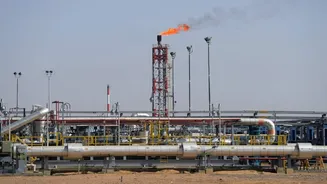
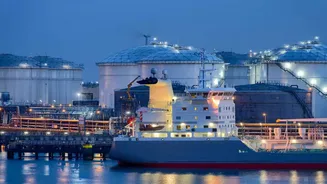
The biggest concern remains crude oil. India imports more than 85 per cent of its crude requirements, making the economy highly vulnerable to disruptions in West Asia, especially around the Strait of Hormuz—one of the world’s most critical oil transit chokepoints.
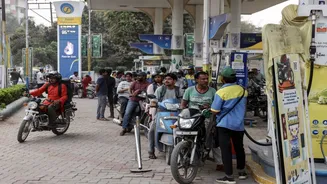
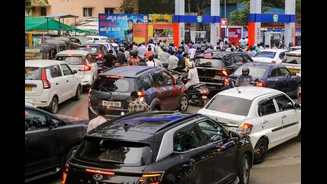
Although retail fuel prices have not yet been revised upward, oil marketing companies are reportedly facing growing pressure because of rising international crude prices and higher shipping costs. As crude prices climb, oil marketing companies are left with two choices—raise fuel prices for consumers or shoulder the burden themselves.
ALSO READ | Iran War: As IMF Warns Of Uneven Price Shock, Which Nations Are Most At Risk?
For the moment, they are taking the hit. But with losses mounting every day, analysts say this is not a situation that can be sustained for long without either government intervention or an increase in retail fuel prices. That is why many economists and industry experts believe a hike in petrol and diesel prices is now looking increasingly difficult to avoid.
Government sources have also indicated that public messaging around austerity, work-from-home arrangements, reduced fuel consumption and conservation is partly aimed at lowering demand pressure.
Is a Fuel Price Hike Actually Coming?
At present, there is no official indication of an imminent petrol or diesel price hike. In fact, the government appears keen to avoid sudden increases because fuel inflation quickly impacts transportation, food prices and overall retail inflation.
However, economists say the recent decisions suggest the Centre is preparing the economy for a period of elevated costs and supply uncertainty. Measures such as discouraging luxury imports, conserving essential commodities and pushing fuel-saving behaviour are typically associated with governments trying to manage external economic shocks before they fully hit consumers.
Several analysts also point out that the government may initially prefer indirect measures, such as austerity pushes, conservation advisories and supply management, instead of immediately raising fuel prices. But if crude prices remain elevated for a prolonged period, pressure on oil marketing companies and government finances could eventually make retail fuel adjustments difficult to avoid.
Officials appear determined to prevent panic buying, sudden inflation shocks and pressure on foreign exchange reserves. That explains why recent policy actions are touching multiple sectors at once—from luxury imports and food commodities to energy conservation and logistics.
For consumers, the immediate impact may be gradual rather than dramatic. But the clustering of these decisions within 48 hours has strengthened the perception that the government is bracing for a longer phase of global economic turbulence and that fuel prices remain the biggest variable everyone is watching.