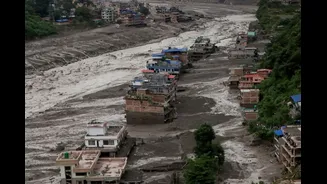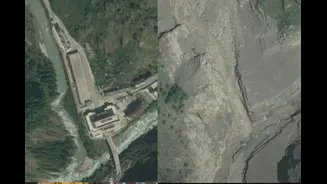



Nepal Flash Flood: Before-and-after satellite images show the extraordinary scale of destruction caused by the catastrophic floods along the Nepal-China border, with the Rasuwagadhi border crossing almost
completely disappearing beneath a vast debris field.
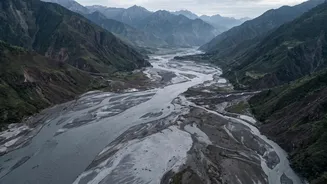
The images from US-based spatial intelligence company Vantor show the crossing before the disaster and again on August 27, a day after a massive torrent of water, ice, rock and mud tore through the Himalayan valley. In the “after” image, the structures that once stood at the crossing have been swept away, while the valley floor has been dramatically reshaped by the force of the debris flow.
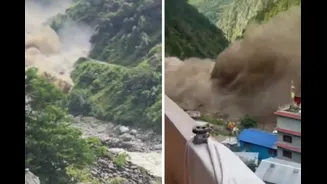
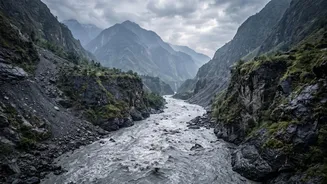
The disaster began on Wednesday after a section of glacier and underlying mountainside collapsed high in the Himalayas. The collapse sent an enormous mass of ice, rock and debris plunging into the valley, generating a powerful surge that raced through the river systems towards Nepal.
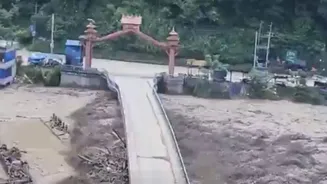
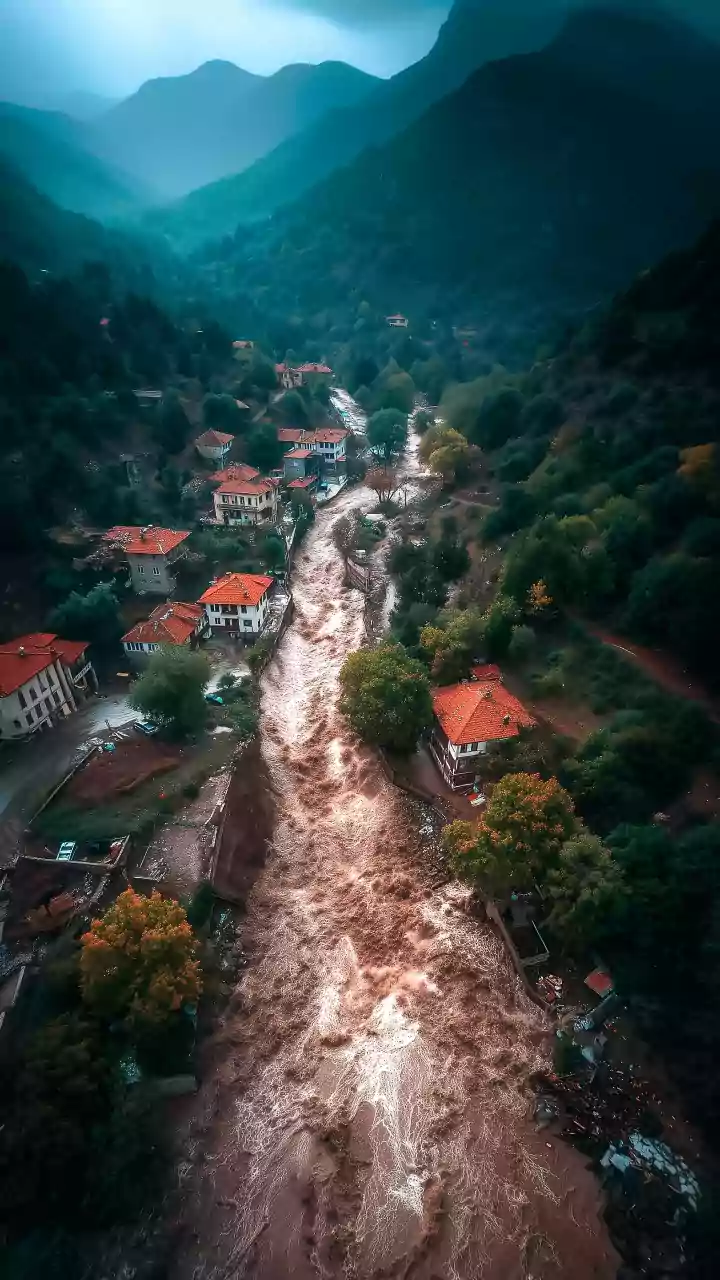
The resulting flash floods and debris flows swept through villages and towns along the Trishuli and Bhote Koshi river corridors, destroying homes, bridges, roads, hydropower infrastructure and other critical facilities. The Gyirong port on the Chinese side of the border was also engulfed by the mudslide.
New imagery from @vantortech confirms that the China-Nepal Rasuwagadhi border crossing has been completely destroyed, with the glacial flood completely scouring the valley floor.
At least 359 people are dead and nearly 1,000 missing, according to local authorities. pic.twitter.com/DiBiUzJGtO
— OSINTtechnical (@Osinttechnical) August 27, 2026
The disaster has left entire sections of the Himalayan landscape transformed. The Vantor imagery provides a stark before-and-after record of that change where a functioning border crossing and infrastructure once stood, there is now a scarred valley floor covered by water and debris.
The Rasuwagadhi crossing is an important trade and transit route between Nepal and Tibet. Its destruction has severely disrupted movement along the route, while damaged roads and bridges are also making it difficult for rescue teams to reach affected areas.
The human toll has continued to rise. At least 390 people have been confirmed dead across Nepal and Tibet, while more than 1,400 people remain missing, according to authorities. Hundreds of those missing are foreign nationals, including Indian pilgrims and tourists travelling through the Himalayan region.
Rescue teams, soldiers and military helicopters have been searching for survivors, but the operation has been hampered by destroyed roads, difficult terrain and the continuing risk of landslides and further flooding.
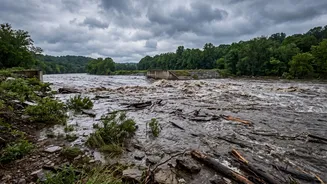
Authorities in both Nepal and Tibet have also warned of additional flood risks after debris blocked river channels and created temporary lakes. Officials fear that if these water bodies breach, they could send another surge downstream.