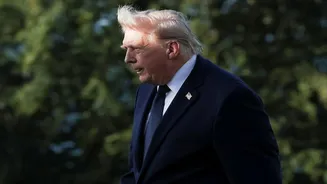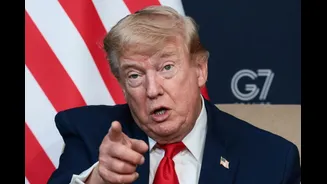








US President Donald Trump on Wednesday said Washington “did send a copy” of its accord with Iran aimed at ending the war, pushing back on reports suggesting tensions with Israel over access to the agreement.
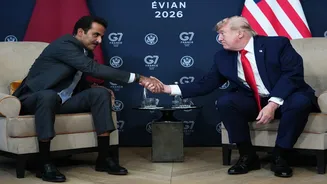
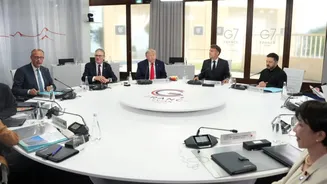
Speaking on the sidelines of the G7 summit, Trump insisted that the US has maintained communication with its allies and rejected claims that Israel was excluded from key details of the deal.
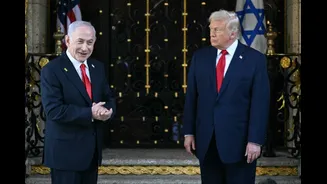
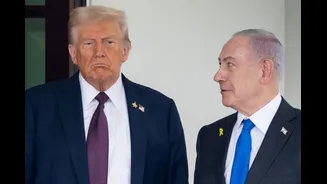
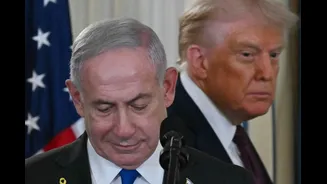
He also reaffirmed his “good relationship” with Israeli Prime Minister Benjamin Netanyahu while offering pointed criticism of Israel’s military actions in Lebanon.
Feel Bad For Lebanon: Trump
“It’s appropriate that we release the agreement and we did send a copy to Israel, by the way, they’ve been a good partner again,” Trump said. He added that while Israel had a strong partnership with the US, “they could do better with respect to Hezbollah.”
Trump: “We did send a copy to Israel, by the way. They’ve been a good partner. Again, I think they could do better with respect to Hezbollah. On that, I don’t think they are doing well.” pic.twitter.com/cbgRytJtUm
— Aaron Rupar (@atrupar) June 17, 2026
He continued, “I’m not saying they shouldn’t protect themselves. I’m saying when two drones are shot into the desert and drop harmlessly, you don’t have to knock down buildings in Beirut. They could behave better and frankly they could do a better job. I love them as a partner… but I feel very bad for Lebanon.”
Reports of dispute over Iran deal access
Trump’s remarks came a day after reports that Israel had requested access to the text of the interim US-Iran agreement but was denied. According to CNN, Israeli officials said the request was rejected over concerns that Prime Minister Netanyahu might leak the document before its official release.
Israeli outlet i24 News, in a report, called the refusal a “remarkable and highly unusual development” between close allies on a matter of national security importance.
However, a US official later rejected the claim, saying the report was “not accurate” and stressed that Washington had remained in close coordination with regional partners, including Israel, throughout the negotiations.