



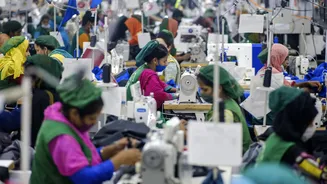
Global fashion brands, including Zara and H&M, are moving garment orders away from Bangladesh as labour unrest, rising production costs and supply disruptions affect the country’s apparel industry. India
has emerged as the main alternative, receiving a large share of the business shifted by international retailers.
Factory owners told Reuters that between November 1 and 18, orders worth around $254 million were moved out of Bangladesh, accounting for nearly a tenth of the country’s monthly orders. Most of the diverted business went to India, while Vietnam, Cambodia and Indonesia are also attracting buyers looking to reduce supply-chain risks.
The shift poses a serious challenge to Bangladesh’s garment sector, which is a major source of employment and foreign exchange for the country. The industry contributes more than 80 per cent of Bangladesh’s export earnings and provides nearly 40 per cent of its manufacturing jobs.
According to the Bangladesh Garment Manufacturers and Exporters Association (BGMEA), recent protests have already resulted in production losses estimated at more than $400 million.
For years, Bangladesh has benefited from its relatively low manufacturing costs, helping it become the world’s second-largest apparel exporter after China. However, industry representatives say higher wages, power shortages and political uncertainty have weakened that advantage and encouraged global retailers to explore other sourcing destinations.
RISING WAGES ADD TO PRESSURE ON BANGLADESH’S GARMENT INDUSTRY
The pressure on manufacturers increased after Bangladesh approved a 36 per cent rise in the minimum wage for garment workers on Wednesday. Although the increase was the smallest in four decades, it failed to meet workers’ demands for more than double their existing wages.
The announcement led to fresh clashes between workers and police. Abdur Rahman Tarafder, secretary of the Ministry of Labour and Employment, described the revised wage as “satisfactory” and expressed hope that garment workers would return to their jobs from Saturday.
While the wage revision is expected to improve workers’ earnings, manufacturers fear it will further reduce Bangladesh’s cost advantage over competing countries such as India. Trade union groups, meanwhile, argue that the revised wages remain low by international garment industry standards.
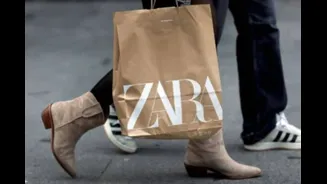
Factory owners, who spoke to Reuters on condition of anonymity because of concerns over their relationships with international buyers, said several major brands had shifted orders elsewhere. These included Zara, H&M, Marks & Spencer and Celio, with India receiving most of the diverted business.
Zara’s parent company Inditex declined to comment on Reuters’ questions. Marks & Spencer, H&M and Celio did not respond to requests for comment.
M Mohiuddin Chowdhury, a director of the BGMEA, said manufacturers were facing pressure from multiple directions, including higher wages, utility bills and raw material costs.
“The wage increase has added to costs at a time when buyers are demanding lower prices and competition from rival sourcing countries is intensifying,” he said.
BGMEA president Mahmud Hasan Khan did not identify the brands involved but said shifting some orders temporarily to other countries could help manufacturers retain international clients while limiting financial losses.
INDIA BENEFITS AS BUYERS LOOK FOR FASTER DELIVERIES
Manufacturers are increasingly worried that the disruption could affect more than just existing orders. Factory owners fear that international buyers may permanently shift their sourcing arrangements if Bangladesh is unable to restore stable production.
Power shortages, made worse by the crisis in the Middle East, have added to the difficulties. Some factories have been forced to depend on more expensive alternative energy sources to keep production running.
Chowdhury said international buyers were placing greater importance on delivery schedules when choosing manufacturing locations.
“Price becomes secondary when brands are under pressure to meet strict delivery deadlines,” he said.
According to him, India can offer delivery times around a week shorter than Bangladesh, while Vietnam and Cambodia can reduce lead times by as much as 15 days.
Factories in competing sourcing countries generally complete production and delivery within 60 to 90 days. In Bangladesh, the process can take around 120 days, Chowdhury said.
The unrest has also created a backlog of orders. Manufacturers in and around Dhaka have reportedly lost between 20 and 25 production days. Some factories are now considering additional shifts and expensive air freight to meet their delivery commitments.
Khan Monirul Alam, managing director of Alps Apparels Group, which mainly supplies European brands, said the unrest had already affected fresh orders.
“Since November 1, most of my buyers have stopped placing orders because of the unrest,” Alam said. “They are telling us our orders have been shifted, postponed or cancelled and that they have already found alternative solutions.”
POLITICAL UNCERTAINTY ADDS TO INDUSTRY CONCERNS
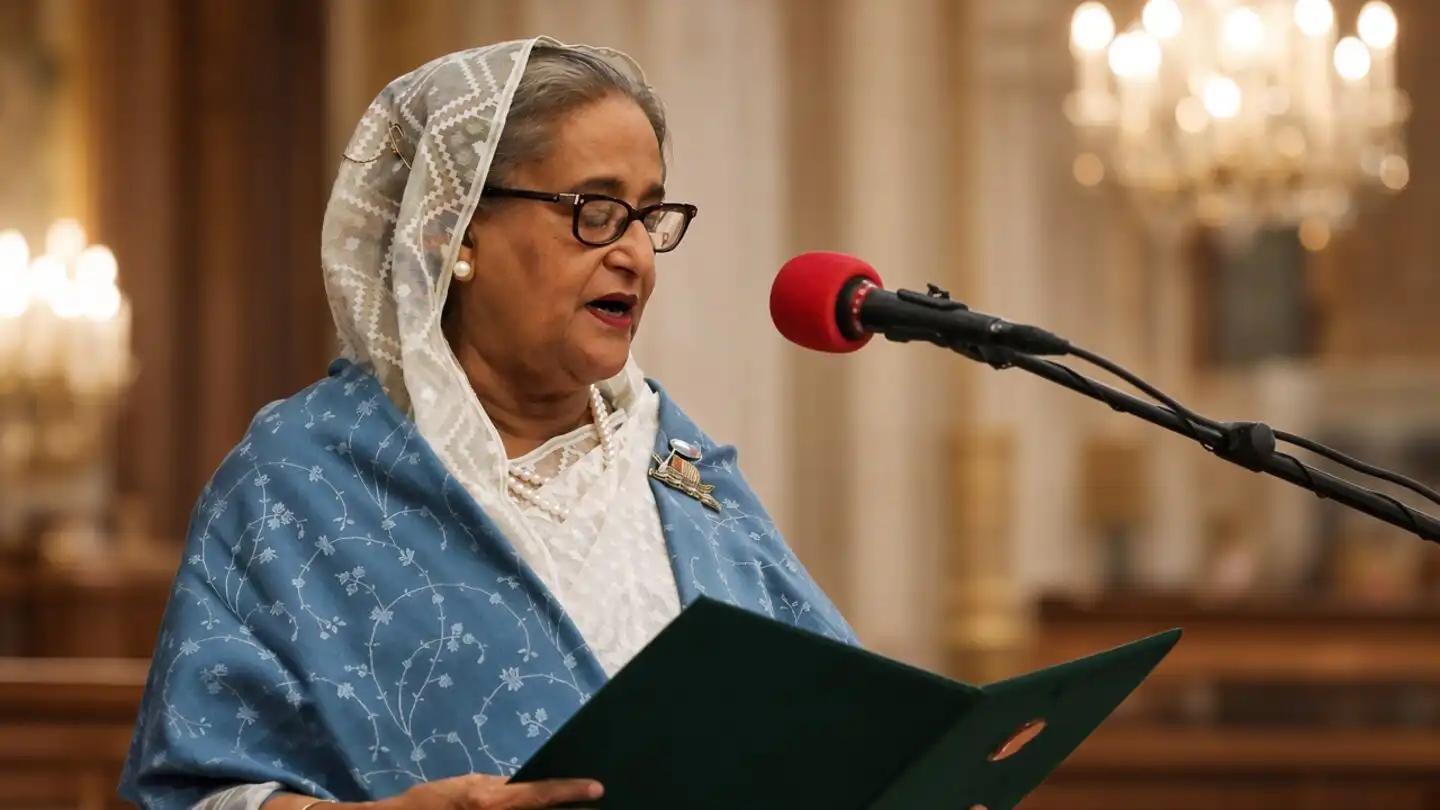
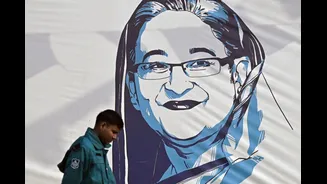
The situation has been further complicated by political tensions surrounding the possible return of former Prime Minister Sheikh Hasina to Dhaka from India.
Industry representatives believe restoring political stability and ensuring uninterrupted factory operations will be essential to rebuilding the confidence of international buyers.
Chowdhury cautioned that brands might not return to Bangladesh even after the current situation improves, particularly if they establish long-term arrangements with alternative suppliers.
“The challenge is restoring buyers’ confidence before temporary shifts become long-term sourcing decisions,” he said. “Brands have options. They will not wait for us if instability persists.”