





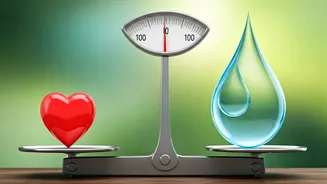


Skipping meals has long been marketed as a shortcut to a leaner body. From 16:8 windows to alternate-day fasting, intermittent fasting has become the internet’s favourite wellness ritual. But new evidence
suggests the results may not match the hype, at least when it comes to shedding kilos.
A large scientific review has found that fasting protocols may not significantly outperform traditional dieting methods for people who are overweight or obese. In other words, compressing your eating hours or skipping days may not deliver dramatic weight changes after all.
What The Research Shows
According to a review published in the Cochrane Database of Systematic Reviews, researchers analysed 22 studies involving nearly 2,000 adults and found that intermittent fasting offered little to no advantage for weight loss compared with standard calorie-controlled diets or even no structured guidance. Researchers added that while fasting may influence certain metabolic markers, stronger evidence is still needed to understand its broader effects on health, including type 2 diabetes and other underlying conditions.
The conclusion: fasting made ‘little to no difference to weight loss and quality of life.’ Lead author Luis Garegnani cautioned against inflated expectations. Speaking to BBC, he said, “Intermittent fasting may be a reasonable option for some people, but the current evidence doesn’t justify the enthusiasm we see on social media.”
Why Does Intermittent Fasting Still Appeal To Many
Despite modest weight outcomes, intermittent fasting hasn’t lost its charm. For many, it feels simpler than calorie counting. There’s no food weighing or complicated meal plans – just structured timing.
Health experts also note potential metabolic perks. Periods without food may improve insulin sensitivity, reduce inflammation, and support cellular repair processes like autophagy. These subtle benefits may explain why some people report better energy or digestion even without major fat loss.
So while the scale may not shift dramatically, internal markers of health could still improve – though researchers stress that stronger evidence is needed.
One Plan Doesn’t Fit All
The bigger takeaway? Personalisation matters more than trends. Senior review author Eva Madrid told BBC, “Doctors will need to take a case-by-case approach when advising an overweight adult on losing weight.”
Body composition, hormones, lifestyle, sleep, and stress all influence results. For some, fasting triggers overeating later. For others, it creates structure and discipline. Success often depends less on the method and more on consistency.
Rather than chasing the latest diet cycle, experts recommend focusing on fundamentals: balanced meals, protein intake, strength training, daily movement, and sustainable habits. Whether you eat three meals or two matters less than what and how much you consume overall. Intermittent fasting may still have a place – just not as the miracle solution it’s often portrayed to be. The real win lies in strategies you can maintain long after the trend fades.