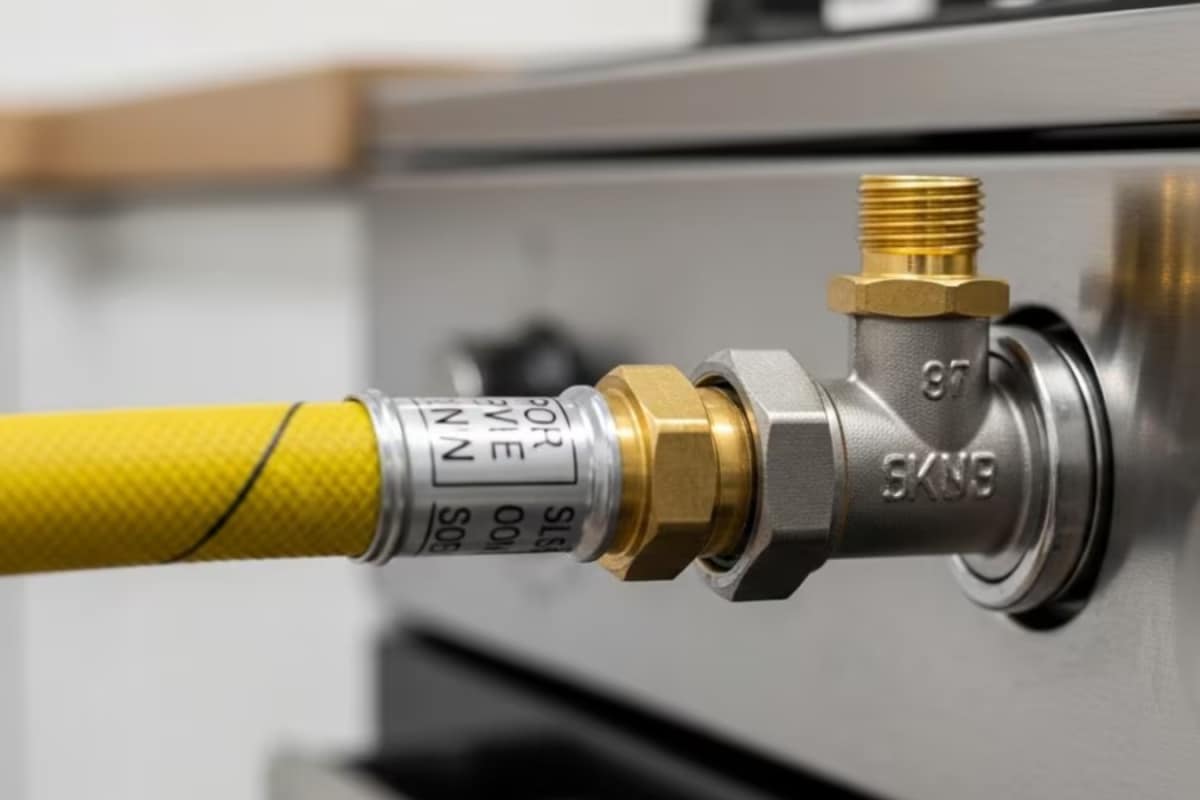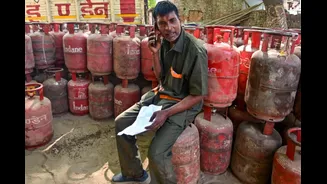








Prices of LPG cylinders across the country have remained unchanged since the beginning of March, even as geopolitical tensions in West Asia continue to cast a shadow over global energy supply chains.
The
cost of a 14.2 kg non-subsidised domestic cylinder and a 19 kg commercial LPG cylinder continues to vary slightly from city to city. At the start of the month, oil marketing companies had raised the price of the domestic cylinder by Rs 60 and the commercial cylinder by Rs 144. No revisions have been announced since then.
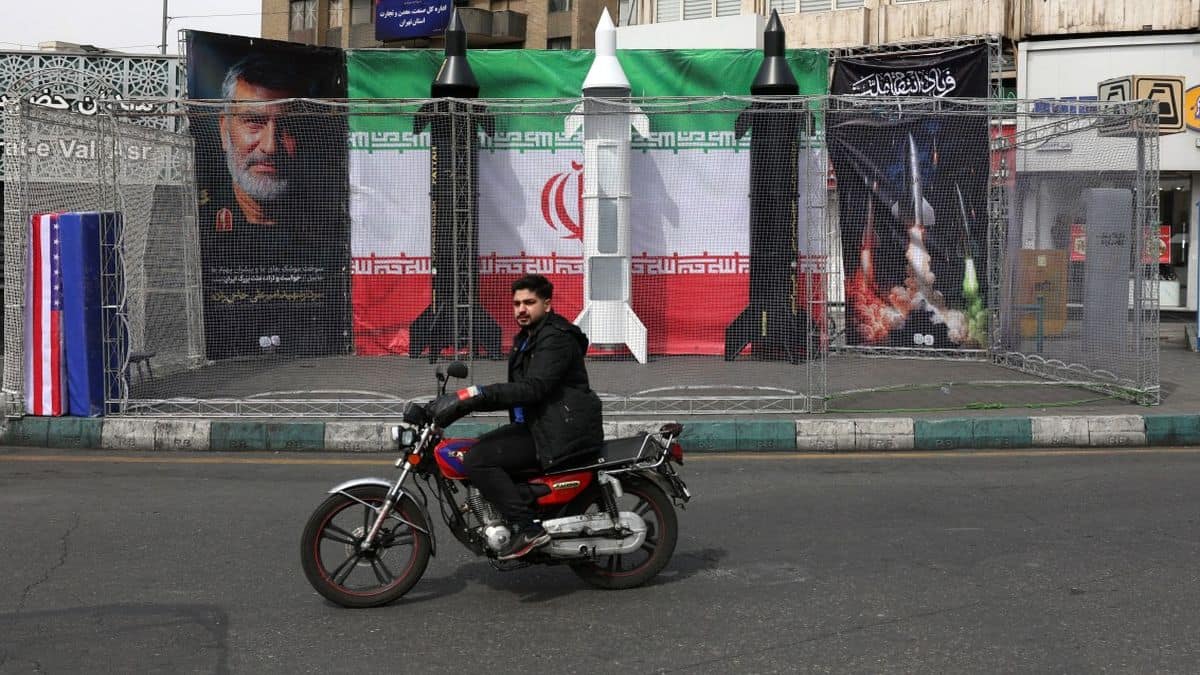
The backdrop to this LPG price stability lies in the ongoing Israel-Iran tensions which have disrupted key shipping routes in the region. The closure of the Strait of Hormuz has impacted global energy logistics, a critical concern for India, which imports nearly 60% of its LPG from Gulf nations.
Despite these challenges, the government has sought to reassure citizens, maintaining that there is no shortage of petrol, diesel or LPG in the country. Officials have stated that India currently holds fuel reserves sufficient for approximately 60 days, with oil companies securing adequate crude supplies and refineries operating at full capacity.
Domestic LPG Cylinder Prices In Major Cities
| City | Price |
| Delhi | Rs 913 |
| Mumbai | Rs 912.50 |
| Bengaluru | Rs 915.50 |
| Hyderabad | Rs 965 |
| Kolkata | Rs 939 |
| Chennai | Rs 928.50 |
| Lucknow | Rs 950.50 |
| Patna | Rs 1002.50 |
Commercial LPG cylinder Prices In Major Cities
| City | Price |
| Delhi | Rs 1,884.50 |
| Mumbai | Rs 1,836 |
| Bengaluru | Rs 1,958 |
| Hyderabad | Rs 2,105.50 |
| Kolkata | Rs 1,988.50 |
| Chennai | Rs 2,043.50 |
| Lucknow | Rs 2,007 |
| Patna | Rs 2,133.50 |
In a notable policy move, the government on March 24 directed households with access to piped natural gas (PNG) to transition from LPG within three months, warning that LPG supply could be discontinued in such cases. The directive is aimed at conserving domestic LPG supplies while prioritising the use of CNG and LNG for household energy needs.
Authorities have also dismissed reports of fuel shortages as “deliberately spread misinformation”, cautioning that such claims could trigger unnecessary panic buying.
For households, subsidised LPG cylinders remain the more viable option amid rising costs, while commercial users such as hotels, restaurants and small businesses continue to feel the burden of elevated prices.
With LPG rates closely tied to international crude prices and import costs, future revisions remain contingent on global market trends. Meanwhile, the government is exploring alternative supply channels, including sourcing from Africa, Latin America and the United States, to cushion domestic consumers from the impact of West Asian instability.