







India’s growth story is often told through economic indicators such as GDP expansion, infrastructure development, digital adoption and its rising global influence. Yet an equally important determinant
of the country’s long term progress receives far less attention: the health of its population. As India aspires to sustain growth and improve quality of life, the burden of noncommunicable diseases, or NCDs, is emerging as a critical challenge that cannot be ignored.
NCDs such as diabetes, cardiovascular disease and hypertension account for a significant share of morbidity and mortality in India.1 While these conditions are often discussed independently, a growing body of evidence points to a shared underlying factor that links many of them. Obesity is increasingly shaping how early these diseases develop, how severe they become and how complex they are to manage.
A Disease Hiding in Plain Sight
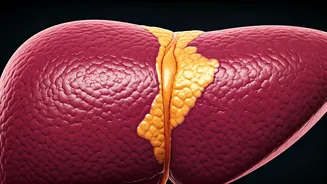
Obesity is frequently misunderstood as a lifestyle issue or a matter of personal choice. In reality, it is a chronic, progressive disease with complex biological, behavioural and environmental drivers.2-3 Excess body fat, particularly abdominal fat, disrupts metabolic processes, increases systemic inflammation and impairs insulin sensitivity. These changes significantly raise the risk of type 2 diabetes, cardiovascular disease, hypertension and fatty liver disease.
National data highlights the scale of the issue. Findings from the National Family Health Survey‑5 show that nearly one in four Indian adults is overweight or obese.4-5 Abdominal obesity, which carries higher metabolic risk, affects close to 40 percent of adults.6 These trends point to a future rise in NCD complications unless obesity is identified and addressed early.
India’s Unique Risk Profile
India faces an additional and often overlooked challenge. Research shows that Indians tend to develop metabolic risk at lower body mass index thresholds compared to Western populations.7 Many individuals who do not appear visibly overweight may still carry high‑risk fat distribution that predisposes them to diabetes and cardiovascular disease.8-9
This means reliance on appearance or conventional BMI cutoffs alone can delay detection. Obesity therefore needs to be recognised as a clinical condition that warrants early assessment and intervention, rather than being dismissed until visible weight gain or complications appear.
The Cost of Late Action
A recurring pattern in India’s healthcare system is delayed care seeking. Many individuals present to healthcare providers only after complications have developed, when diabetes is established, blood pressure is persistently high or a cardiovascular event has already occurred.
At this stage, treatment becomes more complex, multi‑speciality and long‑term. The economic and social costs are substantial. Advanced disease management increases healthcare expenditure reduces workforce productivity and places sustained pressure on families as well as public health systems. From both a public health and policy perspective, late intervention is neither efficient nor sustainable.
Why Obesity Is a Policy Issue
Obesity is no longer solely an individual health concern. Its impact extends to healthcare financing, workforce participation and long‑term economic growth, making it a policy issue of national importance.10
Encouragingly, obesity is increasingly entering public and policy discourse. Government initiatives such as the Fit India Movement, POSHAN Abhiyaan, Eat Right India and the National Programme for Prevention and Control of Non‑Communicable Diseases reflect a growing emphasis on prevention, nutrition and physical activity. Recent public calls by the Prime Minister for greater awareness around obesity have further highlighted its relevance as a shared national challenge.
However, awareness alone is insufficient. Policy frameworks must evolve to support early identification, clinical recognition and structured long‑term management of obesity as a disease. This includes integrating routine obesity and metabolic risk screening into primary care, enabling clear clinical pathways for diagnosis and referral, and supporting continuity of care through multidisciplinary, long‑term management models rather than episodic interventions.
Equally important is how obesity is framed in both policy and clinical practice. A science‑led and stigma‑free approach encourages individuals to seek care earlier and remain engaged in long‑term management. Like diabetes or hypertension, obesity requires continuity of care rather than episodic attention.
A Strategic Shift for India’s NCD Response
India cannot meaningfully reduce its NCD burden by treating diabetes, heart disease and hypertension as separate conditions. A more strategic approach is to address shared underlying contributors, particularly obesity, before complications multiply.
Evidence from national surveys4 and epidemiological studies sends a consistent message. Obesity is widespread, rising and deeply connected to India’s dominant chronic diseases. Recognising obesity early, embedding prevention within everyday healthcare systems and strengthening long‑term care pathways will be critical to bending the country’s NCD curve.
India’s future health outcomes, and by extension its economic and social progress, will depend not only on how well complications are treated, but on how early risk is identified and addressed. A healthier India must begin with individual awareness, but it will succeed only through strong systems, sustained care and supportive policy.
References:
- Accessed February 26,2024. https://ncdalliance.org/why-ncds/NCDs
- Overweight & Obesity. Updated March 21, 2022. Accessed February 20, 2024. https://www.cdc.gov/obesity/basics/causes.html
- Mahmoud AM. An Overview of Epigenetics in Obesity: The Role of Lifestyle and Therapeutic Interventions. International Journal of Molecular Sciences. 2022; 23(3):1341. doi.org/10.3390/ijms23031341
- NFHS-5_NRReport_val1__NFHS-5_INDIA_REPORT (1).pdf
- Data from Global Observatory (World Obesity) – https://data.worldobesity.org/country/india-95/#data_economic-impact
- https://pmc.ncbi.nlm.nih.gov/articles/PMC10363491/
- World Health Organization. World Obesity Day 2022 – Accelerating action to stop obesity. Updated March 4, 2022. Accessed February 20, 2024
- Waters H, Graf M. America’s Obesity Crisis: The Health and Economic Costs of Excess Weight. Milken Institute; 2018. Accessed February 20, 2024. https://milkeninstitute.org/sites/default/�iles/reports-pdf/Mi-Americas-Obesity-Crisis-WEB_2.pdf
- Wolk R, Shamsuzzaman AS, Somers VK. Obesity, sleep apnea, and hypertension. Hypertension. 2003;42(6):1067-1074. doi:10.1161/01.HYP.0000101686.98973.A3
- World Obesity Atlas 2023. March 2023. Accessed February 20, 2024. https://s3-eu-west-1.amazonaws.com/wof-files/World_Obesity_Atlas_2023_Report.pdf
Partnered Post