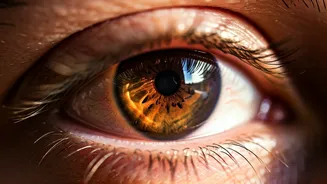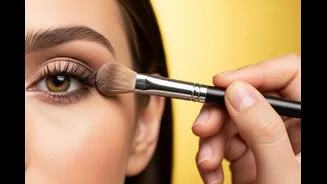








A recent study by a Bengaluru-based ophthalmologist has raised concerns over the incorrect use of eye cosmetics, highlighting that failing to remove them before sleep can significantly affect eye health,
as reported in The Times Of India. The research suggests that such habits may increase inflammatory markers by up to 40%, potentially leading to long-term ocular issues.
Titled Biological Cleansing: Toward Improving Ocular Surface Surgical Outcomes, the study, accepted for publication in the Indian Journal of Ophthalmology, analysed tear film biomarkers. It found that widely used products like mascara, eyeliner, eye shadow, and false eyelashes can trigger inflammation and destabilise the tear film when not thoroughly removed.
According to research lead Dr Rohit Shetty, clinician and translational scientist, and director of Narayana Nethralaya, improper cleansing can raise inflammatory markers such as MMP9, IL-17, and IL-6 by up to 40%. He explained that cosmetic residue can clog the meibomian glands, critical for maintaining tear film stability, thereby disrupting the eye’s immune balance and even affecting cellular repair mechanisms.
Dr Shetty further noted that prolonged exposure to cosmetic irritants, especially when combined with increased screen time, may contribute to chronic conditions such as dry eyes, light sensitivity, and intolerance to contact lenses.
The Eye’s Natural ‘Biological Cleansing’ System
Experts emphasised that the eye has a built-in cleansing mechanism. Dr Namita C Anagol explained that the tear film acts as a natural cleaning system, removing dirt, microbes, and debris with every blink while delivering antimicrobial agents like lysozyme and immunoglobulins.
Blinking spreads a fresh tear layer and clears out older deposits, but cosmetics can interfere with this process. Products such as kajal or eyeliner, especially when applied along the waterline, may block gland openings, leading to debris accumulation and an unstable tear film, Dr Namita added.
She also highlighted concerns around newer cosmetic practices like eyelash extensions and tattooing. These can alter the protective role of eyelashes and introduce chemicals that may irritate the eyes and obstruct gland function.
Precautions: Safe Use Of Eye Cosmetics
Specialists advise that while avoiding cosmetics entirely may not be necessary, mindful usage is essential. Dr Sorabh Malik recommended choosing hypoallergenic and low-chemical products, limiting use to once or twice a week, and maintaining proper eyelid hygiene.
Dr Malik also suggested the ‘hot fomentation’ method as an effective home remedy. This involves gently massaging the eyelids with a clean cloth dipped in lukewarm water to open blocked pores, improve tear secretion, and remove accumulated debris.
Beyond Makeup Removal: Holistic Eye Care
Dr Shetty stressed that eye care should extend beyond simply removing makeup. He advised using medicated eyelid wipes containing ingredients such as tea tree oil, castor oil, or coconut oil.
Emphasising a broader approach, he highlighted the importance of ‘biological cleansing’, which includes maintaining hygiene, ensuring adequate sunlight exposure for Vitamin D, and incorporating supplements like omega-3 fatty acids and curcumin to support overall eye health.