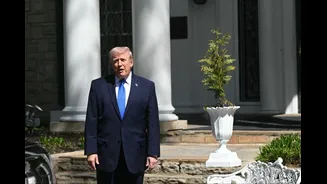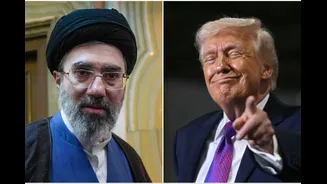





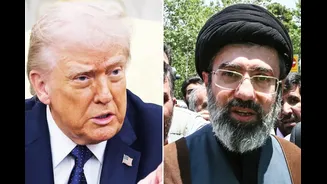
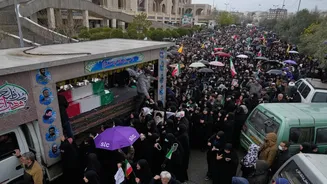
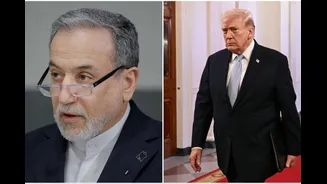
US President Donald Trump said the United States was holding talks with “the right people” in Iran who “want to make a deal so badly.” He said both sides were “in negotiations right now” without revealing
details of the talks that could halt the three-week war with Iran.
According to a report by Israel’s Channel 12, the Trump administration has sent a 15-point plan to Iran as its terms for ending the current war, including no uranium enrichment and the reopening of the vital Strait of Hormuz.
According to the report, the conditions appear to cover all the war goals of the US and Israel, but Israel is concerned that Trump wants to push quickly for “a framework agreement, an agreement in principle” with Iran, rather than insisting on these demands as a condition for halting the war.
READ MORE: Trump Says Iran Agreed To Not Having Nuclear Weapons: ‘We’re Talking To The Right People’
Sources familiar with the details told Channel 12 that Trump’s special envoy Steve Witkoff and son-in-law Jared Kushner have shaped a process involving “the declaration of a monthlong ceasefire period, during which the sides would negotiate a 15-point agreement.”
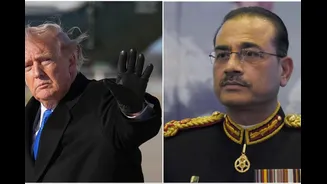
The New York Times, quoting two anonymous officials, said that the proposal was sent to Iran via Pakistan, which has offered to mediate.
What Are Trump’s Conditions?
The report specified 14 of the 15 demands and benefits that the US has conveyed to Iran, citing a Western source.
- Iran must dismantle its existing nuclear capabilities.
- Iran must commit never to pursue nuclear weapons.
- There will be no uranium enrichment on Iranian territory.
- Iran must hand its stockpile of some 450 kilograms of uranium enriched to 60% to the International Atomic Energy Agency (IAEA) in the near future.
- The Natanz, Isfahan and Fordow nuclear facilities – which were targeted by the US and Israel in June – must be dismantled.
- The IAEA must be granted full access, transparency and oversight inside Iran.
- Iran must abandon its regional proxy “paradigm.”
- Iran must cease the funding, direction and arming of its regional proxies.
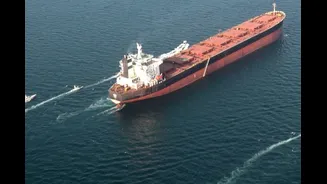
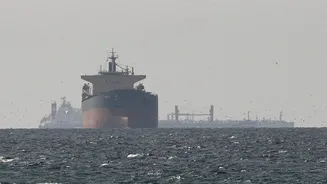
- The Strait of Hormuz must remain open and function as a free maritime corridor.
- Iran’s missile programme must be limited in both range and quantity, with specific thresholds to be determined at a later stage.
- Any future use of missiles would be restricted to self-defence.
What Iran Gets In Return?
In exchange for the conditions, Iran is expected to receive a full lifting of sanctions imposed by the international community, and the US would even assist Iran in advancing its civilian nuclear programme, including electricity generation at the Bushehr nuclear plant.
Furthermore, the so-called “snapback” mechanism, which allows for the automatic reimposition of sanctions if Iran fails to comply, would be removed, according to the report.
However, Israel is concerned with these conditions, since it risks a situation in which the Iranians would essentially have emerged with the upper hand, with the conflict ending before the precise terms are agreed.
So far, Iran has denied holding any talks with Trump and has threatened to escalate attacks on the energy infrastructure in the Gulf region if the US and Israel were to proceed with their attacks. Meanwhile, Israel has conveyed that it is not part of any reported talks between the United States and Iran later this week in Pakistan, and would continue to strike military targets in the country.