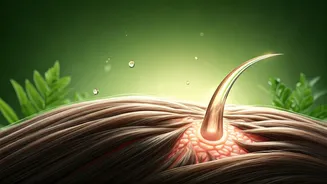

As winter sets in, complaints of excessive hair fall, dryness, and loss of shine rise sharply in dermatology clinics across India. While cold weather is often blamed, dermatologists agree that seasonal
hair concerns are rarely caused by temperature alone. Instead, winter-related dietary shifts, hydration gaps, and reduced sun exposure play a critical and often underestimated role in hair health.
According to Dr Raji Patil, Head of Medical Affairs, QR678, winter is a period when nutritional imbalances quietly surface. “During colder months, fluid intake typically drops, appetite patterns change, and meals tend to be heavier but less nutritionally diverse,” she explains. This combination can directly affect scalp health and disrupt the hair growth cycle.
From a dermatological perspective, protein intake is foundational. Hair is composed primarily of keratin, a protein structure that depends on adequate dietary support. Dr Patil notes that deficiencies in iron, vitamin D, zinc, and B-complex vitamins particularly common among women often manifest as increased hair shedding during winter. Even mild dehydration can create a dry scalp environment, weakening hair shafts and increasing breakage.
Dr Abhishek Pilani, Founder, Assure Clinic and MD Dermatology, Hair Transplant & Restoration Specialist, echoes this clinical observation, emphasising that dermatologists assess far more than just the scalp. “As dermatologists, we don’t just examine the scalp—we also look at what’s on the plate,” he says. In winter, people often consume less water and unknowingly reduce protein intake, both of which directly impact hair strength and shedding.
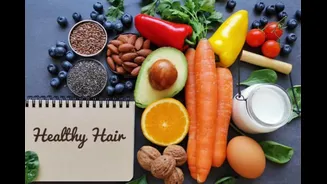
Dr Pilani routinely evaluates whether patients are consuming sufficient daily protein from sources such as dal, paneer, eggs, fish, and chicken, along with iron-rich foods like leafy greens, jaggery, dates, and legumes. Nutrients such as zinc and omega-3 fatty acids found in nuts and seeds like flax, chia, and walnuts are also essential for maintaining follicular strength and scalp health. Vitamin D deficiency, which becomes more prevalent due to reduced sun exposure in winter, is another key contributor to hair thinning.
Adding to this, Dr Shivam, Consultant Dermatologist, Kailash Hospital, Greater Noida, highlights the physiological impact of winter weather on hair. Cold temperatures combined with low humidity reduce moisture retention and blood flow to the scalp, leading to dryness, breakage, and dullness. Nutrition, he explains, acts as an internal support system to counteract these external stressors.
“A nutrient-dense winter diet is essential for healthy hair growth,” Dr Shivam notes. Omega-3 fatty acids help combat scalp dryness and flaking, while vitamins C and E support collagen production and improve scalp circulation. Biotin enhances hair texture and reduces breakage, while minerals such as iron and zinc are critical in preventing hair loss and supporting healthy follicle function.
Across all expert opinions, one message remains consistent: there is no single food or quick fix that can stop winter hair fall. Instead, hair health depends on consistency, balanced meals, adequate hydration, and avoidance of extreme dietary restrictions. Crash diets and sudden food eliminations, dermatologists warn, often worsen shedding during winter months.
When dietary correction alone isn’t enough, medical evaluation and targeted supplementation may be required. As Dr Patil succinctly puts it, “Hair health is closely linked to overall health, and winter is often when underlying nutritional gaps become more apparent.”
In essence, winter hair care begins from within. By prioritising nutrition, hydration, and gentle scalp practices, individuals can protect their hair through the colder months, long before seasonal hair fall becomes a visible concern.