




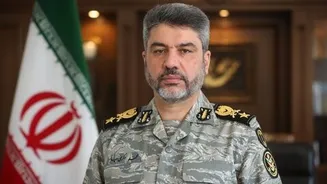

Tehran [Iran], November 3 (ANI): Iranian President Masoud Pezeshkian stated that his administration would work to resolve problems through dialogue regarding difficulties generated by outside actors, as conveyed
by the Iranian president’s office. Addressing a meeting in Tehran with regional governors and mayors, Pezeshkian noted that Iran’s Supreme Leader Mojtaba Khamenei had granted the government certain authorities to pursue diplomatic solutions. He emphasised that no one benefits from war, adding that the “enemies” would not be able to make Iran surrender. Furthermore, Pezeshkian accused Washington of attempting to disrupt cross-border commerce, vowing to “foil the enemies’ plot with the people’s cooperation and companionship.” Concurrently, Foreign Minister Seyed Abbas Araghchi stated on Monday that consultations mediated by Qatar and Pakistan to end regional hostilities had become “extremely intensive” given the sensitive and critical nature of the current circumstances. “Exchange of visits by delegations is evident, and tens of phone conversations are being held among the parties, and numerous messages are being exchanged,” Araghchi said in an interview with the official news agency IRNA at the end of his visit to Turkmenistan. He reiterated Tehran’s readiness for both diplomacy and defence, noting that the Strait of Hormuz would reopen if Iran’s conditions were accepted. On September 22, Iran conveyed a seven-day proposal to the United States through intermediaries to end hostilities and reopen the vital waterway. “We are committed to rationality, dialogue, and logic, and are ready to enter a positive engagement should the other side adopt a similar approach,” Araghchi said, while warning that any further military escalation by Washington would draw a “far more bitter and severe” response. Tensions previously escalated when Israel and the United States launched joint attacks targeting Tehran and other urban centres on February 28. In response, Iran carried out waves of missile and drone attacks targeting Israel and US bases and assets in the region, and tightened its grip on the Strait of Hormuz. A ceasefire was achieved between the warring parties on April 8. On June 18, Iran and the United States signed a memorandum of understanding (MoU) on ending the war in the region on all fronts. Under the MoU, the two countries were scheduled to hold negotiations within 60 days, ending on August 17, to reach a final agreement on Iran’s nuclear programme and the removal of sanctions. However, they failed to make sufficient progress towards a deal as tensions continued to escalate. (ANI)