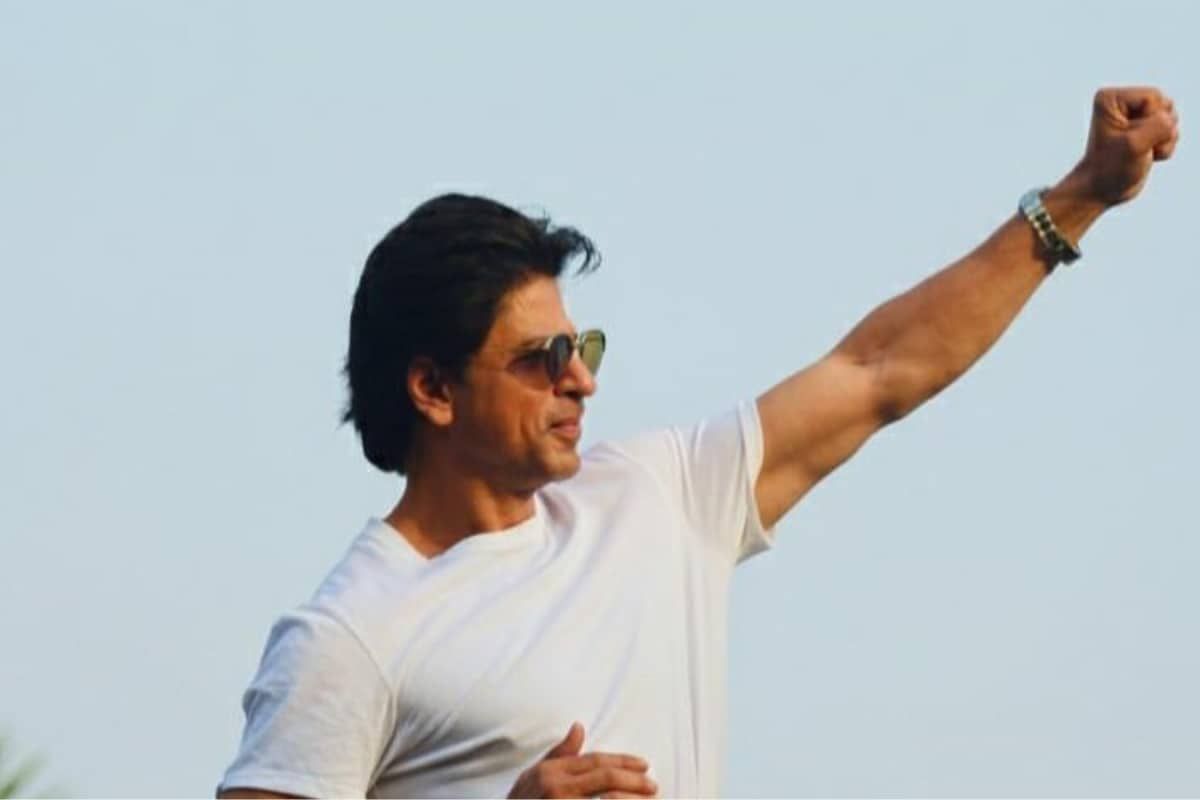

As the internet erupts over Shah Rukh Khan and the Kolkata Knight Riders’ decision to hire a Bangladeshi cricketer for the upcoming IPL season, branding the actor a “traitor”, the trade numbers from the union
ministry of commerce and industry, accessed by News 18, quietly puncture the seemingly manufactured outrage.
Trade, economic, and diplomatic ties between India and Bangladesh were never cut off, even though India imposed some reciprocal restrictions on Bangladesh, including the withdrawal of transhipment facilities and port access. Beyond the hashtags and social media abuses, the facts about trade and business terms between India and Bangladesh reveal a deeply intertwined and profitable relationship, even a year after the ouster of Sheikh Hasina.
Decoding the trade data
According to the export and import data released by the Ministry of Commerce and Industry and updated on January 2, 2026, India’s exports to Bangladesh stood at 11.48 billion US dollars in FY 2025, up from 11.06 billion dollars in FY 2024. This shows a marginal growth of around 3 to 4% despite a year marked by political strain, border tensions, visa-route-port restrictions, and periodic diplomatic unease. According to the ministry data, India exported goods worth around 4 billion US dollars to Bangladesh in 2025-26 as of January 2.
The India Brand Equity Foundation (a trust backed by the commerce ministry) stated in its factsheet that India exported 5,069 commodities to Bangladesh in FY25, ranging from petroleum products, cotton yarn, cereals, machinery, vehicles, pharmaceuticals, to chemicals. In return, India imported around 806 commodities, including ready-made garments, jute products, leather goods, and select agricultural items. The trade balance remains heavily tilted in India’s favour, with no sign of a country “boycotting” its neighbour.
Economics over outrage
Data shows that robust trade continued through moments of visible political discomfort. Issues such as border management, water-sharing disputes, concerns over illegal migration, and domestic political churn in Bangladesh have cast long shadows over bilateral relations. Yet, trade and commerce have marched on, driven by supply chains, geography, and mutual economic interest rather than emotion or online virtue signalling.
Observers point out that this is not an argument for ignoring security or political concerns but a reminder that the Indian state engages Bangladesh through a pragmatic lens, distinguishing between geopolitical caution and economic engagement. This nuance is conspicuously absent in the digital mobs targeting a film star for a cricketing decision made by a franchise operating in a global sports ecosystem.